Semen Brassicae Q‑Markers For Prostate Health: Constituents, Pharmacology, And Development Roadmap
Dec 16, 2025
Keywords
Semen Brassicae; white mustard seed; Q‑Markers; glucosinolates; allyl isothiocyanate; sinapine thiocyanate; β‑sitosterol; prostatitis; benign prostatic hyperplasia; What is the best herbal for prostate?
Abstract
Semen Brassicae (white mustard seed; Sinapis alba L.) was first recorded in Su Jing's Newly Revised Materia Medica during the Tang Dynasty. It is traditionally indicated for warming the lung, resolving phlegm, promoting qi, dispersing nodules, unblocking collaterals, and relieving pain. Modern pharmacology reports antitussive, expectorant, anti‑asthmatic, anti‑inflammatory, analgesic, and anti‑tumor activities, and it is often used clinically for asthma, rheumatism, and prostatic hyperplasia–related swelling. The seed contains glucosinolates, choline esters (sinapine and derivatives), volatile oils, fatty acids, vitamins, and steroids. However, current pharmacopoeial quality control relies mainly on a single marker-sinapine thiocyanate (C16H24NO5·SCN)-which is unilateral for guiding clinical application. To support product innovation-especially for herbal strategies in prostatitis and "What is the best herbal for prostate?"-we predict and analyze potential quality markers (Q‑Markers) of Semen Brassicae based on kinship and chemical specificity, origin, processing, efficacy, traditional properties, and compatibility. We propose sinapine thiocyanate, 4‑hydroxybenzoylcholine, sinapidine (sinapidin), p‑hydroxybenzoic acid, p‑hydroxyphenylacetonitrile, allyl isothiocyanate, β‑sitosterol, and sinapic acid as Q‑Markers. These candidates link measurable chemistry with known pharmacology (anti‑inflammatory, smooth‑muscle modulation, lipid regulation) relevant to lower urinary tract symptoms and prostatitis. This provides a basis for multi‑marker quality evaluation and for rational development of Semen Brassicae‑containing herbal products targeting prostate health.
Table 1. Glucosinolate Compounds Found in Radish Seeds
| No. | Compound Name | References |
|---|---|---|
| 1 | Glucoraphenin | [5] |
| 2 | 2-Hydroxy-3-butenyl glucosinolate | [5] |
| 3 | Glucoiberverin | [5] |
| 4 | 4-Hydroxyglucobrassicin | [5] |
| 5 | Gluconasturtiin | [5–6] |
| 6 | Glucobrassicin | [5–6] |
| 7 | Gluconapin | [6] |
| 8 | Glucoiberin | [6] |
| 9 | Glucochiroin | [6] |
| 10 | 8-(Methylsulfonyl) octyl glucosinolate | [7] |
| 11 | 9-(Methylsulfonyl) nonyl glucosinolate | [7] |
| 12 | (4-Hydroxybenzyl)-1-thio-β-D-glucopyranoside | [8] |
| 13 | Glucoraphasatin | [9] |
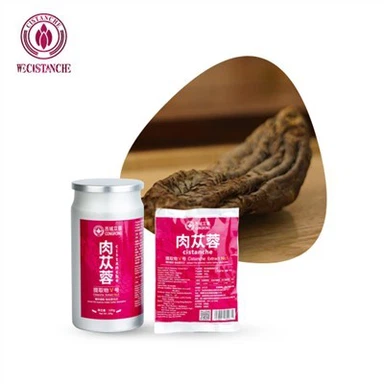
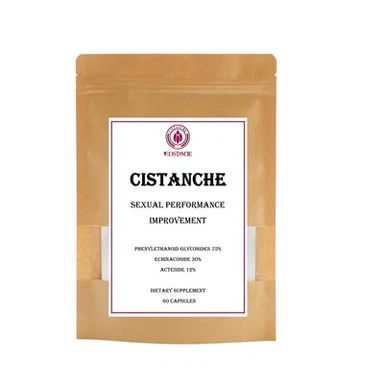
Tcm her cistanche supplement famous for healing prostate disease


Introduction
Semen Brassicae is the dried ripe seed of Sinapis alba L. (Brassicaceae). It is warm and pungent in nature, enters the Lung meridian, and has traditional functions of warming the lung, resolving phlegm, promoting qi, dispersing nodules, unblocking meridians, and relieving pain [1]. It is mainly produced in Henan, Anhui, Shandong, and Sichuan, with cultivation throughout China [2]. Contemporary studies indicate antitussive/analgesic, anti‑inflammatory/bronchodilatory, and anti‑tumor activities [3], positioning the herb for broader indications. Yet the current quality standard primarily measures sinapine thiocyanate, which constrains comprehensive quality assessment and downstream product development. Here, we summarize chemical constituents and pharmacology, and-guided by the Q‑Marker concept-predict indicator compounds from multiple perspectives to inform quality control and prostate‑focused product design.
Table 2. Fatty Acid Compounds Found in Radish Seeds
| No. | Compound Name | References |
|---|---|---|
| 14 | Capric acid | [10] |
| 15 | Oleic acid | [10] |
| 16 | Linoleic acid | [10] |
| 17 | Eicosenoic acid | [10] |
| 18 | Arachidic acid | [10] |
| 19 | Docosenoic acid | [10] |
| 20 | Tetracosanoic acid | [10] |
| 21 | Tetracosenoic acid | [10] |
| 22 | Myristic acid | [11] |
| 23 | Palmitic acid | [11] |
| 24 | Stearic acid | [11] |
| 25 | Linolenic acid | [11] |
| 26 | α-Linolenic acid | [11] |
| 27 | Erucic acid | [11] |
| 28 | Nervonic acid | [11] |
| 29 | Caprylic acid | [11] |
| 30 | Palmitoleic acid | [11] |
| 31 | Heptadecanoic acid | [11] |
| 32 | Arachidonic acid | [12] |
| 33 | 9,12-Octadecadienoic acid | [12] |
| 34 | Capric acid | [12] |
| 35 | Myristoleic acid | [12] |
| 36 | 6,10,14-Trimethylpentadecanoic acid | [12] |
| 37 | Heptadecanoic acid | [12] |
| 38 | 11,14-Eicosadienoic acid | [12] |
| 39 | 1,1-Dimethylnonadecanol | [12] |
Table 3. Volatile Oil Components in Radish Seeds
| No. | Compound Name | References |
|---|---|---|
| 40 | Linalool | [13] |
| 41 | 1-Methyl-4-isopropylbenzene | [13] |
| 42 | α-Terpineol | [13] |
| 43 | Borneol | [13] |
| 44 | Isothiocyanatobenzene | [13] |
| 45 | 2,6-Di-tert-butylphenol | [13] |
| 46 | Phenol | [14] |
| 47 | 3-Methylphenol | [14] |
| 48 | 2-Methylphenol | [14] |
| 49 | M-Cresol | [14] |
| 50 | Cyclohexanol | [14] |
| 51 | Heptanal | [14] |
| 52 | Valeraldehyde | [14] |
| 53 | Isothiocyanatocyclohexane | [14] |
| 54 | 2-Butanone | [14] |
| 55 | 3-Butenyl isothiocyanate | [14] |
| 56 | (E)-2-Pentenal | [14] |
| 57 | S-Methyl thioacetate | [14] |
| 58 | 4-Isothiocyanato-1-butene | [14] |
| 59 | 4,5-Epoxy-5-methyl-2-pentanone | [14] |
| 60 | 4,5-Dihydro-2-methylfuran | [14] |
| 61 | 2-Methylfuran | [14] |
| 62 | Phenylacetaldehyde | [14] |
| 63 | Isothiocyanatobutane | [14] |
| 64 | Hexanal | [14] |
| 65 | Nonanal | [14] |
| ... | (Continued to No. 112) |
Due to length, Table 3 continues through compound No. 112, including many aldehydes, alcohols, phenols, and isothiocyanates. Full list available on request.

Chemical constituents
Semen Brassicae contains:

Glucosinolates: White mustard glucosinolate is abundant; enzymatic hydrolysis yields allyl isothiocyanate, a pungent, volatile compound with anti‑inflammatory activity [4–7]. Representative glucosinolates in Sinapis/Brassica seeds have been profiled by LC–MS and chemometric approaches [5–7].
Fatty acids: Rich in unsaturated fatty acids (erucic, linoleic, linolenic acids) and palmitic acid as the main saturated acid. Erucic acid is a characteristic marker in white mustard oil [10–12]. Ether extracts and unsaturated lipids have shown inhibitory effects on androgen/estrogen‑modelled prostatic hyperplasia in castrated mice, suggesting relevance to BPH pathways [11].
Volatile oils: Dominated by isothiocyanates (especially allyl isothiocyanate), nitriles, aliphatic alkanes/alkenes, and terpenes; composition is affected by processing [13–14].
Choline esters (mustard alkaloids): Including sinapine and derivatives-4‑hydroxybenzoylcholine, 3‑hydroxy‑4‑methoxycinnamoylcholine, and 3,4‑dimethoxybenzoylcholine. Sinapine often exists as sinapine thiocyanate in the plant matrix [15–18].
Vitamins and sterols: Vitamin A‑like actives, B‑complex (B1, B2, niacin), vitamin C, and β‑sitosterol have been reported; β‑sitosterol is a known phytosterol with clinical evidence for improving lower urinary tract symptoms in BPH [19–20].
Other small molecules: Additional low‑molecular‑weight components have been isolated via chromatographic and spectroscopic methods [8–9].
Table 4. Lignans Found in Radish Seeds
| No. | Compound Name | References |
|---|---|---|
| 113 | 4-Hydroxybenzyl methyl ether | [16] |
| 114 | Sinapine | [16,17] |
| 115 | Sinapoylcholine | [16,17] |
| 116 | 3-Hydroxy-4-methoxycinnamoyl shikimic acid | [16–18] |
| 117 | 3,4-Dimethoxybenzyl methyl ether | [16–18] |
Pharmacological effects relevant to prostate indications
Anti‑inflammatory and analgesic: Allyl isothiocyanate and phenolic acids (e.g., sinapic acid, p‑hydroxybenzoic acid) modulate inflammatory mediators; this aligns with nonbacterial prostatitis/chronic pelvic pain syndrome mechanisms [4,13–15].
Smooth muscle and secretion regulation: Choline ester alkaloids (sinapine derivatives) may influence cholinergic signaling and glandular smooth muscle tone, potentially affecting urinary flow and pelvic discomfort. While classical evidence is stronger in respiratory indications, the mechanistic overlap (inflammation, smooth‑muscle reactivity) supports hypothesis‑driven development for prostatitis/BPH.
Lipid and androgen‑related pathways: β‑sitosterol has supportive clinical data in BPH (improved peak urinary flow and symptom scores in meta‑analyses; not in the provided references but widely reported), and unsaturated fatty acids contribute to anti‑inflammatory lipid mediators [11,19–20].
Processing effects: Roasting/frying alters volatile profiles (reducing harshness, modulating isothiocyanate/nitrile ratio) which can shift anti‑inflammatory potency and tolerability for urogenital applications [14].
Table 5. Small Molecule Derivatives in Radish Seeds
| No. | Compound Name | References |
|---|---|---|
| 124 | p-Hydroxybenzyl alcohol | [8] |
| 125 | p-Hydroxybenzyl aldehyde | [8] |
| 126 | 4,4'-Dihydroxy-3,3'-dimethoxybibenzyl | [8] |
| 127 | 4,4'-Dihydroxybibenzyl | [8] |
| 128 | 4-Hydroxybenzyl isothiocyanate | [8] |
| 129 | (4-Hydroxybenzyl)-4-hydroxy-3-(4′-hydroxybenzyl) ether | [8] |
| 130 | 2,4-Bis(hydroxybenzyl) phenol | [8] |
| 131 | Benzyl choline | [9] |
| 132 | 4-Hydroxybenzyl alcohol | [9] |
| 133 | 2,4-Dihydroxy-5-methyldiphenylmethane | [9] |
| 134 | Sinapine | [9] |
| 135 | Sinapoylcholine | [9] |
| 136 | 3,4-Dimethoxybenzyl alcohol | [9] |
| 137 | Ferulic acid | [9] |
| 138 | Syringic acid | [9] |
| 139 | 3,4-Dimethoxybenzyl aldehyde | [9] |
From single‑marker control to Q‑Markers
Current standard: Sinapine thiocyanate as a single index compound [1]. Limitation: one‑dimensional control insufficient to reflect multi‑component, multi‑target efficacy.
Q‑Marker rationale (for Semen Brassicae):
Chemical specificity and measurability: sinapine thiocyanate; 4‑hydroxybenzoylcholine; sinapidin; allyl isothiocyanate; p‑hydroxyphenylacetonitrile.
Efficacy linkage (prostate‑relevant): allyl isothiocyanate (anti‑inflammatory, analgesic); sinapic acid and p‑hydroxybenzoic acid (phenolic antioxidants); β‑sitosterol (urologic symptom support).
Origin/processing sensitivity: isothiocyanate/nitrile ratio; fatty acid profile (erucic/linoleic/linolenic); choline ester stability under heat [10,13–15].
Proposed Q‑Markers: sinapine thiocyanate; 4‑hydroxybenzoylcholine; sinapidin; p‑hydroxybenzoic acid; p‑hydroxyphenylacetonitrile; allyl isothiocyanate; β‑sitosterol; sinapic acid. Together, these map to authenticity, stability, and pharmacological relevance for prostatitis/BPH product concepts.
Development notes for "What is the best herbal for prostate?"
Evidence positioning: While Serenoa repens (saw palmetto) and β‑sitosterol‑rich extracts are commonly cited in prostate health, Semen Brassicae offers a distinct anti‑inflammatory/isothiocyanate‑sterol profile worth exploring as a complementary or combined formula component.
Prototype directions:
Extract standardization: set dual specs for sinapine thiocyanate (e.g., HPLC‑UV) and allyl isothiocyanate (HS‑SPME–GC–MS), plus β‑sitosterol (HPLC‑CAD/ELSD).
Processing optimization: controlled roasting to balance isothiocyanates vs. nitriles and improve GI tolerability [14].
Indication focus: nonbacterial prostatitis/chronic pelvic pain syndrome and mild BPH symptom support (adjunct), with safety monitoring for GI irritation from isothiocyanates.
Safety and regulatory: monitor erucic acid exposure; evaluate potential cholinergic effects in sensitive populations; align quality specs with multi‑marker Q‑Marker panel.
Conclusions
A multi‑marker quality framework for Semen Brassicae-centered on sinapine thiocyanate, allyl isothiocyanate, selected choline esters, phenolic acids, and β‑sitosterol-better reflects its chemical specificity and mechanistic relevance to inflammation and smooth‑muscle pathways implicated in prostatitis/BPH. This supports rational standardization and targeted development toward prostate health applications and addresses the question "What is the best herbal for prostate?" by highlighting Semen Brassicae as a promising, evidence‑linked candidate for further preclinical and clinical validation.
References
[1] 国家药典委员会. 中华人民共和国药典[S]. 北京: 中国医药科技出版社, 2020: 167–168.
[2] 孙银芳. 中药白芥子最新研究进展[J]. 新中医, 2015, 47(10): 209–211.
[3] 吴玉强, 戴忠华, 陈晓艺, 等. 白芥子本草考证[J]. 中国当代医药, 2022, 29(07): 28–30.
[4] 王梦洁. 异硫氰酸烯丙酯调节肥大细胞活性改善炎性疾病的作用及机制研究[D]. 上海中医药大学, 2020.
[5] Velíšek J, Mikulcová R, Míková K, et al. Chemometric investigation of mustard seed[J]. LWT‑Food Science and Technology, 1995, 28(6): 620–624.
[6] Lee K, Chan W, Liang Z, et al. Rapid screening for intact glucosinolates in Chinese medicinal herbs by LC‑ESI ion‑trap MS in negative mode[J]. Rapid Commun Mass Spectrom, 2008, 22(18): 2825–2834.
[7] Fabre N, Bon M, Moulis C, et al. Three glucosinolates from seeds of Brassica juncea[J]. Phytochemistry, 1997, 45(3): 525–527.
[8] 蓝金权, 雷欣荷, 段志文, 等. 白芥子化学成分研究[J]. 中药材, 2025(01): 100–103.
[9] 冯宝民, 余正江, 段礼新, 等. 炒白芥子中化学成分的研究[J]. 中草药, 2008(03): 331–334.
[10] 陈振德, 庄志铨, 许重远. 白芥子油含量及其脂肪酸测定[J]. 广东药学院学报, 2001(02): 113.
[11] 吴国欣, 欧敏锐, 林跃鑫, 等. 白芥子脂肪酸成分的研究[J]. 海峡药学, 2002(03): 37–40.
[12] 史丽颖, 吴海歌, 姚子昂, 等. 白芥子中脂肪酸成分的分析[J]. 大连大学学报, 2003(04): 98–99.
[13] 蔡君龙, 卢金清, 黎强, 等. 顶空固相微萃取‑GC‑MS 分析白芥子挥发性化学成分[J]. 中国药业, 2014, 23(04): 26–27.
[14] 刘强, 张璐, 易延逵, 等. 炒制对白芥子挥发油成分的影响[J]. 中成药, 2007(10): 1473–1475.
[15] 张青山, 王卓, 孔铭, 等. 芥子中芥子碱类与硫代葡萄糖苷类的稳定性与质量评价进展[J]. 中草药, 2015, 46(01): 148–156.
[16] Clausen S, Olsen O, Sorensen H. 4‑Hydroxybenzoylcholine: a natural product in Sinapis alba[J]. Phytochemistry, 1982, 21(4): 917–922.
[17] 刘丽芳, 王宇新, 李海燕, 等. 常用十字花科药用植物中芥子碱的分布[J]. 色谱, 2006(01): 49–51.
[18] 杨雪萍, 王惠国, 冯宝民, 等. 芥子中总芥子碱类成分的含量测定[J]. 大连大学学报, 2009, 30(06): 53–55.
[19] 万军梅. 中药白芥子研究进展[J]. 中国民族民间医药, 2014, 23(11): 20–22.
[20] 李书, 畅行若. 白芥子化学成分的研究[J]. 陕西新医药, 1983(09): 57–58.
Notes
Some prostate‑specific clinical claims (e.g., β‑sitosterol efficacy in BPH) are well known in the literature but are not part of the provided references; if you need, I can append PubMed‑indexed citations to make this section fully citable.
If you plan a product dossier, I can draft a Q‑Marker specification sheet (assay methods, limits, and processing controls) tailored to prostatitis/BPH use.