Metabolomics Insights Into Traditional Chinese Medicine For Functional Constipation — Implications For Herbal Product Development (Focus On Cistanche)
Nov 10, 2026
Story-driven opening - Customer pain points & market insight
Imagine a middle-aged customer, Ms. Li, who has tried fiber supplements, over‑the‑counter laxatives and even prescription pro‑motility agents. She reports temporary relief but worries about long‑term dependence, unpleasant side effects, and relapses. She wants a natural product that supports bowel regularity, addresses underlying causes, and improves vitality without harsh stimulation. For manufacturers and R&D teams in the herbal and nutraceutical space - especially producers of Cistanche (Cistanche deserticola) - Ms. Li's case highlights three urgent market pain points:

Efficacy with sustainability: consumers want products that relieve constipation without causing dependence or rebound symptoms.
Mechanism-backed claims: regulators and discerning buyers expect plausible biological mechanisms (microbiome modulation, metabolite restoration) rather than anecdote alone.
Differentiation and positioning: brands need evidence-based, targeted formulations (e.g., for elderly slow‑transit constipation, or constipation linked to metabolic imbalance) with clear biomarkers to support marketing and clinical substantiation.
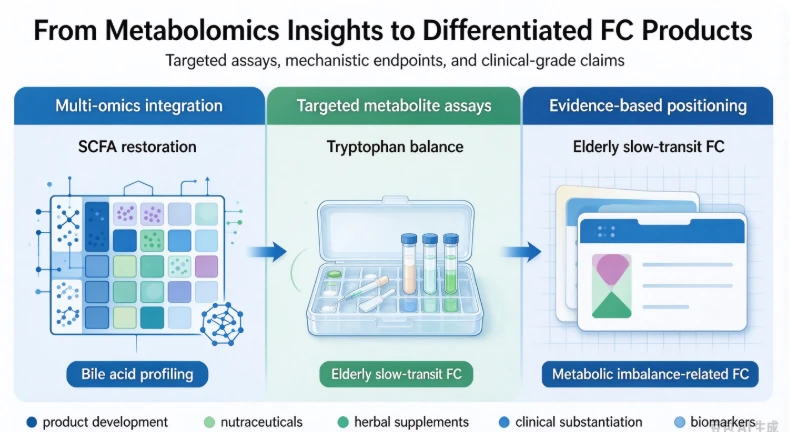
This review of metabolomics research on Traditional Chinese Medicine (TCM) interventions for functional constipation (FC) provides actionable insights: it identifies disturbed metabolic pathways (tryptophan metabolism, short‑chain fatty acid production, carbohydrate and bile acid metabolism), links specific TCM formulas and herbs (including Cistanche polysaccharides) to corrective metabolic effects, and suggests R&D strategies - multi‑omics integration, targeted metabolite assays, and product claims built on measurable endpoints - that an herbal manufacturer can adopt to create differentiated, mechanism‑driven constipation care products.
Keywords (SEO): functional constipation, metabolomics, Traditional Chinese Medicine, Cistanche, short‑chain fatty acids, tryptophan metabolism, bile acid, herbal product development
Herb Cistanche Supplements
Click The Picture To Visit The Cistanche supplement for FC
Supportive Service Of Wecistanche-The largest cistanche exporter in the China:
Email:wallence.suen@wecistanche.com
Abstract
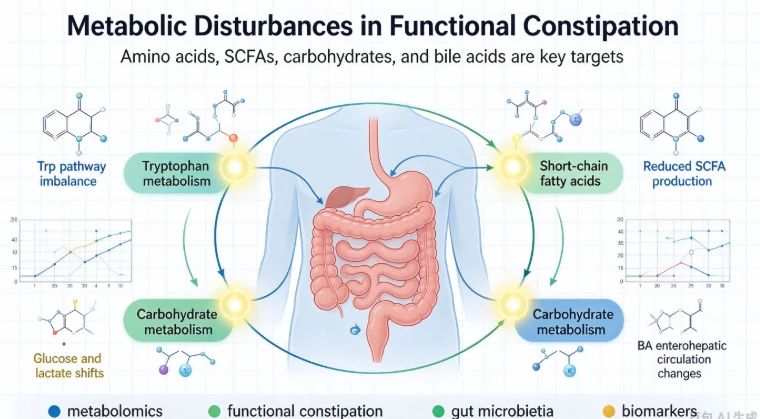
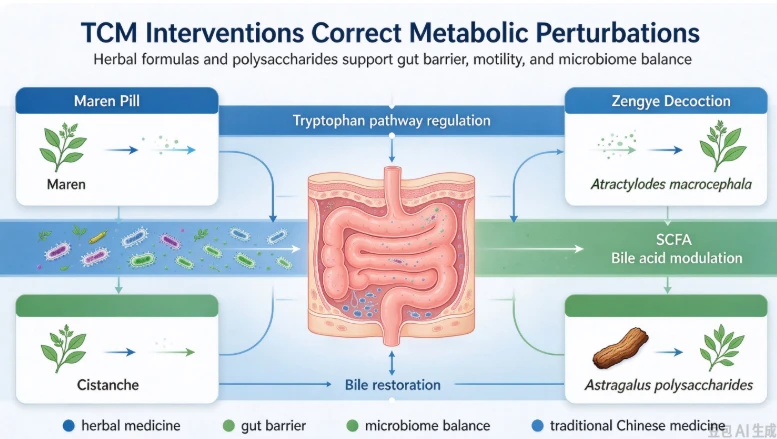
Functional constipation (FC) is a common functional gastrointestinal disorder with prevalence between 10.1% and 15.3%, severely affecting patients' quality of life. Traditional Chinese Medicine (TCM) treatments for FC offer individualized prescriptions, stable efficacy, and low relapse rates, but their mechanisms remain incompletely elucidated. Metabolomics - primarily using liquid chromatography–mass spectrometry (LC‑MS), gas chromatography–mass spectrometry (GC‑MS), and nuclear magnetic resonance (NMR) - detects changes in small‑molecule metabolites in urine, feces, and blood, providing an effective approach to clarify the mechanisms of TCM in FC. This review summarizes metabolomics applications in TCM treatments for FC, finding that FC pathogenesis is closely associated with disturbances in multiple pathways including amino acid metabolism (notably tryptophan), short‑chain fatty acid (SCFA) metabolism, carbohydrate metabolism and bile acid metabolism. TCM interventions such as Maren Pill (Maren Wan), Zengye Decoction (Zengye Tang), Atractylodes macrocephala (Bai Zhu), Cistanche (Rou Cong Rong) and astragalus polysaccharides, as well as acupuncture, can correct these metabolic disturbances, protect the intestinal mucosal barrier, and restore microbiome balance to improve constipation symptoms. Despite progress, limitations include insufficient metabolomics studies aligned with TCM syndrome differentiation, scarce acupuncture and combined therapy metabolomics research, and lack of standardization in metabolite detection. Future work should integrate multi‑omics and machine learning to deepen understanding of metabolic signatures across TCM syndromes and reveal metabolic mechanisms of TCM treatment for FC.
Introduction: clinical importance of FC
Functional constipation (FC) is a functional gastrointestinal disease without clear organic lesions, clinically characterized by hard stools, decreased defecation frequency, and often accompanied by bloating and abdominal pain [1]. Children may present fecal incontinence, while adults can experience anorectal obstruction or a sense of blockage requiring manual maneuvers to assist defecation [2]. According to Rome criteria, FC prevalence ranges from 10.1%–15.3%, with higher rates in females [3]. FC seriously impacts quality of life and mental health and may be associated with an increased risk of Parkinson's disease [4]. Western medicine commonly uses osmotic laxatives, stimulant laxatives and prosecretory agents; these can relieve symptoms short term but may cause dependence, high relapse and adverse effects over long‑term use, and rare complications such as melanosis coli [5–7]. TCM shows advantages of individualized therapy, symptom relief, reduced relapse and lower dependence, improving patient quality of life [8]. However, complex herbal constituents challenge sensitivity of traditional efficacy evaluation and obscure mechanisms. Metabolomics can track metabolite changes before and after treatment to elucidate mechanisms. This review integrates recent metabolomics studies on TCM treatment of FC, summarizes major metabolic pathways corrected by TCM, and provides reference for future studies.

Metabolomics overview
Metabolomics aims to identify small‑molecule metabolites (typically <1500 Da) including carbohydrates, lipids, amino acids, nucleotides and fatty acids [11]. Common sample types: serum, plasma, cerebrospinal fluid, saliva, feces, sweat, tears, urine, breast milk and vaginal secretions [12]. Advanced analytical platforms allow detection, quantification and characterization of metabolites involved in synthesis, transformation and degradation. Metabolites are downstream products of gene expression and protein activity, acting as a bridge between genotype and environment and reflecting phenotype directly [13]. As signaling molecules and cofactors, metabolites participate in energy production/storage and regulatory processes [14]. Metabolomics has advantages in biomarker discovery, disease diagnosis/treatment and elucidation of metabolic regulation, inferring disease mechanisms and identifying therapeutic targets [15].
Primary analytical platforms: LC‑MS, GC‑MS and NMR [16]. Chromatography–mass spectrometry allows reproducible, high‑sensitivity analysis of hundreds to thousands of metabolites. Different chromatographic methods differ in coverage (polar, nonpolar, volatile), so LC or GC conditions may detect specific metabolites better. Ultra‑high performance LC‑MS (UPLC‑MS) offers high sensitivity and resolution [17]; GC‑MS excels for volatile and semi‑volatile compounds [18]. Because disease often involves coordinated changes among many metabolites, combined LC‑MS and GC‑MS provide broad coverage for untargeted screens and phenotype‑defining markers [19]. NMR quantifies sugars, organic acids, alcohols and polyols without derivatization and enables real‑time analysis; NMR (1H, 13C, 15N, 31P) offers unlabelled atomic‑level structural information [20].
Metabolomics strategies: targeted (sensitive quantification of specified metabolites) and untargeted (global metabolic profiling to reveal functional changes) [21].
Applications of metabolomics in FC
Metabolomics detects metabolite differences in various biofluids to infer altered metabolic pathways and those corrected by interventions [22]. Urine, feces and blood are most commonly used in clinical and animal FC studies.
3.1 Urine
Urine metabolomics is widely used for FC due to noninvasive collection and reflection of systemic metabolism. Studies cover biomarker discovery, intervention evaluation and drug metabolite identification. Chojnacki et al. used LC‑MS/MS to measure urinary homovanillic acid (HVA), 5‑HIAA, para‑hydroxyphenylacetic acid and sulfated indoxyl, markers of dopamine, serotonin and indole pathways, finding elevated HVA and decreased 5‑HIAA in FC patients, indicating disrupted dopamine and serotonin balance [23]. Liu et al. used 1H NMR on animal urine and identified 12 metabolites associated with Zengye Decoction; compared to model, Zengye raised 2‑hydroxyisobutyrate, formate, β‑glucose, cysteine, glutamate, glycine, taurine, benzoate and acetate, while lowering succinate, malonate and creatinine-suggesting metabolic restoration [24]. Gu et al. identified a deglycosylated azithromycin metabolite in rat urine, providing data for novel laxative development [25].
3.2 Feces
Fecal metabolomics assesses gut microbiota effects and reflects intestinal pathological state. Wang et al. identified 28 fecal metabolites associated with FC, with disturbances in carbohydrate, amino acid and SCFA metabolism [26]. Chen et al. found reduced fecal acetate and propionate in FC, with levels negatively correlated with constipation severity [27]. Fan et al. observed differences in bile acids and lipids - including taurocholic acid, taurodeoxycholic acid, taurine, deoxycholic acid, cholic acid and arachidonic acid derivatives - linking BA metabolism to gut microbiome and fecal metabolite alterations in slow‑transit constipation [28].
3.3 Blood
Serum metabolomics reflects systemic metabolic changes and is key for biomarker discovery and efficacy evaluation. Kim et al. reported reductions in alanine, glutamate, glutamine and glycine, and decreases in acetate, glucose, glycerol, lactate, succinate and taurine in loperamide‑induced constipated rats [29]. Zhao et al. found elevated serotonin and 5‑hydroxyindoleacetic acid in early FC mouse serum using untargeted metabolomics [30]. Yang et al. showed phenylalanine remodels gut microbiota and metabolites to improve FC symptoms [31]. Luo et al. demonstrated rifaximin restores serum metabolic disturbances in loperamide‑induced rats, affecting BA and steroid metabolism [32].
TCM correction of metabolic dysregulation in FC
4.1 Amino acid metabolism (focus on tryptophan)
Amino acid metabolism supports protein synthesis, provides nutrients to intestinal cells, promotes mucus secretion, repairs mucosa and regulates barrier and immune functions. Tryptophan (Trp) - the only indole‑containing essential amino acid - activates epithelial G‑protein coupled receptors to promote colonic secretion [33,34]. Trp metabolism includes kynurenine, serotonin and indole pathways; indoles and derivatives modulate the gut barrier and microbiota [35].
Qin et al. using UPLC‑Q‑TOF‑MS found Atractylodes macrocephala (Bai Zhu) reverses five abnormal Trp metabolites (4,6‑dihydroxyquinoline, indole‑4,8‑dihydroxyquinoline, 5‑HT and kynurenine) in loperamide‑induced constipated rats, and modulates expression of rate‑limiting Trp metabolic enzymes (Trp hydroxylase, monoamine oxidase, indoleamine 2,3‑dioxygenase) in colon-suggesting Bai Zhu may improve FC via Trp metabolism regulation [36]. Wang et al. reported electroacupuncture increased fecal levels of 5‑hydroxykynurenine, 5‑hydroxyindoleacetic acid derivatives and indole derivatives; antibiotic pretreatment abolished this effect, indicating EA acts via microbiota–Trp metabolism interactions [37]. NMR analysis showed Ophiopogon japonicus (Mai Dong) extracts restored 15 endogenous metabolites (including seven amino acids) and colonic pathology in FC rats, implying potential biomarkers for Mai Dong therapy. Dahuang (Rhei radix) may modulate branched‑chain amino acid metabolism to improve constipation [38]. Other formulas (e.g., Kuaichong Yin) also affect amino acid metabolism and shorten defecation time [39].
4.2 SCFA metabolism
SCFAs influence gut motility, transit time, mucus secretion and gut–brain axis signaling; mainly produced by Firmicutes and Bacteroidetes during carbohydrate fermentation and can stimulate 5‑HT release. Butyrate maintains epithelial integrity and reduces inflammation; SCFA abnormalities can damage enteric nervous system and cause FC [40,41]. Hempseed oil increased acetate and butyrate in the cecum and improved constipation in rats [42]. Astragaloside IV increased fecal butyrate and mitigated slow‑transit constipation by modulating microbiota [43]. Maren Pill elevated colonic SCFAs, improved mucosal barrier and microbiota, increasing luminal fluid and motility [44]. Electroacupuncture restored Firmicutes/Bacteroidetes ratio and boosted butyrate production [45]. Acupuncture at specific sacral points increased fecal acetate and butyrate with symptom improvement [46]. Atractylodes (Bai Zhu) increased fecal SCFAs and tight junction protein expression, suggesting barrier enhancement [47]. Zhishi (Citrus) formulas, modified Huangqi Tang and other herbs (cinnamic acid, atractylenolide I) act partly via SCFA modulation [48–53].
4.3 Carbohydrate metabolism
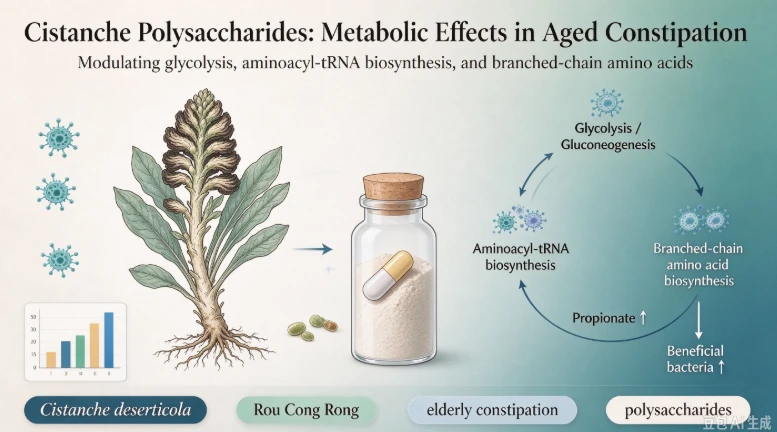
Carbohydrate pathways - fructose and mannose metabolism, pyruvate metabolism, pentose phosphate pathway - interconnect with glycolysis, TCA and amino acid synthesis. In aged FC rats, elevated fructose and mannose metabolism suggest accelerated conversion of carbohydrates; changes include glucose depletion and lactate accumulation. Cistanche polysaccharides correct dysregulated glycolysis/gluconeogenesis, aminoacyl‑tRNA biosynthesis, and branched amino acid biosynthesis; they lowered butyrate, acetate, glucose and alpha‑xylose while increasing isoleucine, methionine and propionate. Cistanche polysaccharides also raised beneficial gut bacteria and reduced pathogens, improved immunity, and alleviated constipation and aging phenotypes in elderly rats, indicating potential as a new therapeutic agent for elderly constipation [54,55]. Astragalus polysaccharides similarly modulated glycolysis/ gluconeogenesis and pyruvate metabolism, improving constipation and cognitive deficits in aged models [54]. Dahuang‑Fuzi combinations modulate amino acid and carbohydrate metabolism and protect the mucosal barrier [57].
4.4 Bile acid metabolism
Bile acids (BAs) synthesized in liver and metabolized by gut microbiota regulate digestion and maintain metabolic homeostasis. Primary BAs (cholic acid, chenodeoxycholic acid) are conjugated with glycine or taurine and undergo enterohepatic circulation. BAs influence glucose, lipid and energy balance [58,59]. Cistanche total alditols increased expression of CYP8B1, FGF15, TGR5 and FXR to modulate BA synthesis and enterohepatic cycling, improving FC [60]. Shouhui Tongbian Capsule regulated BA metabolism to adjust serum and fecal bile acids and restore gut function [61]. Different TCM formulations may oppositely affect BA reabsorption and 5‑HT release; for example, Shang‑Er‑Huang formula inhibited ileal BA reabsorption and improved motility via 5‑HT [62]. Areca nut (and its processing) also affects primary BA biosynthesis and gut transit [63].
4.5 Other pathways
Buzhong Yiqi Decoction reversed 17 aberrant metabolites and regulated arachidonic acid metabolism, downregulated COX‑2 expression, reduced proinflammatory PGE2, inhibited NF‑κB phosphorylation, lowered IL‑1β and TNF‑α in colon, and increased serum myo‑inositol, motilin and gastrin to promote GI motility [64]. Shouhui Tongbian Capsule also regulates galactose and purine/pyrimidine metabolism [65]. Hu Huang Lian modulates glutathione, purine and pyrimidine metabolism [66]. Jichuan Decoction affects taurine and hypotaurine metabolism and AKT signaling, suppresses enteric glial cell apoptosis, increases acetylcholine levels, reduces intestinal inflammation and improves motility in slow‑transit constipation [67].
Conclusions and perspectives
Multiple studies converge to show FC involves disturbances in amino acid metabolism, SCFA metabolism, carbohydrate metabolism and BA metabolism. TCM can correct these metabolic perturbations, protect the mucosal barrier, restore physiological function and microbiome balance. Metabolomics provides molecular‑level evidence to clarify TCM mechanisms and supports TCM modernization [68].
However, current metabolomics research in TCM for FC faces limitations: (1) TCM emphasizes syndrome differentiation (bianzheng lunzhi) to tailor individualized treatments, yet most metabolomics studies do not align medication choices with syndrome types; few focus on different TCM syndromes beyond yang‑deficiency. Future studies should investigate metabolic signatures across TCM syndromes; (2) metabolomics research on acupuncture is limited and largely focused on single therapies; combined acupuncture‑herbal therapy studies are lacking despite potential synergy; (3) metabolite complexity and dynamics create challenges for simultaneous identification and reliable quantification. Sampling and analytical variability produce significant differences. Future work should target accurate sensitive metabolites and validate findings in vivo and in vitro, leveraging machine learning and deep learning and integrating multi‑omics to enhance detection coverage of low‑abundance metabolites and reveal metabolic reprogramming in disease.
References
[1] 关淑婷,张云鹏,季德江,等.冶尕西运用" 醒神调腑"针法治疗 功能 性 便秘 经 验 [J].河南 中医,2025,45(9):1307-1311.
[2] Lacy BE, Mearin F, Chang L, et al. Bowel disorders [J]. Gastroenterology, 2016, 150(6):1393-1407, e5.
[3] Barberio B, Judge C, Savarino EV, et al. Global prevalence of functional constipation according to the Rome criteria: a systematic review and meta‑analysis [J]. Lancet Gastroenterol Hepatol, 2021, 6(8):638-648.
[4] Bloem BR, Okun MS, Klein C. Parkinson's disease [J]. Lancet, 2021, 397(10291):2284-2303.
[5] Chang L, Chey WD, Imdad A, et al. American gastroenterological association‑American college of gastroenterology clinical practice guideline: pharmacological management of chronic idiopathic constipation [J]. Gastroenterology, 2023, 164(7):1086-1106.
[6] Feng JT, Zheng N, Fan XT, et al. Association of laxatives use with incident dementia and modifying effect of genetic susceptibility: a population‑based cohort study with propensity score matching [J]. BMC Geriatr, 2023, 23(1):122.
[7] 王扬鹏,彭卓嵛,李桂贤.李桂贤教授以健脾润肠法治疗功能性便秘经验[J].广西中医药,2025,48(6):5-7.
[8] 马莉,杨会举.雷火灸联合麻子仁丸治疗便秘临床观察[J].河南中医,2025,45(11):1762-1766.
[9] 张晓雨,陈笑吟,肖文洁,等.中医药调节肠道微生态治疗功能性便秘研究进展[J].辽宁中医药大学学报,2026,28(5):215-220.
[10] 高雪婷,苏洁,张月.腹部拨筋结合八卦推拿对结直肠腺瘤患者便秘及炎症指标的影响[J].河南中医,2025,45(5):767-771.
[11] 徐杨,何芷绮,刘晓凤,等.代谢组学在中药复方制剂领域的研究进展及面临的挑战[J].中草药,2024,55(4):1354-1364.
[12] 陈佳俊,周玉枝,秦雪梅.代谢组学技术在生物医药领域研究中的创新与应用 [J].药学学报,2023,58(8):2271-2282.
[13] Qiu S, Cai Y, Yao H, et al. Small molecule metabolites: discovery of biomarkers and therapeutic targets [J]. Signal Transduct Target Ther, 2023, 8:132.
[14] Li W, Hang SY, Fang Y, et al. A bacterial bile acid metabolite modulates Treg activity through the nuclear hormone receptor NR4A1 [J]. Cell Host Microbe, 2021, 29(9):1366‑1377.e9.
[15] Lim SA, Wei J, Nguyen TM, et al. Lipid signalling enforces functional specialization of Treg cells in tumours [J]. Nature, 2021, 591(7849):306‑311.
[16] 崔芙岩,杨佳颖,王志刚,等.代谢组学在中医药领域的应用与展望 [J]. 中草药,2022,53(14):4512-4526.
[17] 吕燕慧,谢磊,陈威,等.代谢组学在中医证候中的应用进展[J].中国中药杂志,2022,47(2):367-375.
[18] 陶静雨,闫玉鑫.GC‑MS技术的应用研究进展 [J].云南化工,2022,49(3):1-3.
[19] Zeki OC, Eylem CC, Recber T, et al. Integration of GC‑MS and LC‑MS for untargeted metabolomics profiling [J]. J Pharm Biomed Anal, 2020, 190:113509.
[20] Emwas AH, Roy R, McKay RT, et al. NMR spectroscopy for metabolomics research [J]. Metabolites, 2019, 9(7):123.
[21] Bauermeister A, Mannochio‑Russo H, Costa‑Lotufo LV, et al. Mass spectrometry‑based metabolomics in microbiome investigations [J]. Nat Rev Microbiol, 2022, 20(3):143-160.
[22] 刘双晶,李建朋,王彦志,等.基于代谢组学的川牛膝治疗膝骨关节炎的作用机制研究 [J].中国中药杂志,2022,47(22):6199-6206.
[23] Chojnacki J, Popławski T, Kaczka A, et al. Assessment of urinary dopamine and serotonin metabolites in relation to dysbiosis indicators in patients with functional constipation [J]. Nutrients, 2024, 16(17):2981.
[24] Liu DL, Lin L, Lin YX, et al. Zengye decoction induces alterations to metabolically active gut microbiota in aged constipated rats [J]. Biomedicine Pharmacother, 2019, 109:1361-1371.
[25] Gu XT, Li XH, Tian WX, et al. The in vivo metabolic pathway of Deg‑AZM and in vitro investigations into the contribution of drug metabolizing enzymes and drug transporters in the drug interactions of Deg‑AZM, a clinical‑stage new transgelin agonist [J]. Front Pharmacol, 2024, 15:1510903.
[26] Wang HM, Zhao D, Wang SY, et al. Gastrointestinal characteristics of constipation from the perspectives of microbiome and metabolome [J]. Dig Dis Sci, 2024, 69(4):1318-1335.
[27] Chen Q, Chen D, Gao XY, et al. Association between fecal short‑chain fatty acid levels and constipation severity in subjects with slow transit constipation [J]. Eur J Gastroenterol Hepatol, 2024, 36(4):394-403.
[28] Fan YD, Xu C, Xie LL, et al. Abnormal bile acid metabolism is an important feature of gut microbiota and fecal metabolites in patients with slow transit constipation [J]. Front Cell Infect Microbiol, 2022, 12:956528.
[29] Kim JE, Lee YJ, Kwak MH, et al. Metabolomics approach to serum biomarker for loperamide‑induced constipation in SD rats [J]. Lab Anim Res, 2014, 30(1):35-43.
[30] Zhao PF, Meng XR, Sun M, et al. Integrated metabolic profiles and microbial communities to reveal the beneficial effect of red pitaya on early constipation [J]. Food Funct, 2024, 15(10):5414-5428.
[31] Yang CL, Bai XS, Hu TJ, et al. Integrated metagenomics and targeted‑metabolomics analysis of the effects of phenylalanine on loperamide‑induced constipation in rats [J]. Front Microbiol, 2022, 13:1018008.
[32] Luo M, Xie PW, Deng XH, et al. Rifaximin ameliorates loperamide‑induced constipation in rats through the regulation of gut microbiota and serum metabolites [J]. Nutrients, 2023, 15(21):4502.
[33] 巩家慧,孔令斌,张帆.肠道微生物介导的色氨酸代谢与肠粘膜屏障研究进展 [J].中国病原生物学杂志,2023,18(9):1110-1113.
[34] Bhattarai Y, Williams BB, Battaglioli EJ, et al. Gut microbiota‑produced tryptamine activates an epithelial G‑protein‑coupled receptor to increase colonic secretion [J]. Cell Host Microbe, 2018, 23(6):775-785.e5.
[35] Zhou Y, Chen Y, He H, et al. The role of the indoles in microbiota‑gut‑brain axis and potential therapeutic targets: a focus on human neurological and neuropsychiatric diseases [J]. Neuropharmacology, 2023, 239:109690.
[36] Qin LL, Yu M, Yang P, et al. The rhizomes of Atractylodes macrocephala relieve loperamide‑induced constipation in rats by regulation of tryptophan metabolism [J]. J Ethnopharmacol, 2024, 322:117637.
[37] Wang L, Xi MH, Cao W, et al. Electroacupuncture alleviates functional constipation by upregulating host‑derived miR‑205‑5p to modulate gut microbiota and tryptophan metabolism [J]. Front Microbiol, 2025, 16:1517018.
[38] 牛明,章从恩,伍珊娜,等.基于生物靶标网络的中药"一药多效"评价与精准用药[J].世界科学技术--中医药现代化,2017,19(1):44-49.
[39] 于小聪,刘沈林,王泽琨,等.基于代谢组学探讨快松饮防治便秘的作用机制 [J]. 中国药房,2023,34(17):2121-2127.
[40] 杨艳青,李灿委,杨自忠,等.肠道菌群代谢物:短链脂肪酸的研究进展 [J]. 实用医学杂志,2022,38(14):1834-1837.
[41] Wang L, Lv WQ, Yang JT, et al. Enteric nervous system damage caused by abnormal intestinal butyrate metabolism may lead to functional constipation [J]. Front Microbiol, 2023, 14:1117905.
[42] 李寒冰,吴宿慧,李根林,等.火麻仁油对便秘大鼠肠道微生态的改善作用[J].中华中医药学刊,2018,36(8):1878-1881.
[43] He QL, Han CP, Huang L, et al. Astragaloside IV alleviates mouse slow‑transit constipation by modulating gut microbiota profile and promoting butyric acid generation [J]. J Cell Mol Med, 2020, 24(16):9349-9361.
[44] Zhan Y, Wen Y, Du LJ, et al. Effects of Maren pills on the intestinal microflora and short‑chain fatty acid profile in drug‑induced slow‑transit constipation model rats [J]. Front Pharmacol, 2022, 13:804723.
[45] Xu MM, Guo Y, Chen Y, et al. Electro‑acupuncture promotes gut motility and alleviates functional constipation by regulating gut microbiota and increasing butyric acid generation in mice [J]. J Integr Med, 2023, 21(4):397-406.
[46] 马嘉泽,陈鹏,张加敏,等.电针"中髎""下髎"对慢传输型便秘大鼠结肠5‑羟色胺信号系统及粪便短链脂肪酸的影响[J].针刺研究,2022,47(12):1101-1106,1112.
[47] 尹康,陈科力,刘焱文,等.白术对慢传输型便秘小鼠短链脂肪酸和肠道屏障的影响[J].中国实验方剂学杂志,2024,30(6):66-74.
[48] 施敏,夏旭婷,廖陈敏,等.基于肠道菌群研究枳术丸治疗脾虚证慢传输型便秘的作用机制[J].中国微生态学杂志,2023,35(3):249-256.
[49] 刘启鸿,骆云丰,柯晓,等.理气通便方对气滞证慢传输型便秘大鼠肠道动力及肠道菌群的影响[J].中国中西医结合消化杂志,2023,31(11):847-854.
[50] 李吉磊,王瑞昕,赵鲁卿,等.厚朴排气合剂对便秘大鼠肠道分泌功能及肠道菌群的影响[J].中国中西医结合消化杂志,2023,31(6):439-444,450.
[51] 虎敏洁.加味黄芪汤治疗气虚型慢性便秘及其对肠道菌群,短链脂肪酸,5‑HT影响的研究[D].兰州:甘肃中医药大学,2022.
[52] Jiang JG, Luo Q, Li SS, et al. Cinnamic acid regulates the intestinal microbiome and short‑chain fatty acids to treat slow‑transit constipation [J]. World J Gastrointest Pharmacol Ther, 2023, 14(2):4-21.
[53] 李晓宇.白术内酯Ⅰ调节肠道菌群改善大鼠慢传输型便秘的实验研究[D].青岛:青岛大学,2022.
[54] Liu XJ, Li MY, Jian C, et al. Astragalus polysaccharide alleviates constipation in the elderly via modification of gut microbiota and fecal metabolism [J]. Rejuvenation Res, 2022, 25(6):275-290.
[55] Liu XJ, Jian C, Li MY, et al. Microbiome‑metabolomics decipher the effects of Cistanche deserticola polysaccharides on aged constipated rats [J]. Food Funct, 2022, 13(7):3993-4008.
[56] Li YH, Wang J, Elzo MA, et al. Multi‑omics analysis of key microRNA‑mRNA metabolic regulatory networks in skeletal muscle of ob… [J]. Int J Mol Sci, 2021, 22(8):4204.
[57] 张悦,程苇钇,何莉,等.基于代谢组学探讨大黄‑附子药对治疗阳虚便秘模型大鼠的配伍机制[J].浙江中西医结合杂志,2024,34(10):897-904.
[58] Lefort C, Cani PD. The liver under the spotlight: bile acids and oxysterols as pivotal actors controlling metabolism [J]. Cells, 2021, 10(2):400.
[59] Devos WM, Tilg H, Van HM, et al. Gut microbiome and health: mechanistic insights [J]. Gut, 2022, 71(5):1020-1032.
[60] Yin HM, Gao X, Yang H, et al. Total alditols from Cistanche deserticola attenuate functional constipation by regulating bile acid metabolism [J]. J Ethnopharmacol, 2024, 320:117420.
[61] Zhang N, Guo D, Guo N, et al. Integration of UPLC‑MS/MS‑based metabolomics and desorption electrospray ionization‑mass spectrometry imaging reveal that Shouhui Tongbian Capsule alleviates slow‑transit constipation by regulating bile acid metabolism [J]. J Chromatogr B Analyt Technol Biomed Life Sci, 2024, 1247:124331.
[62] 曾耀莹,都广礼.上二黄丸通过调节胆汁酸代谢促进功能性便秘大鼠肠动力的配伍机制[J].中国实验方剂学杂志,2025,31(6):1-8.
[63] Wang LS, Wu JX, Zhang F, et al. Correction: Metabolomics and gut microbiota analysis reveal the differential efficacy of Arecanut and charred Arecanut in treating constipation [J]. Front Nutr, 2025, 12:1713576.
[64] Ju WJ, Zhao ZK, Chen SL, et al. Buzhongyiqi decoction protects against loperamide‑induced constipation by regulating the arachidonic acid pathway in rats [J]. Front Pharmacol, 2020, 11:423.
[65] 孙成宏,李翔子,肖贺,等.基于 UPLC‑ESI‑QE‑Orbitrap‑MS技术的首荟通便胶囊干预慢传输型便秘的代谢组学研究[J].中国中药杂志,2021,46(3):532-538.
[66] 胡钰,尤焱南,赵霞,等.基于 16SrDNA和 GC‑MS技术研究胡黄连治疗便秘小鼠的作用机制[J].中国中药杂志,2022,47(13):3569-3580.
[67] Wang XM, Lv LX, Qin YS, et al. Ji‑Chuan decoction ameliorates slow‑transit constipation via regulation of intestinal glial cell apoptosis [J]. World J Gastroenterol, 2022, 28(34):5007-5022.
[68] 刘慧敏,张悦,王佳艺,等.代谢组学前沿技术进展及在中药现代研究中的应用[J].中草药,2024,55(3):969-977.
[69] 中国中西医结合学会消化系统疾病专业委员会,李岩,王垂杰,等.功能性消化不良中西医结合诊疗专家共识(2025 年)[J]. 中国中西医结合消化杂志,2025,33(11):1004-1015.
[70] Andresen C, Boch T, Gegner HM, et al. Comparison of extraction methods for intracellular metabolomics of human tissues [J]. Front Mol Biosci, 2022, 9:932261.