Serum Uric Acid And Recurrent Gout Attacks
Feb 27, 2024
Serum uric acid and its relationship with gout attacks
Gout is a chronic disease that remains underappreciated and poorly understood. Although gout is more common than rheumatoid arthritis and lupus, gout has traditionally lagged behind other diseases in research and quality of care. Furthermore, poor clinical management of gout is associated with increased morbidity and mortality from cardiovascular disease, chronic kidney disease, and metabolic syndrome. These associations have been described as part of a comorbidity cluster that requires treatment optimization.

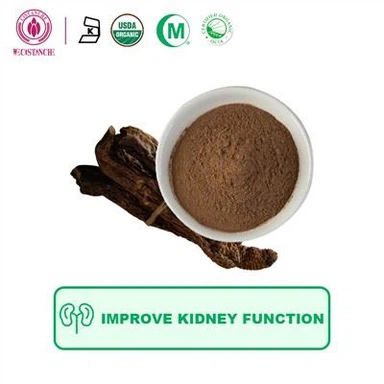
Click to Cistanche for kidney disease
Severe painful attacks of inflammatory arthritis, known as gouty attacks, are the main clinical manifestations of the disease, and a reduction in their frequency and intensity is most important to patients. Serum uric acid levels above the saturation point (6.8 mg/dL at 37°C, defined as hyperuricemia) and deposition of monosodium urate crystals in joints and periarticular tissues lead to activation of the innate immune system and acute arthritis of gout feature.
Since the role of the uric acid molecule in the pathogenesis of gout has been recognized, a correlation between circulating serum uric acid levels and the clinical manifestations of gout has been hypothesized. However, there is little evidence to support this hypothesis. When clinical guidelines for gout treatment were updated, the issue became more controversial and contradicted major rheumatology recommendations, which still recommend treatment based on the use of urate-lowering medications to achieve specific serum uric acid targets. Although serum uric acid has been used for this purpose in rheumatology practice for decades, since the inception of gout-related guidelines, interest has increased regarding the value of serum uric acid as a biomarker of gout severity and treatment response. Therefore, evidence on optimal strategies for secondary prevention of clinical manifestations of gout needs to be prioritized.
In this issue of JAMA, McCormick et al. used data from the British Biobank to study the association between baseline serum uric acid levels and the risk of subsequent attacks in 3,613 gout patients who were followed for an average of 8.3 years. The primary analysis used reference serum uric acid categories below 6 mg/dL (the treat-to-target threshold recommended by most treatment guidelines) and studied patients with reference values up to 10 mg/dL or higher for every 1.0 mg/ dL category-related gout attack rate.

The results showed that all categories above 6 mg/dL were associated with significantly increased gout attack rates, ranging from 3.37 in the 6.0 to 6.9 mg/dL category to 11.42 in the 10 mg/dL or higher category. When the serum uric acid reference category used was less than 5.0 mg/dL, when a resultant gout attack resulted in hospitalization, or when a baseline uric acid measurement was obtained, the follow-up period for attack rates was shorter (within 1 year) or longer (2, 5 or 10 years), these increasing rate associations did not change significantly.
Although strong and consistent associations were found, the study had some important limitations.
This was due to the lack of ethnic diversity (99% of subjects self-reported as white), the low mean serum uric acid level of included UK Biobank subjects (6.9 mg/dL), and the low prevalence of medical comorbidities (e.g., only 6.4% of subjects had chronic kidney disease stage ≥3), making this subject sample poorly representative of the most common gout population.
The authors were unable to use classification criteria to define their gout cases and relied instead on diagnostic codes. Although this is a strategy most gout studies will employ administrative data. Experienced clinicians are familiar with the common misdiagnoses of gout. Common "differential diagnoses" include calcium pyrophosphate arthropathy, psoriatic arthritis, osteoarthritis with inflammatory features, and hyperuricemia with musculoskeletal pain.
The determination of serum uric acid exposure is based on a single measurement, which can be affected by physiological fluctuations and is expected to be less accurate as an anchor variable for long-term associations. Outcome ascertainment of gout attacks was captured only during clinical visits, but a significant proportion of attacks are self-managed by patients or reported only retrospectively in clinical practice. In this regard, the analysis of hospitalized patients with gout attacks is particularly powerful and reassuring, as hospitalized gout attacks were associated with better classification accuracy. Interestingly, since most of these biases and the population are at the mild end of gout severity, the expected results should trend towards zero association, contrary to the results of this study.

There is growing evidence that serum uric acid levels are associated with clinical outcomes, including a secondary analysis by Stamp et al using data from 2 large randomized controlled trials in the United Kingdom and New Zealand and the STOP-GOUT randomized clinical trial. Both studies assigned patients with gout to receive treatment regimens designed to reduce serum uric acid to 6 mg/dL or less. In the analysis by Stamp et al., gout attacks were not the primary outcome of the RCT as in the STOP-GOUT trial. However, in the STOP-GOUT trial, the study objective was to compare the effectiveness of allopurinol and febuxostat rather than to assess the impact of achievement of serum uric acid thresholds on exacerbation rates. Despite differences, in all of these studies, a reduced incidence of gout was observed among patients with persistently observed serum uric acid levels below 6 mg/dL.
The study by McCormick et al. adds valuable epidemiological evidence to support future prospective gout clinical trials testing the value of serum urate as a clinical predictor and biomarker to guide secondary prevention.
These future studies should be designed to examine serum uric acid thresholds as therapeutic targets and their impact on meaningful clinical outcomes in patients with gout. Different groups must be registered according to accepted classification criteria.
Comorbidities often associated with gout need to be adequately addressed and serum sample collection needs to be standardized and measured at different points in the disease. Effective outcomes to determine flares, tophi dissolution, and quality of life-the issues most important to patients should be determined prospectively or in real-time via remote monitoring or mobile applications.
By then, prevalent biases may be avoided, and the question of whether serum urine is a reliable biomarker and clinically relevant risk factor amenable to intervention for gout may be addressed.
How Does Cistanche Treat Kidney Disease?
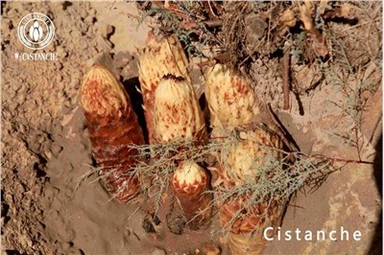
Cistanche is a traditional Chinese herbal medicine used for centuries to treat various health conditions, including kidney disease. It is derived from the dried stems of Cistanche deserticola, a plant native to the deserts of China and Mongolia. The main active components of cistanche are phenylethanoid glycosides, echinacoside, and acteoside, which have been found to have beneficial effects on kidney health.
Kidney disease, also known as renal disease, refers to a condition in which the kidneys are not functioning properly. This can result in a buildup of waste products and toxins in the body, leading to various symptoms and complications. Cistanche may help treat kidney disease ase through several mechanisms.
Firstly, cistanche has been found to have diuretic properties, meaning it can increase urine production and help eliminate waste products from the body. This can help relieve the burden on the kidneys and prevent the buildup of toxins. By promoting diuresis, cistanche may also help Reduce high blood pressure, a common complication of kidney disease.
Moreover, cistanche has been shown to have antioxidant effects. Oxidative stress, caused by an imbalance between the production of free radicals and the body's antioxidant defenses, plays a key role in the progression of kidney disease. ies help neutralize free radicals and reduce Oxidative stress, thereby protecting the kidneys from damage. The phenylethanoid glycosides found in cistanche have been particularly effective in scavenging free radicals and inhibiting lipid peroxidation.
Additionally, cistanche has been found to have anti-inflammatory effects. Inflammation is another key factor in the development and progression of kidney disease. Cistanche's anti-inflammatory properties help reduce the production of pro-inflammatory cytokines and inhibit the activation of inflammation mandatory pathways, thus alleviating inflammation in the kidneys.

Furthermore, cistanche has been shown to have immunomodulatory effects. In kidney disease, the immune system can be dysregulated, leading to excessive inflammation and tissue damage. Cistanche helps regulate the immune response by modulating the production and activity of immune cells, such as T cells and macrophages. This immune regulation helps reduce inflammation and prevent further damage to the kidneys.
Moreover, cistanche has been found to improve renal function by promoting the regeneration of renal tubes with cells. Renal tubular epithelial cells play a crucial role in the filtration and reabsorption of waste products and electrolytes. In kidney disease, these cells can be damaged, leading to damaged renal function. Cistanche's ability to promote the regeneration of these cells helps restore proper renal function and improve overall kidney health.
In addition to these direct effects on the kidneys, cistanche has been found to have beneficial effects on other organs and systems in the body. This holistic approach to health is particularly important in kidney disease, as the condition often affects multiple organs and systems. che has been shown to have protective effects on the liver, heart, and blood vessels, which are commonly affected by kidney disease. By promoting the health of these organs, cistanche helps improve overall kidney function and prevent further complications.
In conclusion, cistanche is a traditional Chinese herbal medicine used for centuries to treat kidney disease. Its active components have diuretic, antioxidant, anti-inflammatory, immunomodulatory, and regenerative effects, which help improve renal function and protect the kidneys from further damage. , cistanche has beneficial effects on other organs and systems, making it a holistic approach to treating kidney disease.