When We Estimate Glomerular Filtration Rate To Predict Clinical Outcomes, What Are We Measuring?
Feb 27, 2024
The estimated glomerular filtration rate is an important indicator for us to evaluate renal function. However, there are many shortcomings in its application in the elderly (the editor has also made a relevant summary Professor Xiao Jing: How to accurately evaluate renal function in the elderly? ). The Annals of Internal Medicine made an editorial comment on a recently published article that studied the relationship between eGFR assessment based on creatinine and/or cystatin C and adverse outcomes in the elderly. It inspired us to think: when we assess eGFR, What exactly are we assessing?

CLICK TO CISTANCHE FOR KIDNEY DISEASE
Glomerular filtration rate assessment formulas and clinical outcomes: What do we measure?
The establishment of standard definitions and staging of chronic kidney disease (CKD) is considered an important development. It has raised global awareness of kidney disease, helped identify high-risk groups for kidney and cardiovascular diseases, and guided clinical management. , inform health care policy, and enhance kidney research. Over the past 20 years, the CKD classification has been recognized by kidney disease guideline organizations and has evolved to include the CGA (Cause GFR Albuminuria) classification of disease etiology, glomerular filtration rate (GFR), and albuminuria. , to improve its prognostic value. Although CKD staging is widely adopted by the nephrology community, there are ongoing concerns about the overdiagnosis of CKD in the elderly. As the world's population aged 65 or older continues to grow, misclassification of older adults may lead to an "increased" prevalence of CKD. Specifically, experts believe that age-related decline in kidney function (physiological organ aging) is different from progressive CKD and has potentially different health effects. This concept is supported by the fact that the observed increase in the prevalence of CKD is not associated with a proportional increase in the incidence of end-stage renal disease and that the risk at a specific estimated GFR (eGFR) threshold varies by age group. These findings have led to calls for age-adapted definitions of CKD to appropriately account for normal age.

Fu and colleagues took a broader look at clinical outcomes in older adults by comparing 3 GFR estimating equations: creatinine-based eGFR (eGFRcr), cystatin C-based eGFR (eGFRcys), and creatinine and cystatin C-based eGFR levels of eGFR (eGFRcr-cys). Using data from a Swedish cohort of adults aged 65 years or older who measured both creatinine and cystatin C, the researchers linked single-point eGFR measurements to renal, cardiovascular, hospitalization, and infectious outcomes. Ironically, while focusing on the evolution of current GFR estimating equations specifically designed to guide renal management, the authors provide further evidence that eGFR predicts nonrenal outcomes. The authors do a good job of showing how renal biomarkers can measure more than just kidney function
As the authors point out, creatinine and cystatin C have limitations as biomarkers of renal function. Of note, personal characteristics influence creatinine; therefore, malnutrition, frailty, or frailty will lead to an overestimation of true GFR and may explain the U-shaped hazard ratio observed with eGFRcr but not with eGFRcys or eGFRcr-cys U-shaped hazard ratio. When the eGFRcr-cys equation was used to estimate GFR, 20% to 48% of the CKD stage 1 to 3 study population were downstaged, further supporting the possibility that the use of eGFRcr overestimates true GFR. While these findings require confirmation with the gold standard (GFR measurements in older adults), the information published by Inker and colleagues, including GFR measurements, suggests that eGFRcr-cys has the greatest accuracy among these estimating equations (PMID: 34554658). The data from Fu and colleagues suggest that expression of eGFRcr-cys at specific GFR thresholds may explain the stronger association with renal functional outcomes (renal failure requiring treatment and acute kidney injury), but ultimately the incidence of these renal events There are no differences when comparing these formulas. Therefore, for renal endpoints, the benefits of using eGFRcr-cys to label more older adults with renal disease need to be clarified, and these benefits were not examined in the study by Fu and colleagues.
For non-renal outcomes, the findings are consistent with the literature, which shows that the eGFR equation including cystatin C is more sensitive than eGFRcr in predicting cardiovascular outcomes (PMID: 36282503). Whether this is simply related to elevated circulating levels as a marker of renal insufficiency or to independent risk markers or mediators is unclear. Fu and colleagues extended these associations to hospitalizations and infections. One of the non-GFR determinants of cystatin C levels is inflammation. Therefore, chronic systemic inflammation may be detected by the eGFR equation, which contains cystatin C and may have elevated levels due to impaired renal clearance. In summary, two renal biomarkers (creatinine and cystatin C) have non-GFR determinants that detect pathophysiology that is independent of renal function and associated with adverse health outcomes. This may explain why CKD patients die before requiring dialysis.

Therefore, before we use these estimating equations to further modify current CKD staging criteria, we must focus on linking clinical outcomes to measured GFR values to better guide us on what to measure, what the measurement means, and how we should intervene. The significance of this study is that it opens up the possibility that we are measuring more than just kidney function for the CKD stage. As we have more tools in our toolbox to consider management within the cardiovascular-renal-metabolic syndrome framework, there is a need to stay current on the role of renal biomarkers in possible multisystem diseases, especially in the aging population. Use appropriately.
How Does Cistanche Treat Kidney Disease?
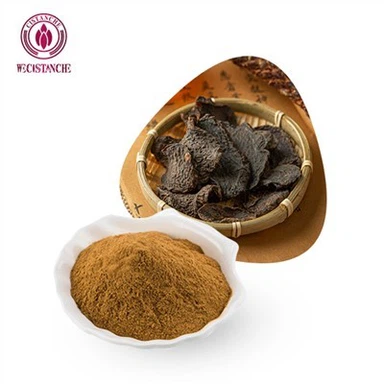
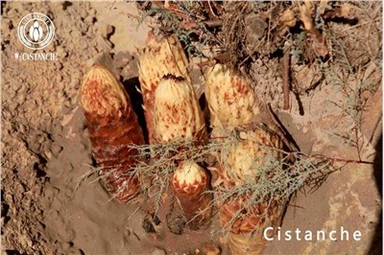
Cistanche is a traditional Chinese herbal medicine used for centuries to treat various health conditions, including kidney disease. It is derived from the dried stems of Cistanche deserticola, a plant native to the deserts of China and Mongolia. The main active components of cistanche are phenylethanoid glycosides, echinacoside, and acteoside, which have been found to have beneficial effects on kidney health.
Kidney disease, also known as renal disease, refers to a condition in which the kidneys are not functioning properly. This can result in a buildup of waste products and toxins in the body, leading to various symptoms and complications. Cistanche may help treat kidney disease ase through several mechanisms.
Firstly, cistanche has been found to have diuretic properties, meaning it can increase urine production and help eliminate waste products from the body. This can help relieve the burden on the kidneys and prevent the buildup of toxins. By promoting diuresis, cistanche may also help Reduce high blood pressure, a common complication of kidney disease.
Moreover, cistanche has been shown to have antioxidant effects. Oxidative stress, caused by an imbalance between the production of free radicals and the body's antioxidant defenses, plays a key role in the progression of kidney disease. ies help neutralize free radicals and reduce Oxidative stress, thereby protecting the kidneys from damage. The phenylethanoid glycosides found in cistanche have been particularly effective in scavenging free radicals and inhibiting lipid peroxidation.
Additionally, cistanche has been found to have anti-inflammatory effects. Inflammation is another key factor in the development and progression of kidney disease. Cistanche's anti-inflammatory properties help reduce the production of pro-inflammatory cytokines and inhibit the activation of inflammation mandatory pathways, thus alleviating inflammation in the kidneys.
Furthermore, cistanche has been shown to have immunomodulatory effects. In kidney disease, the immune system can be dysregulated, leading to excessive inflammation and tissue damage. Cistanche helps regulate the immune response by modulating the production and activity of immune cells, such as T cells and macrophages. This immune regulation helps reduce inflammation and prevent further damage to the kidneys.

Moreover, cistanche has been found to improve renal function by promoting the regeneration of renal tubes with cells. Renal tubular epithelial cells play a crucial role in the filtration and reabsorption of waste products and electrolytes. In kidney disease, these cells can be damaged, leading to damaged renal function. Cistanche's ability to promote the regeneration of these cells helps restore proper renal function and improve overall kidney health.
In addition to these direct effects on the kidneys, cistanche has been found to have beneficial effects on other organs and systems in the body. This holistic approach to health is particularly important in kidney disease, as the condition often affects multiple organs and systems. che has been shown to have protective effects on the liver, heart, and blood vessels, which are commonly affected by kidney disease. By promoting the health of these organs, cistanche helps improve overall kidney function and prevent further complications.
In conclusion, cistanche is a traditional Chinese herbal medicine used for centuries to treat kidney disease. Its active components have diuretic, antioxidant, anti-inflammatory, immunomodulatory, and regenerative effects, which help improve renal function and protect the kidneys from further damage. , cistanche has beneficial effects on other organs and systems, making it a holistic approach to treating kidney disease.