Patients With Kidney Disease Must Eat Less Of These Four Kinds Of Whole Grain Pretenders!
Feb 27, 2024
Coarse grains can be given a "good guy card" by everyone, and they do have their own merits. Whole grains have a low GI value and are rich in dietary fiber, which can reduce the concentration of low-density cholesterol and triglycerides in the blood, increase the residence time of food in the stomach, delay the rate of glucose absorption after meals, and reduce hypertension, diabetes, and obesity. and risk of cardiovascular and cerebrovascular diseases.

Click to Cistanche for kidney disease
However, when choosing whole grains, you should keep your eyes open and not be fooled by some "fake whole grains". There are some "coarse grain foods" on the market now that patients with kidney disease should refuse:
1. "Whole wheat bread"
Some whole-wheat bread on the market are highly processed and are a typical example of "pseudo-coarse grains". Because real whole-grain breads contain a lot of dietary fiber, their taste is relatively poor. Therefore, some manufacturers add more sugar, oil, and salt. Even wheat flour is used to reduce the discomfort of the taste. Such bread will not achieve the purpose of eating whole grains.

When buying whole wheat bread, pay attention to the ingredient list. If whole wheat flour is ranked first, it means that the whole wheat flour content is higher and you can buy it. But if it ranks after wheat flour, then the content of whole wheat flour is very low, and it is not recommended to buy it.
2. Some multigrain instant pasta
Some instant purple sweet potato steamed buns or cornmeal steamed buns are labeled as having high nutritional value, but in fact, some not only have added sugar, but some even use refined flour and pigments to confuse the situation.
3. Packaging soy milk
Anyone who has drunk this kind of soy milk knows that it tastes sweet. This is because a lot of sugar and additives are added to it. It is not a real soy milk. Drinking this kind of soy milk regularly will put a burden on the body. If you want to drink soy milk to achieve health goals, or freshly ground soy milk is better.
4. Instant rice pudding
The porridge itself takes a long time to cook, which can easily gelatinize the starch in the whole grains, causing the glycemic index to increase. In addition, the instant rice-treasure porridge contains white sugar, brown sugar, etc., which will be quickly absorbed by the intestines once ingested. The sugar in food causes blood sugar to rise rapidly and is not recommended.

Do three things and eat whole grains scientifically
① Reasonable matching
According to dietary guideline recommendations, an average healthy person is recommended to consume 50-150 grams of whole grains and miscellaneous legumes and 50-100 grams of potatoes per day.
It should be noted that whole grains generally have high potassium content and slightly higher protein content than fine grains. Therefore, patients with kidney disease should eat less whole grains in moderation. You can add a handful of whole grains when cooking rice to match the thickness.
② Replenish moisture
Because dietary fiber absorbs a lot of water, people who add whole grains to their daily diet can drink more water to lubricate the dietary fiber and avoid constipation.
③ Eat a variety of whole grains instead
Experts point out that there are differences between different whole grains and they should be eaten interchangeably. For example, corn contains linoleic acid, vitamin E, vitamin B6, niacin, etc., but the nicotinic acid contained is in a conjugated form. If it is not treated with alkali before consumption, it cannot be utilized by the human body. Millet contains a large amount of vitamins B1 and B2, but its amino acid composition is not ideal and lysine is too low.
How Does Cistanche Treat Kidney Disease?
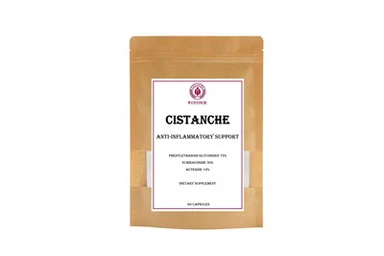
Cistanche is a traditional Chinese herbal medicine used for centuries to treat various health conditions, including kidney disease. It is derived from the dried stems of Cistanche deserticola, a plant native to the deserts of China and Mongolia. The main active components of cistanche are phenylethanoid glycosides, echinacoside, and acteoside, which have been found to have beneficial effects on kidney health.
Kidney disease, also known as renal disease, refers to a condition in which the kidneys are not functioning properly. This can result in a buildup of waste products and toxins in the body, leading to various symptoms and complications. Cistanche may help treat kidney disease ase through several mechanisms.
Firstly, cistanche has been found to have diuretic properties, meaning it can increase urine production and help eliminate waste products from the body. This can help relieve the burden on the kidneys and prevent the buildup of toxins. By promoting diuresis, cistanche may also help Reduce high blood pressure, a common complication of kidney disease.
Moreover, cistanche has been shown to have antioxidant effects. Oxidative stress, caused by an imbalance between the production of free radicals and the body's antioxidant defenses, plays a key role in the progression of kidney disease. ies help neutralize free radicals and reduce Oxidative stress, thereby protecting the kidneys from damage. The phenylethanoid glycosides found in cistanche have been particularly effective in scavenging free radicals and inhibiting lipid peroxidation.
Additionally, cistanche has been found to have anti-inflammatory effects. Inflammation is another key factor in the development and progression of kidney disease. Cistanche's anti-inflammatory properties help reduce the production of pro-inflammatory cytokines and inhibit the activation of inflammation mandatory pathways, thus alleviating inflammation in the kidneys.
Furthermore, cistanche has been shown to have immunomodulatory effects. In kidney disease, the immune system can be dysregulated, leading to excessive inflammation and tissue damage. Cistanche helps regulate the immune response by modulating the production and activity of immune cells, such as T cells and macrophages. This immune regulation helps reduce inflammation and prevent further damage to the kidneys.

Moreover, cistanche has been found to improve renal function by promoting the regeneration of renal tubes with cells. Renal tubular epithelial cells play a crucial role in the filtration and reabsorption of waste products and electrolytes. In kidney disease, these cells can be damaged, leading to damaged renal function. Cistanche's ability to promote the regeneration of these cells helps restore proper renal function and improve overall kidney health.
In addition to these direct effects on the kidneys, cistanche has been found to have beneficial effects on other organs and systems in the body. This holistic approach to health is particularly important in kidney disease, as the condition often affects multiple organs and systems. che has been shown to have protective effects on the liver, heart, and blood vessels, which are commonly affected by kidney disease. By promoting the health of these organs, cistanche helps improve overall kidney function and prevent further complications.
In conclusion, cistanche is a traditional Chinese herbal medicine used for centuries to treat kidney disease. Its active components have diuretic, antioxidant, anti-inflammatory, immunomodulatory, and regenerative effects, which help improve renal function and protect the kidneys from further damage. , cistanche has beneficial effects on other organs and systems, making it a holistic approach to treating kidney disease.