Silent Chronic Inflammation: Risks, Science & Natural Anti‑Inflammatory Support
Sep 16, 2026
Chronic low-grade inflammation is a hidden health threat that may awaken dormant cancer cells. Learn its warning signs, research findings, lifestyle anti-inflammatory strategies and how high-potency Cistanche Tubulosa extract delivers natural botanical support.
Persistent fatigue, widespread body aches and soreness, red irritated skin eczema, frequent diarrhea or constipation - these common everyday symptoms could be signs of long-term chronic inflammation.
Long-standing chronic inflammation, also known as "silent inflammation", is dangerous because it does not trigger the obvious redness, swelling, heat and sharp pain typical of acute inflammation. Instead, it slowly damages bodily systems in a quiet, systemic manner. Recent scientific research reveals that persistent inflammation can "wake up" dormant cancer cells hidden inside the body.

01 Chronic Inflammation Can Wake Dormant Cancer Cells
Many cancer patients successfully undergo surgery to remove primary tumors, yet cancer may relapse months or years later. Such recurrence often happens when dormant cancer cells lodged in distant organs get reactivated.
In September 2025, researchers from the Chinese Academy of Sciences and the Massachusetts Institute of Technology published a landmark study in the Proceedings of the National Academy of Sciences (PNAS), confirming that inflammation awakens dormant metastatic cancer cells and triggers cancer metastasis and recurrence.
Scientists ran mouse experiments to simulate breast cancer and its metastasis to lung tissue. They observed that some cancer cells entered a dormant state, much like deep sleep: these cells stopped dividing and were unable to form new tumor lesions.
But when researchers induced inflammation in the lung tissue of test mice, these "sleeping" cancer cells were awakened. Even more notably, the revived cancer cells underwent functional changes. They shifted from an inactive resting state into a primed, responsive state, regaining the capacity to divide and form metastatic tumors.

02 Chronic Inflammation May Drive Cancer Development
The International Agency for Research on Cancer (IARC) states that one‑sixth of all global cancer cases stem from bacterial or viral infections, which essentially trigger inflammatory responses. Continuous inflammation damages healthy cells, promotes abnormal cell proliferation and disrupts normal tissue repair mechanisms, eventually supporting cancer cell formation and expansion.
Chronic low-grade inflammation creates ongoing damage to cells and tissues. It can induce DNA damage and gene mutations, greatly elevating cancer risk.
The progressive pathway from inflammation to malignancy is widely referred to as the "inflammation-cancer chain". A 2015 study published in the Journal of the Second Military Medical University examined the relationship between dietary nutrition and inflammation-associated cancer risk. It concluded that an inflamed internal environment acts as a major risk factor for multiple cancers, and many malignancies develop against a background of unresolved chronic inflammation.
Smoking → chronic bronchitis → lung cancer
Chronic gastritis → gastric cancer
Chronic ulcerative colitis → colon cancer
Chronic hepatitis → liver cancer

03 A Practical Anti-Inflammatory Lifestyle Guide for Everyone
Effective anti-inflammatory care does not require expensive supplements. It starts with five foundational pillars of daily life: diet, hydration, physical activity, sleep and emotional wellbeing.
Choose Anti-Inflammatory Foods and Limit Pro-Inflammatory Diets
Add plenty of colorful whole fruits and vegetables to meals. Blueberries, broccoli, carrots and tomatoes are rich in antioxidants and polyphenols that help counteract inflammatory activity.
Prioritize healthy dietary fats. Omega‑3 fatty acids are well-documented natural anti-inflammatory compounds, found in fatty cold-water fish such as salmon, flaxseeds and walnuts.
Use natural spices for seasoning. Ginger, garlic, cinnamon and curry contain bioactive compounds with anti-inflammatory properties to enrich flavor while supporting body balance.
Cut back on pro-inflammatory foods. Reduce intake of high-sugar snacks, fried foods, refined carbohydrates including pastries and sweet bread, and heavily processed meats. These foods amplify systemic inflammatory reactions.
Maintain Adequate Hydration & Anti-Inflammatory Beverages
Drink plain water or herbal tea regularly. Water helps clear metabolic waste. Green tea contains polyphenols with notable anti-inflammatory potential.
Moderate black coffee consumption: black coffee is packed with antioxidants, but avoid adding large amounts of sugar and heavy cream.
Limit sugary drinks. Bubble tea, sweetened fruit beverages loaded with added sugar easily fuel inflammation.

Stick to Regular Exercise and Avoid Prolonged Sitting
Aim for moderate-intensity workouts. Brisk walking, swimming and cycling for around 150 minutes weekly can effectively lower inflammatory markers in the body.
Incorporate resistance training. Building muscle mass improves metabolic health and helps regulate systemic inflammation.
Break long sedentary periods. Stand and stretch every 60 minutes to reduce inflammation risk caused by sitting for hours.
Prioritize Quality Sleep and Sufficient Rest
Aim for 7–8 hours of sleep every night. Sleep deprivation raises cortisol levels and boosts inflammatory cytokine production.
Maintain a consistent sleep schedule. Going to bed and waking up at fixed times supports a healthy biological clock and reduces inflammatory stress.

Herbal Botanical Support: Cistanche Tubulosa and Natural Anti-Inflammatory Support
Lifestyle adjustments form the foundation of inflammation management, and plant-derived ingredients can serve as complementary support. This is where Cistanche benefits for anti-inflammatory attract growing attention from supplement formulators worldwide.
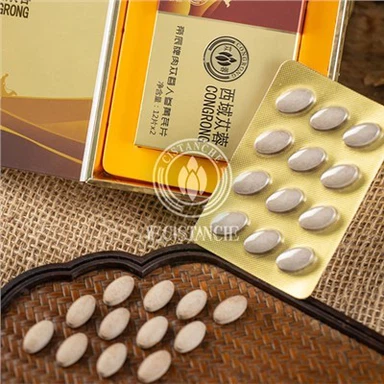
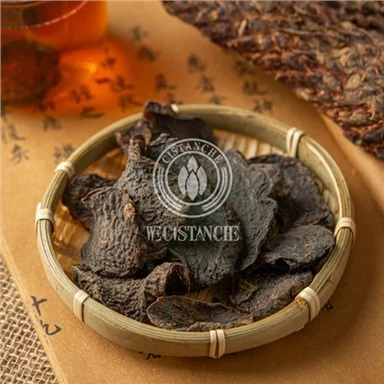
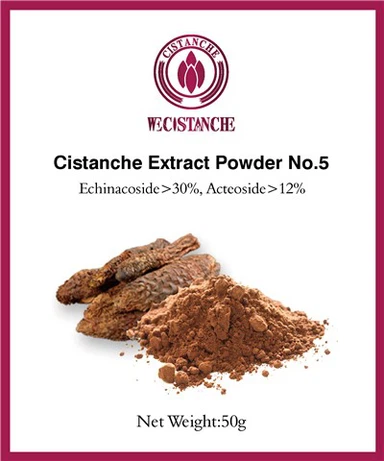
Cistanche, known as "Desert Ginseng" in Traditional Chinese Medicine, has been used for thousands of years to support systemic balance and reduce excessive internal inflammatory stress. Among different Cistanche varieties, Cistanche Tubulosa contains markedly higher levels of phenylethanoid glycosides (PhGs), including echinacoside and acteoside, its signature active constituents. This distinguishes it from other Cistanche species such as Cistanche deserticola.
Our factory specializes in standardized Cistanche Tubulosa extract production with enriched active compounds. Modern phytological studies demonstrate that PhGs from Cistanche Tubulosa help modulate inflammatory signaling pathways, reduce oxidative stress and calm excessive inflammatory responses. These bioactive compounds support the body's natural defense system without over-suppressing normal immune function. For supplement developers designing natural anti-inflammatory formulations, standardized high-potency Cistanche Tubulosa extract offers a reliable herbal raw material option.
To learn more about our manufacturing capabilities and raw material standards, please visit our company introduction page: https://www.xjcistanche.com/about-us

Supportive Service Of Wecistanche-For more details about cooperation
Email:Lijianlin@wecistanche.com
Conclusion
Silent chronic inflammation is a hidden threat that can gradually damage tissues and increase long-term disease risk. Recognizing its subtle warning signs, understanding the inflammation-cancer progression chain, and building sustainable anti-inflammatory daily habits can help keep systemic inflammation in check.
For brands developing natural herbal supplements, Cistanche Tubulosa stands out as a valuable botanical ingredient. Cistanche benefits for anti-inflammatory come from both centuries of traditional application and modern phytochemical research. Selecting Cistanche Tubulosa extract with high standardized PhG content ensures consistent batch quality and stronger bioactivity compared with lower-potency alternatives. Our factory supplies premium Cistanche Tubulosa extract to global supplement product developers.
Disclaimer: These statements have not been evaluated by the Food and Drug Administration. This ingredient is not intended to diagnose, treat, cure or prevent any disease. All content is for educational and raw material reference only. Please consult qualified healthcare professionals for individual health concerns.