Six Mechanisms Of Acupuncture in Treating Slow Transit Constipation
Aug 29, 2023
1. Overview of colonic slow transit constipation
Slow transit constipation (STC) refers to constipation caused by prolonged colon transit time due to colonic transit dysfunction.

1. Epidemiology
The disease is a functional disorder of the colon with a high incidence in the world, with a global incidence of about 30%. The prevalence of constipation in the general adult population of Zhongguo is 3.19% to 11.6%, and the incidence increases with age. high.
2. Etiology
main cause
① Insufficient intake of fiber
When the intake of cellulose is insufficient, especially the dietary fiber is insufficient, the water content and volume in the feces will decrease, the stimulation to the intestinal wall will be weakened, the intestinal peristalsis will be reduced, the passage time of intestinal contents will be prolonged, and the water will be reabsorbed excessively, resulting in dry stool, Expelling is difficult.
② drugs
Many drugs can cause constipation, such as antidepressants, antiepileptic drugs, antihistamines, antiparkinsonians, antipsychotics, antispasmodics, calcium antagonists, etc. can also cause constipation.
③organic disease
That is, the patient has an intestinal disease (colorectal tumor, diverticulum, stricture or obstruction of the intestinal lumen, megacolon);
Endocrine and metabolic diseases (severe dehydration, diabetes mellitus, hypothyroidism, hyperparathyroidism, multiple endocrine neoplasia, heavy metal poisoning, hypercalcemia, hypermagnesemia, hypokalemia, phobia, chronic kidney disease, uremia);
Nervous system disorders (autonomic neuropathy, cerebrovascular disease, cognitive impairment or dementia, multiple sclerosis, Parkinson's disease, spinal cord injury);
Muscle diseases (amyloidosis, dermatomyositis, scleroderma, systemic sclerosis) are prone to this disease.
Hairy people
①Lack of exercise
The function of intestinal peristalsis is weakened, which easily increases the risk of disease.
② Irregular work and rest, lack of sleep
The nerve regulation function is easily disturbed, the function of regulating the gastrointestinal tract will be weakened, and it is easy to cause gastrointestinal diseases.
③Excessive dieters
Unlimited dieting will lead to long-term hunger in the gastrointestinal tract, which will cause gastrointestinal dysfunction and increase the risk of disease.
④Patients with a family history of colonic slow transit constipation
The disease has a certain genetic tendency. There are patients in the family, and the prevalence rate of other family members is higher than that of ordinary people.
3. Main symptoms
Lack of Convenience
Fewer bowel movements
Hard stool
Difficult to pass stool or manual assisted defecation
or combined with a sense of incomplete defecation
Rectal swelling, etc.

4. Complications
Long-term constipation can be secondary to hemorrhoids
induced cardiovascular disease
increased risk of bowel cancer
Emotional abnormalities such as anxiety and depression
sleep disturbance
Seriously affects people's health and quality of life
5. Acupuncture
Acupuncture treatment of STC not only improves the gastrointestinal motility of patients, but also regulates the mental state of patients, and has a good long-term curative effect.
At present, the pathogenesis of STC is not clear, and it is believed to be related to the abnormality of enteric neurons and neurotransmitters, and the reduction of enteric glial cells and Cajal interstitial cells.
2. Effects of acupuncture on the enteric nervous system (ENS) in slow transit constipation (STC)
1. Relationship between ENS and STC
The enteric nervous system (ENS) refers to the network system composed of neurons, neurotransmitters, proteins, and supporting cells in the gastrointestinal wall, which can independently regulate gastrointestinal function locally.
The ENS has two main nerve plexuses: the myenteric plexus and the submucosal plexus.
The former mainly controls smooth muscle movement;
The latter mainly regulates gastrointestinal secretion and local blood flow.
The two are related to each other and jointly regulate gastrointestinal function.
ENS neurons are divided into sensory, intermediate, and motor neurons.
Sensory neurons pass the information to the interneurons by sensing the information inside the intestinal tract, and the interneurons process the information and then transmit it to the motor neurons. Different types of neurons secrete different neurotransmitters (excitatory or inhibitory) and Sexual neurotransmitters) to complete the corresponding regulation of the intestinal tract.
Therefore, if the integrity of the ENS is damaged, neurons, neurotransmitters, etc. will become abnormal, which will directly cause gastrointestinal dysfunction.
2. Effect of acupuncture on enteric ganglia and enteric myenteric plexus
Most slow transit constipation of the colon (STC) are ENS lesions. Patients with STC have decreased enteric nerve cells, glial cells, enteric ganglia, and enteric neurons. The decrease in enteric neurons may be related to the increase in apoptosis of enteric neurons.
research shows
① Colonic motor dysfunction in STC patients was related to the quantitative changes of ENS. The total ganglion area, average number of neurons per intestinal segment, and number of neurons per ganglion were significantly reduced in the enteric myenteric plexus and deep submucosal plexus in STC patients.
②The intestinal myenteric plexus of STC mice was severely damaged, the smooth muscle of the colon was significantly thinned, the nerve fiber vacuoles were degenerated and arranged in disorder, and the number of enteric neurons in the intestinal myenteric plexus and submucosal plexus was significantly reduced;
After acupuncture intervention, the colon tissue morphology of STC mice was significantly improved, the damaged smooth muscle and neurons were gradually repaired, and the transmission function of the colon was further restored.
3. Effects of acupuncture on enteric neurons and neurotransmitters
The dysregulation of enteric neurons and neurotransmitters is also closely related to the pathogenesis of STC.
research shows
①The expression of inhibitory neurotransmitters nitric oxide (NOS), nitric oxide synthase (NOS), and vasoactive intestinal peptide (VIP) in the colon or blood of STC patients increased significantly;
The contents of the excitatory neurotransmitter substance P (SP) and acetylcholine (Ach) decreased significantly, while the contents of 5-hydroxytryptamine (5-HT) increased.
However, some studies have shown that the expression of VIP in the colon of STC patients or animal models is reduced, and there is no unified conclusion about the increase or decrease of the expression of the inhibitory neurotransmitter VIP.
② Electroacupuncture can improve gastrointestinal motility by restoring the coordination of excitatory and inhibitory enteric neurons in the ENS, and acupuncture at different acupoints has different effects on excitatory and inhibitory neurons in the proximal colon.
Acupuncture at "Shangjuxu" has effects on excitatory neurons and inhibitory neurons;
Acupuncture "Tianshu" only has a regulating effect on inhibitory neurons.
Electroacupuncture can up-regulate the expression of SP and VIP in the colon of STC rats, and different frequencies of electroacupuncture stimulation have differences in the improvement of colonic transport function.

Acupuncture intervention can promote the expression of VIP by activating the parasympathetic nerve, and can significantly improve the pathological state of colonic tissue in STC rats.
Electroacupuncture at "Dachangshu" and "Shangjuxu" can maintain the balance between the excitatory transmitter SP and the inhibitory transmitter somatostatin in the gastrointestinal tract of STC mice, and restore the balance of brain-gut peptide by regulating the enteric neuro-endocrine system Normal chemical regulation can improve gastrointestinal motility disorder by realizing the effect of two-way regulation.
3. Effect of acupuncture on interstitial cells of Cajal (ICC)
ICC in the colon is a pacemaker cell for intestinal motility, and the reduction of ICC is one of the main mechanisms for the occurrence of STC.
Excessive autophagy in ICC can lead to changes in the phenotype of its cells, destruction of the network structure, and reduction of gene expression, which can all cause gastrointestinal dynamic disturbances and lead to the occurrence of STC.
In STC patients, the number of ICCs in the colonic submucosal border, circular muscular layer, myenteric plexus, and longitudinal muscular layer decreased significantly, and the ICCs in the submucosal border almost completely disappeared.
The expression of c-kit, the tyrosine kinase receptor in the distal colon of STC rats, was reduced, the morphology and structure of ICC were severely damaged under the electron microscope, and the signal initiation and signal transmission of ICC were limited.
animal studies show
Electroacupuncture or acupuncture can up-regulate the expression of c-kit, increase the number of ICCs in colon tissue, regulate the frequency and amplitude of colonic myoelectricity, up-regulate the expression of c-kit and stem cell factors, reverse the phenotype of ICCs, inhibit excessive autophagy of colonic ICCs, and promote The recovery of the number and structure of ICC makes the structure of ICC roughly return to normal, thereby improving the symptoms of STC and relieving intestinal motility disturbance.
4. Effect of acupuncture on the smooth muscle of the colon
Intestinal smooth muscle is one of the key factors affecting gastrointestinal motility. Abnormal function or morphology of colonic smooth muscle can lead to changes in colon motility and eventually constipation.
Colon smooth muscle cells (SMC) are the mechanical and physiological basis for maintaining gastrointestinal motility. When there is a defecation reflex, SMC expresses a variety of signal transmitter receptors, which can generate push and contraction from top to bottom, pushing stool down to the rectum.
STC patients have weakened colonic smooth muscle contraction and abnormal electrical slow waves.
research shows
① After acupuncture at Shumu points in the large intestine of mice, the chromatin in the SMC nucleus was evenly distributed, and the number of mitochondria, rough endoplasmic reticulum, ribosomes, and other organelles in the cytoplasm increased, and the structure was complete.
Explanation: Acupuncture at Shumu Point of Dachang can inhibit the apoptosis of colonic SMC, restore its morphological structure, and then enhance the contraction activity of colonic smooth muscle, and promote the recovery of gastrointestinal transport function.
②The thickness of colonic smooth muscle in STC rats was significantly thinner, while electroacupuncture made the structure of colonic smooth muscle tend to be normal, and then improved gastrointestinal motility disorder.
5. Acupuncture regulation of gastrointestinal motility
Gastrointestinal motility disorder is also one of the important mechanisms of STC.
Slow wave is one of the manifestations of colonic myoelectricity, and the frequency and amplitude of colonic slow wave can objectively reflect colonic function;
The abnormality of the slow wave frequency will lead to the slowing down of the propulsive contraction frequency or uncoordinated contraction of the intestinal tract, and the decrease in its amplitude will reduce the contractility of the colon, resulting in weak colonic motility and sluggish intestinal transit function.
research shows
①The colonic myoelectric slow wave changes in STC rats showed bidirectionality, that is, some showed frequency slowing down and amplitude increasing, while others showed frequency increasing and amplitude varying;
The regulation of slow wave frequency and amplitude by acupuncture intervention is also manifested as a two-way and benign regulation;
Electroacupuncture can also improve the slow-wave rhythm of the colon of STC rats, and restore the slow-wave waveform to normal, with more regular frequency and amplitude;
Acupuncture can promote intestinal transport function and regulate intestinal motility in STC mice by promoting small intestine propulsion, affecting colonic slow-wave potential, and increasing the number of ICCs.
② Acupuncture can regulate the motility of the colon in STC patients by regulating serum NOS, 5-HT, SP, VIP, and other humoral factors closely related to gastrointestinal motility, thereby alleviating STC symptoms.
6. Effects of Acupuncture on Mental and Psychological Factors
In recent years, with the introduction of the "biological-psychological-social medicine" model, the role of anxiety, depression, and other mental and psychological factors in the development, diagnosis, and treatment of STC has been gradually paid attention to.
According to a survey, the incidence rate of mood disorders in patients with a constipation course of less than 1 year was 29%, while the incidence rate of constipation patients with a course of more than 1 year was 44.7%.
Long-term chronic constipation will lead to anxiety and depression in patients, and constipation as a somatic symptom will persist with the development of anxiety and depression, and even aggravate, forming a vicious circle.
clinical research shows
Acupuncture can significantly improve clinical symptoms, anxiety, and depression in patients with chronic constipation, and the curative effect of chronic constipation is positively correlated with the improvement of anxiety.
Explanation: Acupuncture can not only improve the constipation symptoms of STC patients, but also regulate mental and psychological factors such as anxiety and depression, and the two influence each other.
7. Effect of acupuncture on intestinal microecology
Intestinal flora is an important part of intestinal function and is crucial to maintaining the host's intestinal microecological balance, regulating intestinal motility, improving the body's immune function, and affecting the absorption of nutrients.
In recent years, research on intestinal microecology and STC has been increasing. Some scholars have found that after fecal microbiota transplantation is performed on STC patients, their intestinal function and constipation symptoms can be effectively relieved.
In the absence of intestinal flora, the effect of acupuncture on improving gastrointestinal transit function will be inhibited, suggesting that regulating intestinal flora is an important part of acupuncture in improving gastrointestinal transit function.
Studies have confirmed that acupuncture and moxibustion can achieve multi-faceted and multi-level synergistic effects on intestinal microbiota by regulating the ups and downs of intestinal qi, regulating the number and proportion of intestinal microorganisms, and regulating brain-gut peptides and inflammatory responses, thereby promoting gastric Intestinal motility.
However, there are still few studies on the specific effects and mechanisms of acupuncture on the intestinal microecology of STC.
To sum up, acupuncture can improve the gastrointestinal transmission function of STC by regulating ENS, ICC, colonic smooth muscle, gastrointestinal motility, mental and psychological factors, and intestinal microecology, thereby alleviating constipation.
Natural Herbal Medicine For Relieving Constipation-Cistanche
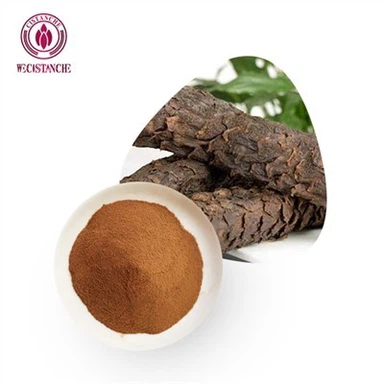
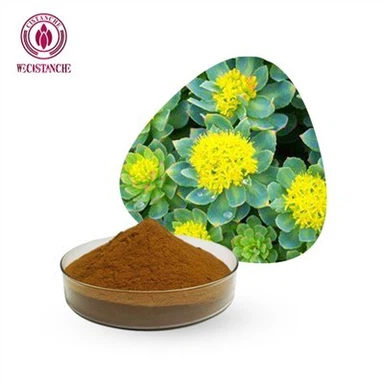
Cistanche is a genus of parasitic plants that belongs to the family Orobanchaceae. These plants are known for their medicinal properties and have been used in Traditional Chinese Medicine (TCM) for centuries. Cistanche species are predominantly found in arid and desert regions of China, Mongolia, and other parts of Central Asia. Cistanche plants are characterized by their fleshy, yellowish stems and are highly valued for their potential health benefits. In TCM, Cistanche is believed to have tonic properties and is commonly used to nourish the kidney, enhance vitality, and support sexual function. It is also used to address issues related to aging, fatigue, and overall well-being. While Cistanche has a long history of use in traditional medicine, scientific research on its efficacy and safety is ongoing and limited. However, it is known to contain various bioactive compounds such as phenylethanoid glycosides, iridoids, lignans, and polysaccharides, which may contribute to its medicinal effects.

Wecistanche's cistanche powder, cistanche tablets, cistanche capsules, and other products are developed using desert cistanche as raw materials, all of which have a good effect on relieving constipation. The specific mechanism is as follows: Cistanche is believed to have potential benefits for relieving constipation based on its traditional use and certain compounds it contains. While scientific research specifically on Cistanche's effect on constipation is limited, it is thought to have multiple mechanisms that may contribute to its potential to relieve constipation. Laxative Effect: Cistanche has long been used in Traditional Chinese Medicine as a remedy for constipation. It is believed to have a mild laxative effect, which can help promote bowel movements and induce constipation. This effect may be attributed to various compounds found in Cistanche, such as phenylethanoid glycosides and polysaccharides. Moistening the Intestines: Based on traditional use, Cistanche is considered to have moisturizing properties, specifically targeting the Intestines. Promoting hydration and lubrication of the Intestines, may help soften tools and facilitate easier passage, thereby relieving constipation. Anti-inflammatory Effect: Constipation can sometimes be associated with inflammation in the digestive tract. Cistanche contains certain compounds, including phenylethanoid glycosides and lignans, that are believed to have anti-inflammatory properties. By reducing inflammation in the intestines, it may help improve bowel movement regularity and relieve constipation.