Progress In Diagnosis And Treatment Of Primary Chronic ConstipationⅢ
Aug 28, 2023
treatment and prognosis
Non-drug treatment is the first-line treatment for constipation. If the effect is not significant, drug treatment can be considered. Among them, anorectal biofeedback therapy has a significant effect on patients with defecation dyssynergia. At present, microecological therapy has become an effective and popular treatment method for the treatment of primary chronic constipation and has a good development prospect. Surgical treatment is also a final treatment strategy for constipation patients with severe symptoms who fail conservative treatment, or who meet the indications for surgery.

Click to home remedies for constipation
(1) Non-drug treatment
1. Modification of diet and lifestyle: Modification of diet and lifestyle is often used as a first-line treatment strategy for patients with chronic constipation. The effectiveness of this approach is based on epidemiological studies linking constipation to various dietary and lifestyle factors, such as low dietary fiber intake, low fluid intake, and physical inactivity. Mechanisms driving the laxative effect of dietary fiber vary: large or coarse insoluble fiber particles (e.g., bran) mechanically stimulate the intestinal mucosa, stimulating water and mucus secretion; gel-forming soluble fibers (e.g., fungus, pectin) have High water retention capacity, can resist dehydration, and transport water to the colon to loosen the consistency of stool [15]. Although increasing fluid intake is often recommended to improve symptoms in people with constipation, there is no evidence or controlled trials that increasing fluid intake is effective in treating constipation. Increasing physical activity in young patients with severe constipation does little to help relieve constipation [1]. In elderly patients with significant physical inactivity, increasing physical activity as part of an overall rehabilitation program may be beneficial for constipation.
2. Anorectal biofeedback therapy: Anorectal biofeedback therapy is more effective than non-drug treatments (lifestyle adjustments), laxatives, or the anti-anxiety drug diazepam for patients with defecation dyssynergia, with good long-term results, It can be used as the first choice for the treatment of defecation syndrome [16]. Seventy percent of patients responded to biofeedback therapy, which has been rated as a grade A recommendation by the American and European Society of Neurogastroenterology and Kinetics.
(2) Drug treatment
Drugs currently approved for the treatment of constipation mainly include osmotic laxatives, stimulant laxatives, secretagogues, and serotonin (5-HT) receptor agonists.
1. Osmotic laxatives: For patients with chronic constipation who do not respond to diet and lifestyle changes, osmotic laxatives such as polyethylene glycol and lactulose are the next common treatment. Osmotic laxatives can cause an osmotic gradient in the intestinal lumen, leading to the secretion of water and electrolytes into the intestinal lumen, thereby reducing stool consistency and increasing stool volume [17]. The osmotic laxative polyethylene glycol has been tested in several high-quality randomized controlled trials lasting up to 6 months and showed improvement in symptoms of chronic constipation compared with placebo [18]. The goal of using osmotic laxatives is to improve the patient's primary symptoms. The bacterial metabolism of unabsorbed carbohydrates can lead to gas and abdominal cramping, which may limit the long-term use of osmotic laxatives [19].
2. Stimulant laxatives: If the curative effect of osmotic laxatives is not significant, stimulant laxatives can be selected for treatment. Stimulant laxatives induce the secretion of water and electrolytes, stimulate intestinal motility, release prostaglandins, and accelerate colonic transit [20]. Stimulant laxatives, including diphenylmethane derivatives (bisacodyl and sodium picosulfate) and anthraquinone derivatives (senna leaf, aloe vera), are often used in patients with acute symptoms, such as for 2–3 days without Defecation patients [19]. A study evaluating the efficacy of various stimulant laxatives for constipation found that bisacodyl was superior to sodium picosulfate, prucalopride, and lubiprost in eliciting more than 3 completely spontaneous bowel movements per week Other drugs such as ketones and linaclotide [21]. Senna is also commonly used in the treatment of chronic constipation, but there are currently no placebo-controlled trials evaluating its efficacy. There are few long-term studies or comparisons of stimulant laxatives with other drugs, and their use is often limited by adverse effects of abdominal pain and diarrhea. Clinical trials have shown that stimulant laxatives are resistant and less effective after long-term use.

3. Secretagogues: If the patient does not respond to conventional laxatives, secretagogues can be tried. Currently available secretagogues (such as lubiprostone, linaclotide, and procainamide) work by direct action Treat constipation by increasing fluid secretion in the intestinal lumen from the intestinal epithelium. Lubiprostone does this by activating chloride channels on luminal epithelial cells, while linaclotide and procainamide are guanylate cyclase C receptor agonists that increase intestinal epithelial cGMP, eventually leading to the opening of the cystic fibrosis transmembrane conductance regulator chloride ion channel [22]. Li et al [23] conducted a meta-analysis, summarizing 9 randomized controlled trials of lubiprostone and placebo, and found that the frequency of stool increased and the severity of constipation was significantly improved after 4 weeks of use of lubiprostone, and reduced fatigue and bloating, and overall constipation relief. Nausea is the most common adverse reaction of lubiprostone [24]. Linaclotide can improve intestinal and abdominal symptoms in patients with chronic constipation accompanied by moderate to severe abdominal distension, and diarrhea is the most common adverse reaction of taking linaclotide [25]. The efficacy of procainamide is similar to that of linaclotide [26].
4. 5-HT4 receptor agonists: Prucalopride is a highly selective 5-HT4 receptor agonist that activates afferent neuronal signals to increase gut motility. A meta-analysis of six phase III and IV randomized controlled trials showed that, compared with placebo, after 12 weeks of treatment with prucalopride 2 mg once daily, more patients with constipation had an average of 3 times or more spontaneous defecation[27]. Prucalopride was well tolerated, with no substantial cardiovascular effects or drug interactions, and the most common adverse reactions were gastrointestinal disturbances (such as diarrhea, nausea, and abdominal pain) and headache. Velukast and nanofibril, like prucalopride, are selective 5-HT4 receptor agonists with prokinetic effects. These drugs have shown promise in phase II clinical trials but have not been further evaluated. Table 1 summarizes the current medications commonly used in the treatment of chronic constipation.
picture
(3) Microecological treatment
In recent years, studies on intestinal diseases and intestinal flora have revealed the relationship between chronic constipation and intestinal flora disorders and provided a theoretical basis for microecological treatment of chronic constipation. Given their wide-ranging roles in different gastrointestinal and non-gastrointestinal diseases, microbiome therapy has become a popular therapeutic approach among potential therapeutic drugs. Microbial therapy mainly includes probiotics, prebiotics, synbiotics, postbiotics, antibiotics, and flora transplantation.
1. Probiotics: Lactobacillus and Bifidobacteria are commonly used as probiotics to treat constipation. Almost all studies of probiotics for constipation in adults have shown the effectiveness of probiotics. Dimidi et al [28] found that changing the intestinal environment with certain probiotic strains may affect intestinal motility and secretion, thereby benefiting patients with constipation. In addition, probiotics can relieve constipation and improve other symptoms caused by constipation. For example, probiotics protect neurons by activating protein kinase signaling pathways, thereby alleviating constipation-induced depression [29]. However, simple supplementation of probiotics does not necessarily change the human intestinal mucosal flora. Due to host specificity, probiotics and intestinal flora have different intestinal mucosal colonization resistance among different hosts[30 ], which may affect the function of probiotics. For example, Russo et al. [31] conducted a study on the effect of probiotics on children with constipation. Compared with polyethylene glycol alone, polyethylene glycol + probiotics did not significantly improve the efficacy.
2. Prebiotics: Prebiotics belong to a kind of non-digestible carbohydrates, such as oligosaccharides and inulin, which can increase the number of common probiotics in the human body, such as bifidobacteria and lactobacilli, thereby improving constipation symptoms. Currently available prebiotics include human milk oligosaccharides, lactulose, and inulin derivatives. Huang et al [32] used lactulose to treat patients with postpartum constipation and found that the improvement of constipation symptoms was significantly better than that of the control group, including increased relief time, prolonged constipation-free days, and reduced defecation time.
3. Synbiotics: Synbiotics are biological preparations used in combination with probiotics and prebiotics, which are characterized by the simultaneous action of probiotics and prebiotics. Synbiotics can effectively regulate intestinal flora, and improve stool frequency, stool consistency, and constipation-related symptoms [33]. Bazzocchi et al. [34] did a study on the treatment of constipation with synbiotics. They gave synbiotics and maltodextrin (placebo) treatment for 8 weeks, and the results showed that patients receiving synbiotics had significant improvements in bowel movement frequency and stool consistency. In addition, the colonic transit time of the synbiotic group was significantly shortened, and 5 types of lactobacillus effective in improving constipation were found in the stool samples of half of the patients in the synbiotic group, including Lactobacillus planetarium, Lactobacillus acidophilus, and Lactobacillus rhamnosus. In the above studies, adverse reactions including abdominal pain, abdominal distension, nausea, and vomiting rarely occurred. Therefore, probiotics, prebiotics, and synbiotics may be effective options for the treatment of constipation.
4. Postbiotics: In 2019, the International Probiotics and Prebiotics Scientific Association made a clear definition of postbiotics: postbiotics are preparations of non-living microorganisms and/or their components that are beneficial to the health of the host [35]. Intestinal flora can affect the host by secreting small molecules that regulate host cell and body functions, such as indole and its derivatives, and short-chain fatty acids. These small molecules are efficient means of communication in host-microbe interactions. Based on these metabolites, postbiotics can target downstream signaling pathways that regulate the microbiota and work by mitigating the negative effects of excess, scarcity, or dysregulation of metabolites involved in these pathways [36]. One of the disadvantages of using postbiotics for treatment is that the half-life is shorter than using live bacteria and, therefore, repeated dosing may be required to treat disorders associated with the disorder. Furthermore, due to the pleiotropic and cell-type specificity of the actions of some microbiota-associated metabolites, it is necessary to further explore the full physiological roles of different metabolites. The efficacy of postbiotics in the treatment of chronic constipation remains to be studied, but this metabolite-based therapeutic strategy is very promising.
5. Antibiotics: Previous studies have proposed a link between constipation and methanogenic bacteria, and methanogenic gut microbiota can lead to constipation by reducing defecation [37]. Although some studies have shown that antibiotics can be used to treat constipation, it is not the main purpose of the clinical use of antibiotics.

6. Fecal microbiota transplantation (FMT): FMT is the transfer of the entire microbial community from a healthy donor to the patient's gut to replace the disease-associated microbiome. FMT is effective in the treatment of Clostridium difficile infection [38]. The feasibility of FMT in the treatment of chronic constipation has been reported by many studies. Tian et al [39] conducted a randomized controlled trial, in which 60 patients with STC were divided into an FMT group or control group, and received conventional laxative treatment. The results showed that patients who received FMT experienced significant improvements in constipation symptoms, including bowel movement frequency and stool quality. Despite the small sample size, they demonstrated that FMT is effective in treating constipation. However, because of donor selection and cost and complexity, FMT is unlikely to be considered a first choice. FMT should be used selectively in patients who are insensitive to conventional treatment strategies.
(4) Surgical treatment
Surgical treatment of constipation is rarely indicated and requires strict criteria. Surgery is only indicated for patients with STC and not for patients with pelvic floor dysfunction leading to uncoordinated bowel movements or constipation-predominant irritable bowel. In patients with combined defecation dyssynergia and STC, pelvic floor dysfunction must be corrected before surgical intervention becomes an option [40].
Surgical options for slow transit constipation include ileostomy, total colectomy with ileorectal anastomosis, antegrade cecostomy, rectocele, recto intussusception and rectal mucosal prolapse repair, sacral nerve stimulation [41 ]. Psychiatric consultation should be actively considered before total colectomy and ileorectal anastomosis in patients with STC and defecation dyssynergia, but the use of colectomy with ileorectal anastomosis rather than ileorectal anastomosis alone for constipation is controversial. Patients with STC and defecation inconsistency may benefit from total colectomy if pelvic floor dysfunction is corrected first. In the presence of severe, uncorrectable pelvic floor dysfunction, the only surgery that can relieve symptoms is a terminal ileostomy. Anterograde jejunostomy is preferred in children with chronic refractory constipation. Sacral neuromodulation therapy is considered to be an experimental therapy for the treatment of chronic constipation in adults. Domestic studies have shown that this therapy has a significant effect on STC, and has the advantages of safety and easy operation[42].
Although primary chronic constipation is a digestive system disease, it is often combined with mental and psychological disorders. Lack of attention to constipation and drug abuse are important factors leading to recurrence and even worsening of the course of the disease. Diagnosis and treatment of constipation is a complicated process. Accurate diagnosis of constipation subtypes is the basis for effective treatment of constipation. At the same time, it is very important to use therapeutic drugs or strategies rationally and standardizedly according to the clinical symptoms and severity of patients. This requires a more professional clinical team. At present, the drugs and strategies for the treatment of constipation are constantly improving, and the emerging microecological treatment is booming. However, there are still many problems, such as the pathophysiological mechanism of each subtype of constipation is still unclear, and its diagnosis and treatment level still need to be improved. In recent years, the proposal of the gut-brain-microbiota axis has revealed new ideas for exploration, suggesting that gut microbiota may be a potential therapeutic target for constipation in the future.
Natural Herbal Medicine For Relieving Constipation-Cistanche
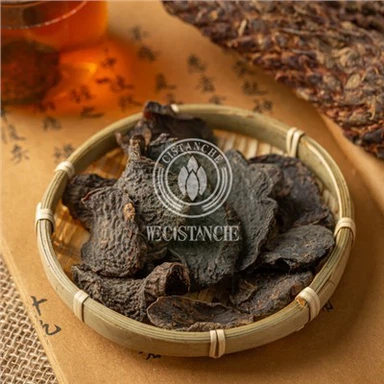
Cistanche is a genus of parasitic plants that belongs to the family Orobanchaceae. These plants are known for their medicinal properties and have been used in Traditional Chinese Medicine (TCM) for centuries. Cistanche species are predominantly found in arid and desert regions of China, Mongolia, and other parts of Central Asia. Cistanche plants are characterized by their fleshy, yellowish stems and are highly valued for their potential health benefits. In TCM, Cistanche is believed to have tonic properties and is commonly used to nourish the kidney, enhance vitality, and support sexual function. It is also used to address issues related to aging, fatigue, and overall well-being. While Cistanche has a long history of use in traditional medicine, scientific research on its efficacy and safety is ongoing and limited. However, it is known to contain various bioactive compounds such as phenylethanoid glycosides, iridoids, lignans, and polysaccharides, which may contribute to its medicinal effects.

Wecistanche's cistanche powder, cistanche tablets, cistanche capsules, and other products are developed using desert cistanche as raw materials, all of which have a good effect on relieving constipation. The specific mechanism is as follows: Cistanche is believed to have potential benefits for relieving constipation based on its traditional use and certain compounds it contains. While scientific research specifically on Cistanche's effect on constipation is limited, it is thought to have multiple mechanisms that may contribute to its potential to relieve constipation. Laxative Effect: Cistanche has long been used in Traditional Chinese Medicine as a remedy for constipation. It is believed to have a mild laxative effect, which can help promote bowel movements and induce constipation. This effect may be attributed to various compounds found in Cistanche, such as phenylethanoid glycosides and polysaccharides. Moistening the Intestines: Based on traditional use, Cistanche is considered to have moisturizing properties, specifically targeting the Intestines. Promoting hydration and lubrication of the Intestines, may help soften tools and facilitate easier passage, thereby relieving constipation. Anti-inflammatory Effect: Constipation can sometimes be associated with inflammation in the digestive tract. Cistanche contains certain compounds, including phenylethanoid glycosides and lignans, that are believed to have anti-inflammatory properties. By reducing inflammation in the intestines, it may help improve bowel movement regularity and relieve constipation.