Stay Away From Constipation, You Need This Scientific Laxative Guide
Sep 01, 2023
Poor defecation and people's health will also be discounted. Many friends have actively tried to improve constipation, but there are some mistakes.

Get out of the misunderstanding of constipation treatment
Myth 1: Drink honey water to cure constipation
Truth: Honey water is not as effective as the Internet rumors. Drinking honey water mainly promotes bowel movements through the fructose contained in honey. You need to consume at least 150 grams a day to be effective. But drinking honey water in such a large amount will bring a high glucose burden.
Misunderstanding 2: Eat bananas to cure constipation
Truth: Unripe bananas contain a lot of tannic acid, which will combine with protein in food to form a tannin that is not easy to digest and absorb, but will aggravate constipation.
Even ripe bananas are not very effective in relieving constipation, because the cellulose content of bananas is relatively low, and the cellulose levels of some other fruits such as apples, oranges, prunes, and dragon fruit are significantly higher than bananas.
Misunderstanding 3: Drinking laxatives for constipation is "very effective"
Some patients with constipation pursue a short, smooth, and fast way: relying on drinking laxatives to promote bowel movements, They "worked well" at first, so they insisted on taking them, but after some time, increasing the dose of laxatives began to cause difficulty in defecation. This way of taking laxatives will not only make constipation more complicated but also make the intestinal function disorder and suffer from intestinal melanosis.

Scientific catharsis needs to be based on the understanding of constipation
If you want to treat constipation, you must first understand constipation and the reasons behind it to be effective.
01. First understand what is constipation
Constipation refers to a disease characterized by obstructed stools, decreased stool frequency or dry and intractable stools, prolonged defecation time, or weak defecation despite the desire to defecate, difficult defecation, or difficult defecation. In layman's terms, dry stools and labored defecation can be called constipation.
According to the length of the course of the disease, constipation can be divided into two types: acute and chronic:
acute constipation
Refers to recent sudden constipation, mostly caused by diseases (acute intestinal obstruction, intestinal strangulation, intestinal paralysis, acute peritonitis, cerebrovascular accident, acute myocardial infarction, pain around the anus, etc.) or sudden changes in living environment, emotional depression, mental shock, psychological trauma or eating too little and other factors.
Acute constipation generally has a rapid onset and short duration. When the disease that caused the constipation is cured, the constipation will also improve.
chronic constipation
The course of chronic constipation is generally more than 6 months, and its occurrence is related to many factors, such as intestinal dysfunction, organic diseases (such as bowel cancer), drugs (such as antidepressants, and antihistamines), etc.

Constipation itself does not pose a fatal danger, but if chronic constipation cannot be effectively treated, it will cause serious harm, such as inducing cerebral hemorrhage, angina pectoris, myocardial infarction; inducing "coprolithic" intestinal obstruction, intestinal wall ulcer, intestinal perforation, Rectal prolapse, insomnia, anxiety, depression, etc.
02. Four ways to help you get rid of constipation
In most cases, our constipation is functional constipation caused by unhealthy lifestyles such as too fine food, lack of fruits and vegetables, holding back stools, sedentary, and lack of exercise.
Therefore, for patients with mild constipation whose course of disease is less than 6 months and whose symptoms such as difficulty in defecation are less affected, some adjustments in daily life can effectively improve constipation:
get enough dietary fiber
Adequate intake of dietary fiber is the basis for preventing and treating chronic constipation. Therefore, you can usually eat more fresh fruits and vegetables rich in soluble fiber, vitamins, and water (such as cabbage, celery, radish, dragon fruit, kiwi, etc.).
get enough water
Get into the habit of drinking water regularly and proactively, and don't drink when you feel thirsty. It is advisable to drink 1500-1700 ml of water per day, 50-100 ml each time, and it is recommended to drink warm water.
Establish correct bowel habits
Regular defecation every day to establish a defecation-conditioned reflex. Intestinal activity is most active in the morning after a meal. It is recommended that patients with constipation try to defecate within 2 hours after waking up in the morning or after a meal and concentrate on defecation to reduce the interference of external factors.
reasonable exercise
Appropriate and reasonable exercise can stimulate intestinal peristalsis and facilitate intestinal defecation, especially for the elderly who have been bedridden for a long time or have little exercise. Based on the principles of safety and not feeling tired, you can choose the form of walking, jogging, and gymnastics.
special reminder:
Afterlife adjustments, if constipation still does not improve, it is best to check and rule out other diseases before using medication. Drugs must be used under the guidance of a doctor. Long-term abuse of laxatives will lead to dependence, which may aggravate the symptoms of constipation.
Constipation accompanied by these conditions seek medical attention as soon as possible
When you are constipated and have these symptoms:
· Blood in the stool (positive occult blood test);
· blood in the stool or mucus-like snot on the surface of the stool;
· Constipation accompanied by abdominal distension, abdominal pain, nausea and vomiting;
· Symptoms such as loss of appetite and obvious weight loss;
· Symptoms of anemia, such as pale face, dizziness, etc.;
· Changes in bowel habits, increased frequency, and aggravated constipation.
Note: Constipation can also be caused by organic diseases. If the above-mentioned features appear at the same time as constipation, a colonoscopy must be performed in time to rule out organic diseases of the intestinal tract.
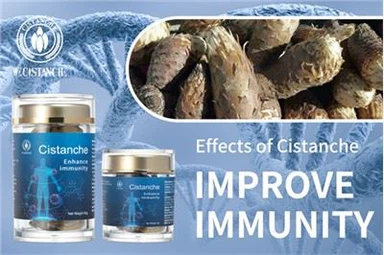
Natural Herbal Medicine For Relieving Constipation-Cistanche
Cistanche is a genus of parasitic plants that belongs to the family Orobanchaceae. These plants are known for their medicinal properties and have been used in Traditional Chinese Medicine (TCM) for centuries. Cistanche species are predominantly found in arid and desert regions of China, Mongolia, and other parts of Central Asia. Cistanche plants are characterized by their fleshy, yellowish stems and are highly valued for their potential health benefits. In TCM, Cistanche is believed to have tonic properties and is commonly used to nourish the kidney, enhance vitality, and support sexual function. It is also used to address issues related to aging, fatigue, and overall well-being. While Cistanche has a long history of use in traditional medicine, scientific research on its efficacy and safety is ongoing and limited. However, it is known to contain various bioactive compounds such as phenylethanoid glycosides, iridoids, lignans, and polysaccharides, which may contribute to its medicinal effects.

Wecistanche's cistanche powder, cistanche tablets, cistanche capsules, and other products are developed using desert cistanche as raw materials, all of which have a good effect on relieving constipation. The specific mechanism is as follows: Cistanche is believed to have potential benefits for relieving constipation based on its traditional use and certain compounds it contains. While scientific research specifically on Cistanche's effect on constipation is limited, it is thought to have multiple mechanisms that may contribute to its potential to relieve constipation. Laxative Effect: Cistanche has long been used in Traditional Chinese Medicine as a remedy for constipation. It is believed to have a mild laxative effect, which can help promote bowel movements and induce constipation. This effect may be attributed to various compounds found in Cistanche, such as phenylethanoid glycosides and polysaccharides. Moistening the Intestines: Based on traditional use, Cistanche is considered to have moisturizing properties, specifically targeting the Intestines. By promoting hydration and lubrication of the Intestines, may help soften tools and facilitate easier passage, thereby relieving constipation. Anti-inflammatory Effect: Constipation can sometimes be associated with inflammation in the digestive tract. Cistanche contains certain compounds, including phenylethanoid glycosides and lignans, that are believed to have anti-inflammatory properties. By reducing inflammation in the intestines, it may help improve bowel movement regularity and relieve constipation.