Still Constipated? Maybe The Body Is Missing This
Aug 17, 2023
Constipation is a very common problem! For some, it may be a small episode in life, but for some, it is torture every day! Every time I go to the toilet is a living "pain mask".

Click to immediate constipation relief
What counts as constipation?
According to the "Guidelines for Primary Diagnosis and Treatment of Chronic Constipation 2019": Constipation is characterized by difficulty in defecation and/or decreased frequency of defecation, dry and hard stools, and decreased frequency of defecation refers to less than 3 bowel movements per week. If constipation lasts for more than 6 months, it belongs to chronic constipation. Occasionally, if you have difficulty defecating in one day, but it returns to normal in a short period, it is not considered constipation, and there is no need to worry too much. It may be related to diet and exercise.
What are the dangers of constipation?
Constipation not only brings problems such as increased toilet time and poor bowel movements but also affects the health of the whole body. The common problems are as follows:
01 intestinal disorders
Constipation can cause problems such as abdominal slump, bloating, and abdominal pain, which in turn can induce various symptoms such as loss of appetite, indigestion, dry mouth, bad breath, and belching. It is also prone to proctitis, ulcers, gastrointestinal disorders, and even induces colorectal cancer.
02 Anal fissures, hemorrhoids
Defecation is always accompanied by severe pain during constipation, and the hard and dry stool makes this process even more painful, and some people even dare not go to the toilet, so that the stool stays in the intestinal tract for a longer time, which aggravates the blood circulation around the anorectum. Lead to protracted healing of anal fissures.
03 heart disease
Constipation may induce cardiovascular and cerebrovascular diseases, and straining to defecate may easily lead to angina pectoris, myocardial infarction, high blood pressure, cardiac insufficiency, arrhythmia, and other problems. Elderly people with underlying diseases should pay more attention.

04 psychological problems
Gastrointestinal function and psychological factors will influence each other. Many patients with constipation often experience negative emotions due to suffering from diseases for many years. Some people will suffer from insomnia and irritability due to this, resulting in decreased brain function, slow thinking, and depression and anxiety in severe cases.
05 affect skin condition
Long-term constipation will cause harmful substances to accumulate in the body, and the body's metabolism is prone to disorder, causing endocrine disorders, which can lead to facial pigmentation, chloasma, acne, dry hair, itchy skin, and other symptoms.
06 increased breast cancer risk
A study by the University of San Francisco School of Medicine showed that a considerable number of abnormal cells can be detected in the breast secretions of women with habitual constipation, especially those who defecate less than 3 times a week, the number of abnormal cells is higher than that of people with normal defecation. more than 5 times higher. Experts from the Institute of Cancer Research in Toronto, Canada found that there is a mutagen in the feces of people with constipation, which is similar to several known carcinogens. After the mutagen is absorbed through the intestinal tract, it can enter the relatively sensitive breast tissue with blood circulation, which significantly increases the possibility of breast cancer.

Causes of constipation
01 food intake is too small
Once the total amount of food is reduced to a certain level, the amount of residues from food digestion is also greatly reduced, which not only causes digestive enzyme secretion disorder, and gastric acid stimulation but also makes the intestinal tract dry out. There is not enough food residue to stimulate intestinal peristalsis. Loss of normal peristaltic excretion function.
02 too little fiber
The large intestine mainly relies on fiber to absorb water to fill its volume. If the dietary fiber is too low for a long time, the peristalsis of the large intestine will be seriously insufficient. Not only will the defecation speed be slow, but also the beneficial bacteria will lack the "food" needed for reproduction, which will greatly increase the risk of colon cancer.
03 Insufficient drinking water
Constipation occurs when the intestine absorbs excess water. Insufficient hydration, the intestines will absorb more water from the food residues in the intestines to replenish body fluids, resulting in dry stools and easy to cause constipation.
04 irregular diet
Lack of regularity in life, unable to develop the habit of eating and defecating regularly every day, prone to functional constipation, which is caused by intestinal dysfunction. In addition, people who are often constipated are prone to nervousness when defecating, and the more nervous they are, the more likely constipation will occur, forming a vicious circle.
05 Gut flora imbalance
The study found that Lactobacilli and Bifidobacteria were significantly lower in the intestines of constipated adults. Patients with constipated IBS showed a significant increase in Enterobacteriaceae and a significant decrease in the numbers of Bifidobacteria, Clostridium septum, and Faecalibacterium prausnitzii. It has also been found that the abundance of Prevotella was significantly reduced in patients with constipation, while some bacterial species of Firmicutes were significantly increased.
How to improve constipation?
To improve constipation, in addition to drug treatment, lifestyle intervention is also very important.
Lifestyle intervention mainly refers to taking in enough water and fiber, eating a reasonable diet, maintaining a moderate amount of exercise, and establishing good bowel habits. Generally, it is recommended to drink 1.5L~2L of water and consume 25g~35g of cellulose every day. According to your physical condition, you should have a fixed number of exercise times exercise time every week, because colon activity is most active in the morning and after meals, it is recommended that you develop a regular bowel movement habit after waking up in the morning or after meals, and the time for each bowel movement should not exceed 10 minutes. It can also increase the number of beneficial bacteria in the intestines, balance the intestinal flora, and improve constipation by supplementing an appropriate amount of probiotics.
The acidic substances produced by the metabolism of probiotics, such as lactic acid, can reduce the pH value of the intestines, increase the acidity of the intestines, improve the barrier protection of intestinal epithelial cells, and inhibit the reproduction of harmful bacteria. acid, butyric acid, etc., can stimulate intestinal wall nerves and improve intestinal peristalsis function.
Natural Herbal Medicine For Relieving Constipation-Cistanche
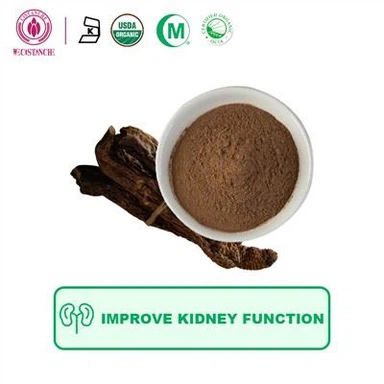
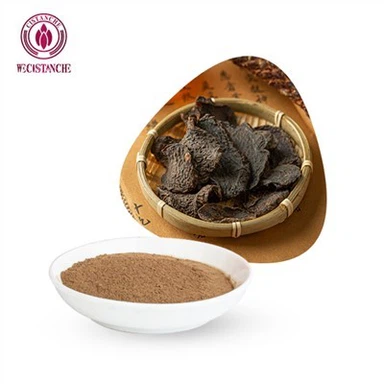
Cistanche is a genus of parasitic plants that belongs to the family Orobanchaceae. These plants are known for their medicinal properties and have been used in Traditional Chinese Medicine (TCM) for centuries. Cistanche species are predominantly found in arid and desert regions of China, Mongolia, and other parts of Central Asia. Cistanche plants are characterized by their fleshy, yellowish stems and are highly valued for their potential health benefits. In TCM, Cistanche is believed to have tonic properties and is commonly used to nourish the kidney, enhance vitality, and support sexual function. It is also used to address issues related to aging, fatigue, and overall well-being. While Cistanche has a long history of use in traditional medicine, scientific research on its efficacy and safety is ongoing and limited. However, it is known to contain various bioactive compounds such as phenylethanoid glycosides, iridoids, lignans, and polysaccharides, which may contribute to its medicinal effects.

Wecistanche's cistanche powder, cistanche tablets, cistanche capsules, and other products are developed using desert cistanche as raw materials, all of which have a good effect on relieving constipation. The specific mechanism is as follows: Cistanche is believed to have potential benefits for relieving constipation based on its traditional use and certain compounds it contains. While scientific research specifically on Cistanche's effect on constipation is limited, it is thought to have multiple mechanisms that may contribute to its potential to relieve constipation. Laxative Effect: Cistanche has long been used in Traditional Chinese Medicine as a remedy for constipation. It is believed to have a mild laxative effect, which can help promote bowel movements and induce constipation. This effect may be attributed to various compounds found in Cistanche, such as phenylethanoid glycosides and polysaccharides. Moistening the Intestines: Based on traditional use, Cistanche is considered to have moisturizing properties, specifically targeting the Intestines. By promoting hydration and lubrication of the Intestines, it may help soften tools and facilitate easier passage, thereby relieving constipation. Anti-inflammatory Effect: Constipation can sometimes be associated with inflammation in the digestive tract. Cistanche contains certain compounds, including phenylethanoid glycosides and lignans, that are believed to have anti-inflammatory properties. By reducing inflammation in the intestines, it may help improve bowel movement regularity and relieve constipation.