Study On The Effect Of Acteoside (an Active Ingredient in Cistanche Deserticola) On NAFLD By Inducing Autophagy
Feb 24, 2025
Abstract:
Objective:To explore the autophagy-inducing function of active ingredient Acteoside (ACT) in Cistanche deserticola and its effect on non-alcoholic fatty liver disease (NAFLD).
Methods To take echinacoside and ACT as research objects, 100μmol/L ACT and echinacoside (ECH) were combined with autophagy-lysosome inhibitor bleomycin A1 for intervention treatment. Protein immunoblotting was used to detect the relative expression level of autophagy marker protein microtubule associated protein 1 light chain 3 (LC3-II). HepG2 cells were intervened with different concentrations of ACT in vitro, and cell viability was detected using the tetrazolium salt method.In vitro intervention of HepG2 cells with different concentrations of ACT combined with balofloxacin A1, and detection of LC3-II protein expression levels using protein immunoblotting technology. A NAFLD model constructed in vitro with drug intervention was used to stain lipid droplets using Oil Red O staining method and detect intracellular triglyceride levels. Observe the localization of LC3 protein and lipid droplets through immunofluorescence technology. Results ACT can significantly induce autophagy in HepG2 cells, and the expression level of LC3-II protein is significantly increased compared to the control group (treated with ACT alone) (1.36 ± 0.11, 0.28 ± 0.02, respectively), with statistical significance (P0.05). 50 μmol/L ACT significantly induced autophagy in HepG2 cells, and the expression level of LC3-II protein was significantly increased (1.83±0.53, 0.35±0.18, respectively). The TG level of HepG2 cells in the ACT intervention group (19.11±1.68) was significantly lower than that in the NAFLD in vitro cell model group (34.15±1.90), and the differences were statistically significant (P<0.05). The number of positive lipid droplets in HepG2 cells in the ACT intervention group decreased significantly, and the number of autophagosomes inside the cells increased significantly, showing clear co localization with lipid droplets in space. Conclusion Cistanche deserticola ACT has significant autophagy induction ability, and it may have potential preventive and therapeutic effects on NAFLD.
Keywords: Nonalcoholic fatty liver disease;Cistanche deserticola;Acteoside;Autophagy

TCM herb cistanche for treatment of non-alcoholic fatty liver disease (NAFLD)
click the pic to get more details
In the past few decades, non-alcoholic fatty liver disease (NAFLD) has become the most common chronic liver disease, with a global prevalence of approximately 25% of the adult population, and is considered to be closely related to metabolic syndrome [1]. Although the probability of liver-related complications in NAFLD patients is less than 10%, NAFLD is a risk factor for liver-related diseases such as cirrhosis and primary liver cancer, which imposes a huge economic burden on patients [2-5]. Despite the increasing attention paid to NAFLD, NAFLD as an important chronic disease has not received sufficient attention. Therefore, further in-depth understanding of the pathogenesis of NAFLD and the search for effective treatment strategies have become urgent problems to be solved [6-7].
Recent studies have shown that cellular autophagy plays an important role in liver physiology and pathology [8]. Autophagy dysfunction or dysregulation is associated with a variety of liver diseases such as alcohol-related liver disease [9], NAFLD [10], non-alcoholic steatohepatitis [11], and hepatocellular carcinoma [12]. The pathological characteristics of NAFLD are excessive deposition of triglycerides (TG) and other neutral lipid droplets (LD) in hepatocytes under non-alcoholic stimulation. For the liver, the two main pathways regulating the catabolism of these LDs are lipolysis and autophagy.
The lipolysis pathway is regulated by cytoplasmic neutral lipases, such as hormone-sensitive lipase and adipose TG lipase. In the corresponding lipoautophagy pathway, LDs may be selectively taken up by directly recruiting autophagy-related proteins to form autophagosomes, and then the LDs encapsulated by autophagosomes are further delivered to lysosomes and decomposed by acid lipase in lysosomes. Therefore, activating lipoautophagy in hepatocytes has become an effective strategy for the prevention and treatment of NAFLD.
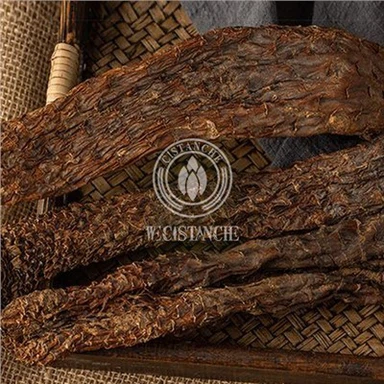
Cistanche deserticola is a precious Chinese herbal medicine that has been widely used in clinical practice in traditional Chinese medicine formulas. At the same time, it has long been used as a health food supplement. Cistanche deserticola contains a variety of bioactive ingredients, the most important of which is Cistanche deserticola phenylethanol glycosides. As representatives of phenylethanoid glycosides, echinacoside (ECH) and verbascoside (ACT) have been reported to have many important biological activities, such as antioxidant, neuroprotective, immunomodulatory, and liver protection [13]. In terms of liver protection, studies have found that ECH can protect the liver by reducing inflammatory mediators, inhibiting transforming growth factor-β, and reducing the expression level of liver fibrosis-related genes. ACT has a significant protective effect on chemical and drug-induced liver damage, such as alcohol, carbon tetrachloride, and lipopolysaccharide. ACT reduces oxidative stress caused by toxic chemicals, removes reactive oxygen accumulated in the liver, and reduces malondialdehyde concentration. At the same time, it significantly increases liver superoxide dismutase activity and reduced glutathione content, and significantly improves liver histopathological damage and apoptosis. However, there is no relevant literature report on whether phenylethanoid glycosides of Cistanche deserticola are involved in the process of autophagy in exerting liver protection. Based on this, this study used conventional cell biology methods and an in vitro cell model to preliminarily explore the autophagy-inducing effect of Cistanche deserticola phenylethanoid glycosides and explored its possible pharmacological functions, aiming to provide a scientific basis for future drug development.

1 Materials and methods
1.1 Materials
1.1.1 Research subjects ECH and ACT were used as research subjects.
1.1.2 Materials HepG2 cells were purchased from Wuhan Punosai Life Science Co., Ltd., ECH (batch number: B21209) and ACT (batch number: B20715, HPLC purity ≥98%) were purchased from Shanghai Yuanye Biological Company, DMEM high glucose medium (batch number: SH30243.01), phosphate buffer, and trypsin were purchased from HyClone Company, USA, fetal bovine serum (batch number: 04-002-1A) was purchased from BI Company, Israel, penicillin/streptomycin (batch number: SV30010.01) was purchased from Hyclone Company, USA, MTT (batch number: M8180) powder was purchased from Solebao Company, Beijing, China, TG (batch number: BC0625) detection kit was purchased from Solebao Company, Beijing, China, Oil Red O (lot number: O0625-100G), dimethyl sulfoxide (lot number: BCBZ1685) were purchased from Sigma-Aldrich, USA; the autophagy-lysosome inhibitor bafilomycin A1 (BafA1, lot number: tlrl-baf1) was purchased from Invitrogen, USA; the autophagy activator rapamycin (lot number: S17098) was purchased from Shanghai Yuanye Biotechnology Co., Ltd., China; microtubule-associated protein 1 light chain 3 (LC3, lot number: L7543, species: rabbit, dilution ratio: 1:1 000) and β-actin (lot number: ZRB1312, species: rabbit, dilution ratio: 1:5 000) antibodies were purchased from Sigma-Aldrich, USA; horseradish peroxidase-labeled secondary antibody (lot number: 4010-05, species: goat anti-rabbit, dilution ratio: 1:1 000) was purchased from Southern Biotech, USA Company, Alexa Fluor fluorescent labeled secondary antibody (lot number: 43328, wavelength: 546, dilution ratio: 1:1000) was purchased from Sigma-Aldrich Company, USA, and BODIPY 493/501 (lot number: D3922) was purchased from Invitrogen Company, USA.

1.2 Methods
1.2.1 Cell culture
HepG2 cells were cultured in Dulbecco's modified Eagle high glucose medium containing 10% fetal bovine serum, 100 U/mL penicillin and 100 μg/mL streptomycin in a 37 ℃, 5% carbon dioxide incubator. When the cell confluence reached 85%, subculture, plating, intervention and other operations were performed.
1.2.2 Protein immunoblotting detection
1.2.2.1 ACT and ECH treatment
LC3-Ⅱ protein expression level in HepG2 cells BafA1, as a proton pump inhibitor, can cause LC3-Ⅱ protein to aggregate in large quantities in cells, thereby amplifying the autophagy induction ability. Therefore, the combined use of BafA1 can be used as an autophagy monitoring system to evaluate the autophagy induction ability. HepG2 cells in the logarithmic growth phase were transferred to 3.5 cm cell culture dishes for overnight culture. 100 μmol/L ACT, ECH and BafA1 were used for intervention for 12 h. The cells were washed with pre-cooled phosphate buffer solution (PBS) and immediately lysed in RIPA protein lysis buffer for 10 min. The supernatant was centrifuged and the total protein concentration was determined using a bicinchoninic acid protein concentration assay kit. After quantification with sodium dodecyl sulfate buffer, the sample was heated at 95 °C for 10 min to denature the protein. Then 30 μL of the sample was taken with a micropipette and electrophoresed on a polyacrylamide gel.
After the electrophoresis, the protein was transferred from the gel to a nitrocellulose membrane, blocked with 10% milk overnight, incubated with a specific primary antibody at room temperature for 1 h, washed with phosphate buffer containing 0.5% Triton, and incubated with a specific secondary antibody at room temperature for 1 h. The ECL method was used for color development. They were set as blank control group, rapamycin group, ECH group, ACT group, rapamycin+BafA1 group, ECH+BafA1 group and ACT+BafA1 group.
1.2.2.2 Different concentrations of ACT intervened the expression level of LC3-Ⅱ protein in HepG2 cells
The logarithmic growth phase HepG2 cells were transferred to 3.5 cm cell culture dishes for overnight culture, and 25, 50, and 100 μmol/L ACT combined with BafA1 were used for intervention treatment for 12 h, and the expression level of LC3-Ⅱ protein was detected by protein immunoblotting. The control group (CON group, blank control), starvation group (STA group, starvation treatment HepG2 cells), 25, 50, and 100 μmol/L ACT group, and BafA1 combined with 25, 50, and 100 μmol/L ACT group were set up.
1.2.3 MTT method to detect the survival rate of HepG2 cells treated with different concentrations of ACT for 24 and 48 h
HepG2 cells in the logarithmic growth phase were inoculated in a 96-well plate with a moderate inoculation density and cultured in an incubator for 12 h. 20, 40, 60, 80, and 100 μmol/L ACT were added for 24 and 48 h. 0.5 mg/mL MTT solution was added in a dark environment and incubated in an incubator. After 4 h, the supernatant was discarded, 100 μL of dimethyl sulfoxide was added to each well, and the cells were shaken in a constant temperature shaker at 37 °C for 10 min. The optical density (OD) value at a wavelength of 490 nm was detected by an enzyme marker, and the cell survival rate was calculated.
1.2.4 In vitro construction of NAFLD cell model
A certain weight of palmitic acid (PA) was weighed and fully dissolved in a certain volume of isopropanol to prepare a 100 mmol/L PA stock solution, which was then divided and stored in a -20 ℃ refrigerator for later use. The PA stock solution was diluted to 100 μmol/L using complete culture medium, and 1% fatty acid-free bovine serum albumin was added. The cells were incubated at 37 ℃ for 3 h to prepare the induction solution. HepG2 cells in the logarithmic growth phase were transferred to a 3.5 cm cell culture dish at an appropriate density for overnight culture, and then the prepared induction solution was used for intervention.
1.2.5 ACT intervention NAFLD in vitro cell model TG detection and Oil Red O staining
1.2.5.1 TG detection
HepG2 cells in the logarithmic growth phase were transferred to a 3.5 cm cell culture dish for culture according to the blank control group, model group and ACT intervention group. The model group was induced with 100 μmol/L PA induction solution, and the ACT intervention group was induced with 100 μmol/L PA induction solution and 50 μmol/L ACT was added at the same time. The intervention time was 24 h. Gently remove the old culture medium, slowly wash the cell surface with pre-cooled PBS once, add 100 μL/dish of pre-cooled RIPA lysis solution, fully lyse on ice for 15 min, centrifuge at 4 ℃ and 12 000 r/min for 10 min, collect the supernatant, take 10 μL for enzymatic detection of TG level, take another 10 μL for protein content detection, detect TG according to the TG kit instructions, and finally correct the TG level per mg of protein.

1.2.5.2 Oil Red O staining
HepG2 cells in the logarithmic growth phase were transferred to a 3.5 cm culture dish covered with a sterile coverslip for overnight culture. 100 μmol/L PA induced the cells to form lipid droplets. At the same time, 50 μmol/L ACT was added for intervention for 24 h.
The cell slides were collected, washed 3 times with pre-cooled PBS, fixed with 4% formaldehyde at room temperature for 10 min, washed the cell surface with PBS, added the prepared Oil Red O staining working solution, stained at room temperature in the dark for 15 min, aspirated the Oil Red O staining solution, washed the excess staining solution with double distilled water, rinsed with 60% isopropanol, washed with double distilled water, and sealed, and photographed under a microscope.
1.2.6 Immunofluorescence observation of autophagosomes and lipid droplets after ACT treatment
HepG2 cells in the logarithmic growth phase were transferred to a 3.5 cm culture dish covered with a sterile coverslip for overnight culture. 100 μmol/L PA was used to induce the formation of lipid droplets in the cells. At the same time, ACT was added for intervention treatment for 24 h. The cell slides were collected, washed 3 times with pre-cooled PBS, fixed at room temperature for 10 min with 4% formaldehyde, permeabilized at room temperature for 15 min with a permeabilization buffer containing 0.1% saponin, blocked at room temperature for 1 h with goat serum, incubated at room temperature for 1 h with LC3-specific primary antibody, washed 3 times with PBS, and added with a specific fluorescent-labeled secondary antibody, incubated at room temperature and away from light for 1 h. After the antibody incubation, the slides were washed 3 times with PBS, counterstained with lipid droplet-specific probe BODYPY 493/503 at room temperature for 10 min, washed with PBS, and sealed with anti-fading sealing medium, air-dried in the dark, observed with a laser confocal microscope, and recorded. The blank control group, rapamycin treatment group and ACT intervention group were set.
1.3 Statistical analysis
SPSS25.0 statistical software was used for data analysis. The quantitative data were expressed as x±s. One-way analysis of variance and LSD-t test were used. P<0.05 was considered statistically significant.