Survey Of Endocrinologists Managing Recovery From Anabolic Androgenic Steroid Induced Hypogonadism
Jun 08, 2023
Lay summary
Anabolic steroids (also known as ‘steroids’) are banned drugs like testosterone, which make muscles bigger in men. These drugs are dangerous because they stop the testes from making natural testosterone and can cause heart attacks. Men stopping steroids have very low testosterone, which makes them feel weak, depressed, suicidal, infertile, and unable to have erections.

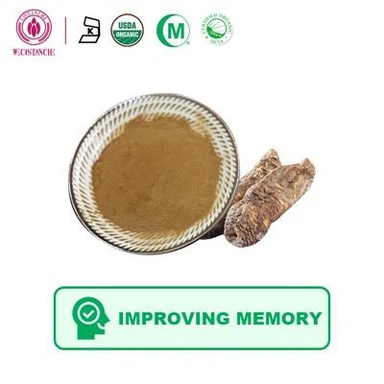
Click to cistanche tubulosa Australia
We surveyed over 100 doctors to find out how they treat men giving up steroids. We report that doctors differ widely in the way they treat these men. Most doctors simply advise men to wait for the natural recovery of testosterone levels to happen. But 20% of doctors give men drugs to boost testosterone and make men feel better.
Unfortunately, many patients had not recovered by the time of our survey. In summary, our survey highlights differences and limitations in the treatment of men giving up steroids. The use of steroids is increasing rapidly among young men, so we recommend further work to improve the treatment of men who are motivated to give up steroids.

Anabolic-androgenic steroids (AAS) are a diverse range of drugs including testosterone derivates, gonadotrophins such as human chorionic gonadotrophin, and selective estrogen receptor modulators (SERMs), which have direct or indirect androgen actions in the body. AAS are abused by men to artificially increase physical strength and muscular development (Anawalt 2019, Mullen et al. 2020).

The lifetime prevalence of AAS use in men is estimated to be 1–5% worldwide (Anawalt 2019). Furthermore, the UK National Crime Survey of England and Wales estimated over 400,000 men used AAS, which represents an approximate doubling over 10 years (Mullen et al. 2020). AAS profoundly suppresses endogenous testosterone secretion through negative feedback on gonadotrophin-releasing hormone secretion. AAS cessation causes hypogonadism, often persisting for months to years (Kanayama et al. 2015, Shankara-Narayana et al. 2020), and commonly causes sexual dysfunction, infertility, depression, and suicidal ideation.
Men with AASinduced hypogonadism are routinely referred to hospital Endocrinology clinics. However, there are currently no management guidelines or recommended therapies for men with AAS-induced hypogonadism. The clinical management of AAS-induced hypogonadism by clinicians has been under-reported. To address this, we conducted a voluntary, anonymous survey among attendees at the 2022 Endocrine Academy Clinical Update, organized by the Society for Endocrinology.
Attendees included trainees (48%), consultants (16%), endocrine nurses (23%), and ‘other’ (13%). Questions covered experience, patient symptoms, patient outcomes, and confidence in managing men with AAS use (Supplemental Table 1, see the section on supplementary materials given at the end of this article). In total, 101 delegates responded to the survey of which 81 (80.2%) had experience reviewing someone recently stopping AAS. Clinicians had most commonly (30%) seen men within 3 months of AAS cessation (Fig. 1A).

Frequently reported symptoms were reduced sex drive (77.8%), tiredness (70.4%), low mood (63%), and physical weakness (51.1%). Most (84%) responding clinicians advised men with AAS-induced hypogonadism to wait until symptoms resolved without any other treatment (Fig. 1B). The remaining 13 (16%) respondents provided hormonal treatment for symptoms.
Most respondents (46/78; 59%) stated that their patient was still attending the clinic and experiencing symptoms of hypogonadal symptoms, as shown in Fig. 1C. Only a minority of respondents (18/92, 20%) were confident or extremely confident treating AASinduced hypogonadism. AAS use is rising rapidly within the young male population, so endocrinologists may expect increasing numbers of referrals for managing AAS-induced hypogonadism.
Our survey is limited by potential recall bias, but reassuringly reports symptoms of AAS in agreement with prior research (Kanayama et al. 2015, Anawalt 2019). Importantly, we highlight divergence among clinicians in treating AAS-induced hypogonadism, either conservatively or with hormonal treatment (such as testosterone or SERM).
It is also unsurprising that few endocrinologists were confident about treating AAS-induced hypogonadism, partly explained by the perception that their knowledge about AAS is inferior to fitness coaches, bodybuilding websites, and other AAS users (Bonnecaze et al. 2020). We cannot exclude differences in knowledge between consultant endocrinologists compared with trainees.

We suggest further studies aim to define AAS-induced hypogonadism as a separate entity. This would support the development of evidence-based treatments and clinical guidance to optimize reproductive recovery in men motivated to stop AAS.
the mechanism of Cistanche improves sexual ability
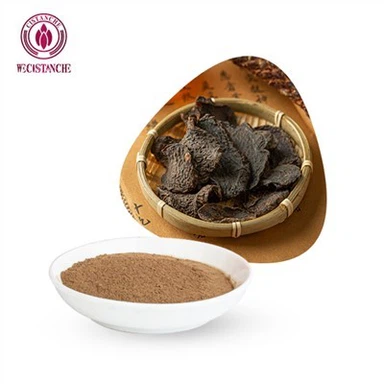
Cistanche is an herb that has been traditionally used in Chinese medicine to improve sexual function and overall vitality. It contains several active compounds such as echinacoside, acteoside, and cistanosides, which are responsible for its medicinal properties. The mechanism by which Cistanche improves sexual ability is not yet fully understood, but some studies suggest that it may have the following effects:
Boosts testosterone levels: Cistanche has been observed to increase testosterone levels in animal studies, which may enhance sexual function in men and women.
Improves blood circulation: Cistanche has vasodilatory properties, which means that it widens blood vessels and improves blood flow to the genitals. This increased blood flow may enhance sexual arousal and improve sexual function.
Enhances libido: Cistanche has been observed to improve sexual desire or libido in animal studies. This may be due to its ability to increase testosterone levels and enhance blood flow to the genitals.
Reduces sexual dysfunction: Cistanche has been observed to improve sexual dysfunction symptoms such as erectile dysfunction and premature ejaculation in animal studies. This may be due to its ability to improve blood flow to the genitals and increase testosterone levels.
Overall, the multiple effects of Cistanche on sexual function suggest that it is an effective natural remedy for those seeking to improve their sexual ability.