TCM Herb For Osteoporosis? Exploring Harpagide And Cistanche As Natural Therapeutics For Bone Loss And Atherosclerosis
Jan 07, 2026
Author: GPT Research Writer
Date: January 7, 2026
Keywords: TCM herb for osteoporosis, harpagide, cistanche, bone resorption, PPARγ/ERRα/PGC-1β pathway, atherosclerosis, traditional Chinese medicine
TCM herb for osteoporosis

Introduction
Osteoporosis (OP) is a systemic metabolic bone disease that affects over 200 million people globally, characterized by progressive reduction of bone mass, degradation of bone microarchitecture, and increased fracture risk. As the population ages, the global burden of osteoporosis is expected to rise, with osteoporotic fractures projected to reach 5.99 million annually by 2050. While conventional therapies such as bisphosphonates, vitamin D analogs, calcitonin, and parathyroid hormones offer benefits, their long-term use is often accompanied by side effects including gastrointestinal intolerance and thrombotic risk.
In response, traditional Chinese medicine (TCM) has gained attention for its holistic approach and lower toxicity profile, especially natural herbs with bone-protective properties. Among them, harpagide, a key iridoid glycoside from Scrophularia ningpoensis (玄参, Xuanshen), and cistanche glycosides (GCs) from Cistanche deserticola have emerged as promising candidates for managing osteoporosis and bone loss associated with atherosclerosis (AS).

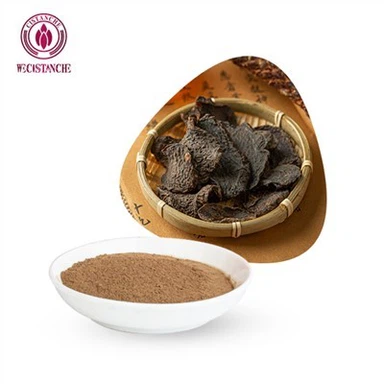
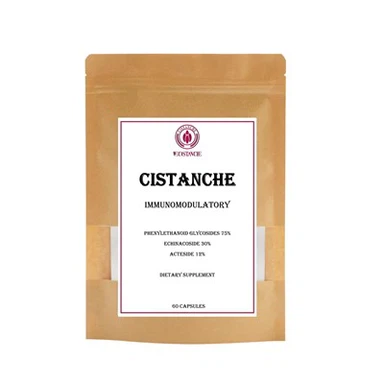
TTCM HERB CISTANCHE EXTRACT FOR OSTEOPOROSIS (OP)

Supportive Service Of Wecistanche-For more details about cooperation
Email:wallence.suen@wecistanche.com
The Interrelationship Between Atherosclerosis and Osteoporosis
Atherosclerosis is a chronic inflammatory condition characterized by arterial plaque formation and vascular narrowing. Epidemiological studies have reported a strong correlation between AS and OP, indicating shared pathological mechanisms, particularly lipid metabolism disorders. Dyslipidemia not only promotes plaque formation in arteries but also disrupts the balance between bone resorption and bone formation, ultimately contributing to bone density loss.
This dual-pathology presents a unique challenge-and opportunity-for therapeutic intervention aimed at restoring both cardiovascular and skeletal health.

Harpagide: Regulating Bone Resorption via PPARγ/ERRα/PGC-1β Pathway
Study Overview
A recent animal study investigated the effects of harpagide (20 mg/kg) on lipid and bone metabolism in ApoE−/− mice fed a high-fat diet to induce AS. Mice were divided into four groups: control, model (AS), atorvastatin (2.6 mg/kg), and harpagide. After 9 weeks of intervention, multiple analyses were conducted:
Bone microstructure: via micro-CT
Bone material composition: via FTIR spectroscopy
Osteoclast activity: via TRAP staining
Serum markers: TC, LDL-C, HDL-C, CTX-1, TRAP
Protein expression: NFATc1, c-Fos, cathepsin K, PGC-1β, ERRα, PPARγ (Western blotting)
Results
Harpagide improved bone architecture and mineral composition (↑BMD, ↑BV/TV).
It reduced serum lipids, including TC and LDL-C.
Significantly inhibited bone resorption markers, including TRAP and CTX-1.
Downregulated key osteoclastogenic and lipid metabolism proteins:
c-Fos
NFATc1
Cathepsin K
PPARγ
ERRα
PGC-1β
Mechanism
Harpagide's mechanism centers on inhibiting the PPARγ/ERRα/PGC-1β signaling pathway, a transcriptional network crucial for both lipid and bone metabolism. PPARγ, originally identified as a regulator of adipocyte differentiation, also promotes osteoclastogenesis via c-Fos activation. ERRα and PGC-1β, downstream targets of PPARγ, enhance mitochondrial biogenesis and osteoclast activity, contributing to bone loss.
By suppressing this axis, harpagide exerts dual benefits: ameliorating dyslipidemia and reducing bone resorption, making it a potent candidate for treating OP–AS comorbidity.

Cistanche: A Classical TCM Herb with Modern Potential
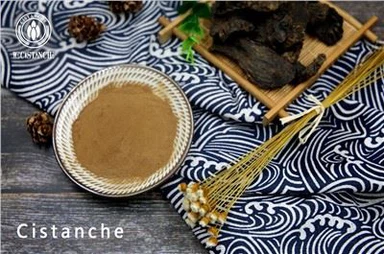
Cistanche (Cistanche deserticola), known as "Desert Ginseng" in TCM, is traditionally used to tonify kidney yang, strengthen bones, and boost immunity. Recent pharmacological studies support its application in osteoporosis through its active compounds-glycosides of cistanche (GCs)-which exhibit:
Mechanisms of Action
Antioxidant Activity
GCs scavenge free radicals and reduce oxidative stress in bone tissue.
Anti-inflammatory Effect
GCs inhibit inflammatory mediators like NO and IL-6, alleviating chronic inflammation linked to OP.
Bone Metabolism Regulation
GCs promote osteoblast proliferation and inhibit osteoclast differentiation, increasing BMD and reducing fracture risk. They also affect hormone levels and calcium-phosphorus homeostasis.
Modulation of Key Signaling Pathways
OPG/RANKL/RANK: GCs enhance OPG and suppress RANKL, inhibiting osteoclast activation.
Wnt/β-Catenin: Supports osteoblast differentiation and bone formation.
Read more about the role of cistanche in osteoporosis:
https://www.xjcistanche.com/news/cistanche-in-the-treatment-of-osteoporosis-85229223.html
Clinical Significance and Future Outlook
The intersection of cardiovascular and skeletal disorders such as AS and OP demands integrated treatment strategies. Natural compounds like harpagide and cistanche glycosides offer a dual-action approach-targeting both lipid metabolism and bone resorption.
Given their efficacy in preclinical models, further clinical trials are warranted to:
Confirm safety and tolerability in humans
Identify optimal dosing regimens
Explore synergistic effects with conventional therapies
As population aging accelerates, TCM-based interventions may become cornerstones of preventive and therapeutic regimens for age-related diseases.
Conclusion
The use of TCM herbs for osteoporosis, particularly harpagide from Scrophularia ningpoensis and glycosides from cistanche, represents a scientifically grounded, holistic approach to managing bone loss in complex metabolic conditions like atherosclerosis.
By modulating the PPARγ/ERRα/PGC-1β pathway and enhancing bone metabolism through multiple signaling cascades, these herbal compounds offer a promising natural solution to the global osteoporosis challenge.
References
(Reference numbers as seen in original article are placeholders for citation formatting.)