The Culprit Behind Dialyzer Clotting!
Jan 26, 2024
Recently, everyone has begun to pay attention to the issue of "dialyzer coagulation", mainly for the following reasons: first, the coagulation classification of dialyzers has been widely valued; second, coagulation due to improper operation or poor biocompatibility of dialyzers; third, anti- The coagulant is too uniform. For these reasons, it is necessary to review the causes of coagulation. If there are any deficiencies, please leave a message to criticize and correct me!

Click to Cistanche for kidney disease
Dialyzer clotting can cause harm such as reduced dialysis effectiveness, blood loss, thrombosis, organ ischemia, and increased risk of infection.
So, what are the reasons that make dialyzer clotting "imperative"?
1 Is the "dialysis membrane" the cause of the "trouble"?
The core part of the dialyzer is the dialysis membrane. The membrane material has poor biocompatibility, which will cause the coagulation system to be activated. In addition, the thickness, geometry, and manufacturing process of the dialysis membrane, as well as the lack of smooth walls and rough workmanship of the blood pipelines, etc., will all affect the dialysis membrane. Adversely affects the patient's coagulation mechanism, leading to coagulation during dialysis.
Reusing the dialyzer too many times will also have an impact on coagulation (it is rarely used at present);
Before dialysis treatment, relevant parameters (such as ultrafiltration rate) need to be accurately controlled, otherwise coagulation will occur more easily.
Some studies [1] recommend the selection of pipelines and dialyzers with good biocompatibility such as polyacrylonitrile membrane, polyamide membrane, polysulfone membrane, and blood imitation membrane dialyzer.
2. It may also be caused by "pre-flush"
The pipeline preflush was not carried out according to the operating procedures, and the effective preflush liquid volume and pump speed did not meet the standards, resulting in air bubbles remaining in the dialyzer.
Correct safety preflush must be implemented:
The quality of dialyzer priming has a great impact on the adequacy and safety of dialysis. Strictly abide by the "Standard Operating Procedure for Blood Purification" (2021 Edition). When the blood pump is 80-100ml/min, use normal saline to drain the gas in the dialysis pipeline and the blood chamber (in the membrane) of the dialyzer (the flow direction of normal saline is to the arterial end → Dialyzer → venous end, reverse flushing is not allowed); then adjust the pump speed to 200~300ml/min, connect the dialysate connector and the dialyzer bypass, and drain the gas in the dialysate chamber (outside the membrane) of the dialyzer. The pre-fluid volume reaches more than 800 ml.

We need to pay attention to a few points:
During dialysis, the joints of the pipelines in front of the pump are not tightly connected, and air can easily enter the pipelines. When it enters the dialyzer membrane, it can easily cause the patient's blood clotting;
During the preflush process, if necessary, add ultrafiltration preflush to maximize the effectiveness of the preflush. It is also important to fully humidify the dialysis membrane;
Without heparin dialysis, I do not recommend pre-flushing the pipeline and dialyzer with saline.
3. The patient has hypercoagulation and insufficient anticoagulants.
1. Hypercoagulability-inducing factors are divided into two types [2]:
First, the coagulation system is activated and platelet activity increases, indicating that blood clotting is easy under hypercoagulable conditions. It is reported that the interaction between blood and dialysis membrane activates monocytes, increases interleukin 1 and tumor necrosis factor α, and stimulates vascular endothelial cells to induce TF production.
Secondly, high blood lipids and high hemoglobin can also cause blood viscosity and hypercoagulability.
Doctors and nurses can give patients dietary guidance, and patients with hyperlipidemia should eat a light diet.
Patients with abnormal coagulation function and those taking erythroblast-stimulating hormones should have routine blood tests and coagulation indicators reviewed regularly.
Avoid infusion of biologics, and if necessary, infuse in the non-dialysis side of the limb.
According to the actual situation of the patient, increase the dosage of anticoagulant within the allowable range; closely monitor the coagulation phenomenon of the dialyzer during dialysis, and instruct the patient to check blood routine regularly. Patients with high hemoglobin need to reduce the dosage of erythropoietin; and pay attention to patient complications. If it happens, ask them to regularly monitor blood cells and blood biochemistry to control the inflammatory reaction as soon as possible.
2. Insufficient amount of heparin:
The application of heparin anticoagulation is divided into three steps: flushing, in vivo injection of heparin, and in vitro heparinization. Insufficient heparin is also a direct factor causing coagulation.
(Relatively without heparin pre-flushing) The flushing speed is related to the heparinization status of the dialyzer. A faster speed will reduce the degree of heparinization and lead to insufficient heparinization.
For patients with strong coagulation function, conventional doses may cause insufficient heparin to cause coagulation.
Insufficient heparin may also occur if the amount of heparin pumped by the extracorporeal heparin pump is low.
The doctor failed to give and promptly adjust the dosage of the anticoagulant according to the patient's actual condition;
The dialysis time was prolonged without increasing the heparin dosage.
4 Ultrafiltration volume is too large
Excessive weight gain will cause the ultrafiltration volume to exceed 5% of body weight.
Patients are required to strictly control the amount of water intake, and the weight gain between dialysis periods is less than 3% to 5% of the body weight. To avoid hemoconcentration caused by excessive ultrafiltration, attention must be paid to "dehydration speed" and volume management.
During hemofiltration, excessive replacement fluid volume will cause excessive blood concentration and increase the risk of dialyzer coagulation. Appropriate replacement fluid volume requires a safe replacement fluid volume.
5 insufficient blood flow
Slow blood flow is an important cause of coagulation. The lower the blood flow speed, the easier it is for coagulation to occur. When there is insufficient blood flow, it is easy to cause the machine to frequently alarm and stop the blood pump. The air generated during blood pipeline suction enters the extracorporeal circulation and can easily cause dialysis coagulation.
Causes of insufficient blood flow include:
① The catheter inserted into the deep vein is broken or wall-suctioned, and there is a thrombus in the lumen;
② The patient's hemodynamic changes, hypotension caused by the use of antihypertensive drugs before dialysis, excessive ultrafiltration during dialysis, etc.;
The patient's vascular condition is poor;
④Nursing staff's poor puncture skills lead to failure of blood vessel puncture
High blood flow can prevent blood cells from gathering to form a thrombus and cause coagulation.
Especially during heparin-free dialysis, the blood flow should be adjusted to 250 to 300 mL/min or even higher according to the patient's condition and vascular access conditions.
Medical staff master the correct arteriovenous fistula puncture methods and deep vein catheter maintenance techniques and develop personalized puncture plans based on the patient's arteriovenous fistula condition.

For blood vessels that are difficult to puncture, puncture should be performed by experienced senior nurses under the guidance of B-ultrasound.
Assess the patient's vascular access condition before treatment. Dialysis treatment can only be performed when the patient's blood flow meets the dialysis requirements.
Summarize
If coagulation in the dialyzer is found during dialysis, appropriate measures should be taken, such as adjusting the dose of anticoagulant drugs, replacing the dialyzer, or adjusting dialysis parameters, to stop the loss in time to reduce the harm of coagulation to the body.
How Does Cistanche Treat Kidney Disease?
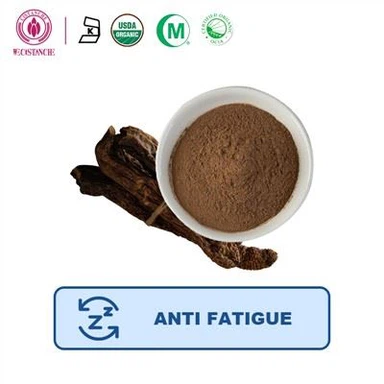
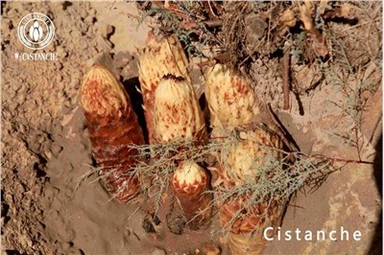
Cistanche is a traditional Chinese herbal medicine used for centuries to treat various health conditions, including kidney disease. It is derived from the dried stems of Cistanche deserticola, a plant native to the deserts of China and Mongolia. The main active components of cistanche are phenylethanoid glycosides, echinacoside, and acteoside, which have been found to have beneficial effects on kidney health.
Kidney disease, also known as renal disease, refers to a condition in which the kidneys are not functioning properly. This can result in a buildup of waste products and toxins in the body, leading to various symptoms and complications. Cistanche may help treat kidney disease ase through several mechanisms.
Firstly, cistanche has been found to have diuretic properties, meaning it can increase urine production and help eliminate waste products from the body. This can help relieve the burden on the kidneys and prevent the buildup of toxins. By promoting diuresis, cistanche may also help Reduce high blood pressure, a common complication of kidney disease.
Moreover, cistanche has been shown to have antioxidant effects. Oxidative stress, caused by an imbalance between the production of free radicals and the body's antioxidant defenses, plays a key role in the progression of kidney disease. ies help neutralize free radicals and reduce Oxidative stress, thereby protecting the kidneys from damage. The phenylethanoid glycosides found in cistanche have been particularly effective in scavenging free radicals and inhibiting lipid peroxidation.
Additionally, cistanche has been found to have anti-inflammatory effects. Inflammation is another key factor in the development and progression of kidney disease. Cistanche's anti-inflammatory properties help reduce the production of pro-inflammatory cytokines and inhibit the activation of inflammation mandatory pathways, thus alleviating inflammation in the kidneys.

Furthermore, cistanche has been shown to have immunomodulatory effects. In kidney disease, the immune system can be dysregulated, leading to excessive inflammation and tissue damage. Cistanche helps regulate the immune response by modulating the production and activity of immune cells, such as T cells and macrophages. This immune regulation helps reduce inflammation and prevent further damage to the kidneys.
Moreover, cistanche has been found to improve renal function by promoting the regeneration of renal tubes with cells. Renal tubular epithelial cells play a crucial role in the filtration and reabsorption of waste products and electrolytes. In kidney disease, these cells can be damaged, leading to damaged renal function. Cistanche's ability to promote the regeneration of these cells helps restore proper renal function and improve overall kidney health.
In addition to these direct effects on the kidneys, cistanche has been found to have beneficial effects on other organs and systems in the body. This holistic approach to health is particularly important in kidney disease, as the condition often affects multiple organs and systems. che has been shown to have protective effects on the liver, heart, and blood vessels, which are commonly affected by kidney disease. By promoting the health of these organs, cistanche helps improve overall kidney function and prevent further complications.
In conclusion, cistanche is a traditional Chinese herbal medicine used for centuries to treat kidney disease. Its active components have diuretic, antioxidant, anti-inflammatory, immunomodulatory, and regenerative effects, which help improve renal function and protect the kidneys from further damage. , cistanche has beneficial effects on other organs and systems, making it a holistic approach to treating kidney disease.