

The Data Of The Chinese Subgroup Of The FIDELITY Study Has Been Updated, Adding New Evidence For Clinical Application in Chinese Patients!
Apr 17, 2024
Type 2 diabetes-related chronic kidney disease (CKD) is a hot topic in the field of kidney disease. my country has a heavy burden of CKD. With the increase in the prevalence of diabetes, diabetes-related CKD has become the leading cause of hospitalization for CKD in my country [1,2]. Previous studies have confirmed that compared with Westerners, Asian diabetic patients are more likely to have kidney disease and proteinuria, and have higher proteinuria levels, a greater risk of progression to end-stage renal disease (ESRD), and a significantly increased cardiovascular (CV) risk [2 -7], so the need for treatment is more urgent. As the world's first new nonsteroidal mineralocorticoid receptor antagonist (nsMRA) approved for the treatment of type 2 diabetes-related CKD, fenceline has undergone multiple large-scale clinical studies such as FIDELIO-DKD, FIGARO- Both DKD and the FIDELITY study, a summary analysis of the above two, have confirmed that it has a significant renal and cardioprotective effect [8-10].

This year's World Congress of Nephrology (WCN) was grandly held in Buenos Aires, Argentina from April 13th to 16th. Many experts and scholars with rich experience and profound knowledge in the field of kidney disease witnessed a wonderful event. Academic feast! The venue update displayed the latest research results of the Chinese subgroup analysis of a FIDELITY study by our Chinese scholars, shared China's experience on the international academic platform, and conveyed the voice of China. As the Chinese chief investigator of the FIDELITY study, I am very honored to be able to go on the road of exploration with all my colleagues to explore the renal and heart benefits of fenelidone in Chinese patients. This study shows that fenelidone can effectively delay the decline of eGFR and reduce UACR in terms of renal and cardiac outcomes in patients with type 2 diabetes-related CKD, confirming that Chinese patients can achieve greater renal benefits and consistent cardiac benefits. level, and is well tolerated in the Chinese population [11], which greatly improves the evidence-based basis for fenelidone in the treatment of Chinese type 2 diabetes-related CKD patients! At present, fenelidone has been included in the national medical insurance. The new era is exciting, and the new journey has a long way to go. We still need to continue to explore more and higher-quality research data on fenelidone in China, in order to continue to play an outstanding role in the world. Chinese influence!
China subgroup study design and baseline characteristics of enrolled patients
The FIDELITY study is a pooled analysis of two large phase III randomized controlled clinical trials of fenelidone - FIDELIO-DKD and FIGARO-DKD. A total of 13,026 patients with type 2 diabetes-related CKD (urinary albumin/creatinine ratio [UACR] ≥30 and <300mg/g and glomerular filtration rate [eGFR] ≥25 and ≤90mL/min/1.73㎡, or UACR≥300 and ≤5000mg/g and eGFR≥25mL/min/1.73㎡, serum potassium≤ 4.8 mmol/L and receiving maximizing renin-angiotensin system inhibitor [RASi] therapy). Among them, 697 patients were enrolled in China and randomly assigned to the fenelidone group and the placebo group in a 1:1 ratio. The primary endpoints of the study were a composite renal outcome (development of renal failure, a decrease in eGFR of ≥57% from baseline that persisted for at least 4 weeks, or renal death) and a cardiovascular composite outcome (CV death, nonfatal myocardial infarction, nonfatal stroke, or HF). hospitalization). Secondary renal composite outcomes included time to renal failure, sustained eGFR decline of ≥40% from baseline for more than 4 weeks, or renal death. Safety was assessed by treatment-related adverse events and relevant laboratory parameters (e.g., serum potassium). The baseline of the Chinese subgroup showed that Chinese patients had higher baseline UACR levels, lower body mass index (BMI), and a lower proportion of combined cardiovascular disease (Table 1).
Major update of Chinese subgroup data: Fenelidone significantly reduces the risk of renal composite outcome in Chinese patients by 43% and delays the decline of eGFR in the Chinese population
The results of the FIDELITY Chinese subgroup analysis study showed that compared with placebo, fenelidone significantly reduced the risk of the composite renal outcome in Chinese patients with type 2 diabetes-related CKD by 43% (HR 0.57; 95%CI 0.38-0.86; p= 0.0066). The Chinese subgroup of fenelidone can achieve the same CV composite outcome benefit as the global population, with a downward trend (HR 0.82; 95% CI 0.52-1.29; p=0.3866). Fennelidone also significantly reduced the risk of the key secondary renal composite outcome in Chinese patients with type 2 diabetes-related CKD by 46% (HR 0.54; 95% CI 0.40-0.74; p<0.0001).
Notably, in the overall Chinese population, the placebo-adjusted least squares mean (LS) change in eGFR slope from baseline to end of treatment was 2.07 ml/min/1.73 m2/year with fenelidone, The change in eGFR slope was −3.98ml/min/1.73㎡/year in the fenelidone group and −6.05ml/min/1.73㎡/year in the placebo group. Overall, although there is an early decrease in glomerular filtration rate during use due to the hemodynamic effects of fenelidone, compared with placebo, it can effectively delay the decrease in eGFR and has long-term renal benefits.

Even more eye-catching is that the urinary protein level of the Chinese population is higher than that of the overall population, but fenelidone can still continuously reduce UACR by 33% (LS=0.67, 95% CI 0.62-0.73).
In terms of safety, overall safety results were comparable between fenelidone and placebo. Although the incidence of hyperkalemia events and post-treatment serum potassium >5.5 mmol/or serum potassium >6.0 mmol/L reported by investigators in the fenelidone group was slightly higher than that in the placebo group, the overall incidence of discontinuation was The event rate was low (2.6% vs 0.9%). During the 1-20 month follow-up period, the average change in serum potassium between the two groups of patients from baseline was only 0-0.13 mmol/L.
Focus mechanism
An in-depth analysis of the reasons why fenceline has become an important pillar in the management of CKD related to type 2 diabetes
The major update of the Chinese subgroup data of the FIDELITY study adds important reference for the use of fenelidone in Chinese patients with type 2 diabetes-related CKD. What is so special about fenelidone that it occupies a place in the field of type 2 diabetes-related CKD?
MR overactivation mediates inflammation and fibrosis progression in tissues such as the kidney and heart and is one of the key links in inducing diabetes-related kidney damage.
Under pathological conditions, when the concentration of aldosterone and cortisol in the human body is too high, or when the human body is in a state of high salt, high sugar, or obesity for a long time, it will lead to overactivation of the mineralocorticoid receptor (MR), causing pro-inflammatory cytokines and fibroblasts. The production increases, triggering an inflammatory response and causing fibrosis in tissues such as the kidney and heart [12,13]. Inflammation and fibrosis are one of the core driving factors that induce and aggravate diabetes-related kidney damage. Together with hemodynamic changes, metabolic disorders, and other factors, they lead to glomerular hypertrophy, mesangial cell proliferation, and extracellular matrix accumulation. , tubulointerstitial inflammation, and then slowly develops into glomerulosclerosis, tubulointerstitial fibrosis, and atrophy, and finally progresses to end-stage renal disease [14,15]. Among them, inflammation and fibrosis are at the "crossroads" in the occurrence and development of diabetes-related CKD [16]. Therefore, effectively inhibiting inflammation and fibrosis can help reduce kidney damage and delay the progression of the disease.
The innovative mechanism of fenceline comprehensively inhibits MR overactivation and goes straight to the essence to achieve anti-inflammation, anti-fibrosis, and target organ protection.
The new nsMRA nonelidone exerts anti-inflammatory, anti-fibrotic, and target organ protection effects by directly targeting MR hyperactivation [17]. Compared with the flat structure of traditional steroid MRA, fenelinone has a non-steroidal bulky three-dimensional structure, which can bind to MR more stably, and the binding site is highly specific. After binding, it will also cause MR changes. This structure prevents the complex formed by MR and ligand from recruiting transcriptional cofactors and more comprehensively blocks the expression of inflammatory fibrosis genes related to MR overactivation (Figure 4) [18,19]. In addition, compared with steroid MRA, fenelidone has a balanced renal and cardiac distribution, a short half-life, no active metabolites, a lower incidence of hyperkalemia, and no sex hormone-related adverse reactions [18]. Therefore, as a new highly selective nsMRA, fenelidone can potently inhibit MR overactivation in renal heart tissue, thereby improving and delaying the progression of inflammatory fibrosis and related damage, playing a direct renal and heart-protective effect, and is an ideal way to improve type 2 type 2 nsMRA. The best choice for adverse renal and cardiac outcomes in diabetes-related CKD [19].

At the same time, we noticed that compared with the overall population, the Chinese subgroup of patients had higher baseline levels of proteinuria and more severe kidney damage. In addition, the Chinese population has a common high-salt diet and salt-sensitive genetic background. High-salt diet may cause MR is overactivated, and MR overactivation can induce the expression of pro-inflammatory factors and pro-fibrotic factors in the kidneys and heart, ultimately leading to the progression of kidney disease and the occurrence of cardiovascular events [20]. Therefore, this has also become one of the possible reasons why fenelinone has brought more benefits to Chinese patients.
Summarize
The newly updated Chinese subgroup data of the FIDELITY study at this WCN conference enriches the chain of evidence on the renal benefits of fenelidone for the Chinese population, further consolidating the cornerstone status of fenelidone in the treatment of type 2 diabetes-related CKD! As the first new nonsteroidal MRA proven to bring clear renal and cardiac benefits to patients with type 2 diabetes-related CKD, fenceline can achieve greater renal benefits and consistent cardiac benefits in Chinese patients. , effectively delays the decline of eGFR, reduces UACR levels, and has considerable safety in the Chinese population. Based on a number of high-quality evidence-based evidence, fenceline has received Level A recommendations from many domestic and foreign authoritative guidelines/consensus, and its clinical status continues to rise [19,21-23]. Combined with the characteristics of type 2 diabetes-related CKD patients in my country, the clinical application of fenelidone has broad prospects, and we hope that more Chinese patients will benefit from it in the future.
How Does Cistanche Treat Kidney Disease?
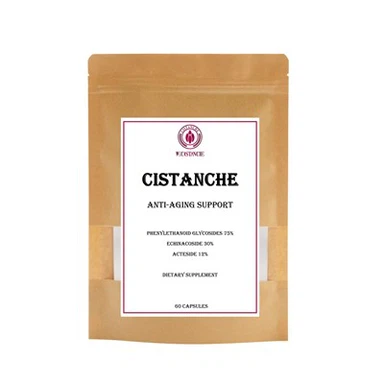
Cistanche is a traditional Chinese herbal medicine used for centuries to treat various health conditions, including kidney disease. It is derived from the dried stems of Cistanche deserticola, a plant native to the deserts of China and Mongolia. The main active components of cistanche are phenylethanoid glycosides, echinacoside, and acteoside, which have been found to have beneficial effects on kidney health.
Kidney disease, also known as renal disease, refers to a condition in which the kidneys are not functioning properly. This can result in a buildup of waste products and toxins in the body, leading to various symptoms and complications. Cistanche may help treat kidney disease ase through several mechanisms.
Firstly, cistanche has been found to have diuretic properties, meaning it can increase urine production and help eliminate waste products from the body. This can help relieve the burden on the kidneys and prevent the buildup of toxins. By promoting diuresis, cistanche may also help Reduce high blood pressure, a common complication of kidney disease.
Moreover, cistanche has been shown to have antioxidant effects. Oxidative stress, caused by an imbalance between the production of free radicals and the body's antioxidant defenses, plays a key role in the progression of kidney disease. ies help neutralize free radicals and reduce Oxidative stress, thereby protecting the kidneys from damage. The phenylethanoid glycosides found in cistanche have been particularly effective in scavenging free radicals and inhibiting lipid peroxidation.
Additionally, cistanche has been found to have anti-inflammatory effects. Inflammation is another key factor in the development and progression of kidney disease. Cistanche's anti-inflammatory properties help reduce the production of pro-inflammatory cytokines and inhibit the activation of inflammation mandatory pathways, thus alleviating inflammation in the kidneys.

Furthermore, cistanche has been shown to have immunomodulatory effects. In kidney disease, the immune system can be dysregulated, leading to excessive inflammation and tissue damage. Cistanche helps regulate the immune response by modulating the production and activity of immune cells, such as T cells and macrophages. This immune regulation helps reduce inflammation and prevent further damage to the kidneys.
Moreover, cistanche has been found to improve renal function by promoting the regeneration of renal tubes with cells. Renal tubular epithelial cells play a crucial role in the filtration and reabsorption of waste products and electrolytes. In kidney disease, these cells can be damaged, leading to damaged renal function. Cistanche's ability to promote the regeneration of these cells helps restore proper renal function and improve overall kidney health.
In addition to these direct effects on the kidneys, cistanche has been found to have beneficial effects on other organs and systems in the body. This holistic approach to health is particularly important in kidney disease, as the condition often affects multiple organs and systems. che has been shown to have protective effects on the liver, heart, and blood vessels, which are commonly affected by kidney disease. By promoting the health of these organs, cistanche helps improve overall kidney function and prevent further complications.
In conclusion, cistanche is a traditional Chinese herbal medicine used for centuries to treat kidney disease. Its active components have diuretic, antioxidant, anti-inflammatory, immunomodulatory, and regenerative effects, which help improve renal function and protect the kidneys from further damage. , cistanche has beneficial effects on other organs and systems, making it a holistic approach to treating kidney disease.
You Might Also Like
-

Black Maca Root Extract Powder
-

Cistanche Tubulosa a new savior for enhancing memory and ...
-

Wecistanche Micro Red 46°
-

Cistanche Dietary Supplement Energy Supply Phenylethanoid...
-
Cistanche Dietary Supplement Anti-Aging Support Phenyleth...
-

Cistanche Extract Supplier Cistanche Tubulosa Cistanche D...