What Should Hemodialysis Nephropathy Patients Do If They Encounter Uremic Pruritus? Have You Used The New Drugs For Treatment?
Apr 17, 2024
Skin itching is a common and annoying problem for patients with hemodialysis nephropathy during dialysis treatment. Research shows that more than 42% of maintenance hemodialysis (MHD) patients experience moderate to severe itching, and more than 73% say they are bothered by itchy skin. Uremic pruritus is chronic and unbearable. The onset period is mainly in winter and at night. It is mainly characterized by varying degrees of itching and discomfort all over the body or locally. The scalp, forehead, neck and back, chest, abdomen, and limbs are typical locations. The back is the most common area for itching. Skin itching has an impact on the patient's sleep, mood, and even social interaction. In severe cases, secondary damage to the skin due to scratching may aggravate the itching symptoms, forming a vicious circle, reducing the patient's quality of life, and even leading to hospitalization rates and Long-term mortality increases. Not only does this affect their quality of life, it can also have a negative impact on their mental health. So, how should patients with hemodialysis and kidney disease deal with itchy skin?

Click to Cistanche for kidney disease
Causes of itching after uremic dialysis
Inadequate hemodialysis
Unlike the kidneys which help the body detoxify itself 24 hours a day, hemodialysis can generally only remove part of the toxins and cannot completely replace the detoxification function of the kidneys. It cannot effectively remove medium and large molecular toxins in the blood. The medium and large molecules of long-term hemodialysis patients Excessive accumulation of toxins in the body can cause itchy skin.
electrolyte metabolism disorder
Patients with hemodialysis nephropathy often face electrolyte metabolism disorders due to declining renal function. Among them, increased blood phosphorus levels and decreased ionized calcium levels are common phenomena. These changes stimulate the secretion of parathyroid hormone (PTH), leading to secondary hyperparathyroidism. Secondary hyperparathyroidism not only causes skin itching, but may also cause a series of problems such as hypercalcemia, skin calcification, and irritation of skin hypertrophy.
Nitrogen metabolite retention
Hemodialysis patients often have abnormal accumulation of toxic metabolites due to renal failure, insufficient dialysis, or other reasons, which in turn induces skin itching. For example, high blood phosphorus combines with calcium to form calcium phosphate, which is deposited in the skin or other tissues. The deposits further irritate the local area. Nerve fibers induce pruritus. Although dialysis treatment can effectively remove some toxins from the body, large and medium molecular toxins may still accumulate in the body, causing irritation to the skin, and leading to symptoms such as dryness, scaling, and itching.
dry skin
Patients undergoing long-term dialysis treatment are prone to dry skin and lack of moisture due to atrophy of sebaceous glands and sweat glands and endocrine dysfunction, which in turn causes itching. The incidence rate in dialysis patients is 50% to 85%, and it is characterized by atrophy of the secretory glands and thickening of the basal layer, resulting in an increase in local pH and a decrease in hydration of the stratum corneum. The epidermal moisture content of patients with uremic pruritus, especially dialysis patients, is significantly reduced. Studies have shown that dialysis patients have increased transepidermal water loss, indicating that their epidermal barrier is damaged, and skin dehydration caused by dialysis ultrafiltration further aggravates skin dryness.

Systemic micro-inflammatory state
Abnormal immune cell infiltration or increased expression of immune-inflammatory factors in hemodialysis patients suggests that the onset of pruritus is closely related to many immune-inflammatory disorders. Studies have shown that a series of factors that regulate immunity or inflammation, such as elevated white blood cells, hypoalbuminemia, and hyperferritinemia, are related to moderate to severe pruritus. In addition, inflammatory markers such as type 1 helper T cells, C-reactive protein, interleukin (IL)-6, and IL-2 were significantly increased in dialysis patients with pruritus. In recent years, a series of cytokines have been found to be involved in the pathogenesis of pruritus, including IL-2, IL-4, IL-13, and IL-31.
Malnutrition
Dialysis kidney disease patients often have insufficient nutrient intake due to toxin accumulation, loss of appetite, and dietary taboos (such as water restriction, salt restriction, etc.), which may also aggravate the symptoms of skin itching.
other factors
Uremia patients are often accompanied by other diseases, such as diabetes, hypercalcemia, etc., which may also aggravate the occurrence of itching.
How to deal with uremic itching
Improve dialysis adequacy
Uremic pruritus can be caused by the accumulation of uremic toxins in the body, elevated blood calcium and phosphorus levels, and elevated levels of parathyroid hormone in the blood. Under normal circumstances, uremic patients need hemodialysis to replace kidney function, but hemodialysis can only remove small molecule toxins and a small number of medium molecule toxins in the blood, and the removal effect of large molecule toxins is not ideal. In this regard, improved dialysis treatment methods can be considered to improve the adequacy of dialysis. Specific measures include: (1) Increase the dosage of dialysate: By increasing the dosage of dialysate, the removal efficiency of dialysis can be improved, help remove uremic toxins from the body, and reduce symptoms. (2) Use high-flux dialyzers: High-flux dialyzers have higher dialysis efficiency and can remove toxins more effectively and improve patients' uremia symptoms. High-flux hemodialysis can also remove medium and large molecular toxins while reducing the patient's micro-inflammatory state. (3) Hemoperfusion pulse therapy: For patients with refractory uremic pruritus, hemoperfusion pulse therapy can be tried to help remove macromolecular toxins from the body, thereby alleviating skin itching.
Rational use of drugs
The following drugs can be used for uremic pruritus (1) Anti-epileptic drugs: Gabapentin and pregabalin are currently highly recognized drugs for the treatment of uremic pruritus. As gamma-aminobutyric acid-related anticonvulsants, they act on voltage-dependent Alterations in calcium channels producing nerve impulses critical to pruritus. (2) Opioid receptor agonists/antagonists: A large number of experimental and clinical observational studies have confirmed the role of opioid receptors in chronic pruritus and pruritus in HD patients. (3) Antihistamines: They are commonly used drugs to treat chronic pruritus. Current treatments can be divided into histamine receptor antagonists, such as diphenhydramine, hydroxyzine, loratadine or cetirizine. and mast cell stabilizers such as sodium cromoglycate, zinc sulfate, and ketotifen. (4) Emollients with high water content: Topical analgesics such as pramoxine and capsaicin can also be used to improve CKD-aP. These two compounds cause hypoesthesia and numbness by blocking nerve impulses from the skin. Thereby achieving the effect of alleviating pruritus. (5) Newly marketed drugs: Nafurafine hydrochloride orally disintegrating tablets is a drug used to treat uremic pruritus related to hemodialysis. This drug, developed by Japan's Toray, is a highly selective kappa (kappa)-opioid receptor agonist. In addition to uremic pruritus, nalfurapine hydrochloride is also used to treat pruritus in patients with chronic liver disease and pruritus in peritoneal dialysis patients.

In addition, it is necessary to apply active vitamin D to supplement calcium according to medical advice and adjust the dialysate to an appropriate calcium concentration to prevent the occurrence of hypercalcemia. In addition, drugs that reduce phosphorus, such as lanthanum carbonate, cinacalcet, etc., and drugs that improve parathyroid function, such as paricalcitol, calcitriol, etc., can also be used. These medications help regulate electrolyte metabolism and reduce the symptoms of itchy skin.
Adjust eating habits
Limit dietary phosphorus intake to reduce intestinal absorption of phosphorus. Specifically, patients' daily phosphorus intake should be controlled between 800-1000 mg. At the same time, maintain a balanced diet and consume sufficient nutrients to improve malnutrition. Eat less processed food, which contains many additives and high phosphorus content. Increased phosphorus intake can easily induce secondary hyperparathyroidism and itching in patients. Foods with high phosphorus include canned food, hot pot, offal, nuts, grains, etc. If hyperphosphatemia is not well controlled, you can take phosphorus-lowering drugs according to medical advice, such as sevelamer, lanthanum carbonate chewable tablets, calcium acetate, etc.
skincare
Keep your skin clean and moist, use mild cleansers and body washes, and avoid excessive bathing and rubbing. Choose a moisturizing emollient containing ingredients like aloe vera and vitamin E to help relieve dry and itchy skin. About 85% of patients with uremic pruritus will develop dry skin symptoms, further aggravating the intensity of itching. Emollients are often effective in improving symptoms of dryness and relieving itching with few adverse effects. Therefore, emollients can be used as a first-line treatment for symptoms of dry, itchy skin.
surgical treatment
(1) Parathyroidectomy: Hyperparathyroidism can cause uremic pruritus. If dialysis and drug therapy are not effective in improving itching symptoms, total parathyroidectomy may be considered. This surgery can effectively reduce parathyroid hormone levels and reduce its adverse effects on the skin, thereby improving itching symptoms. (2) Kidney transplantation: For some patients with refractory moderate to severe uremic pruritus who cannot resolve the pruritus problem even after a series of conventional treatments, kidney transplantation may be considered. Kidney transplantation can cure uremic itching from the root cause by restoring normal kidney function and reducing or eliminating the accumulation of uremic toxins, thereby effectively relieving itching symptoms.
Chinese treatment
Traditional Chinese medicine has taken a new approach to the diagnosis and treatment of itching in uremic patients and has proven to be effective in clinical practice. Treatment methods include acupuncture, acupoint massage, auricular pressure, Chinese medicinal baths, Chinese medicinal fumigation, etc.
Psychological counseling and life care
(1) Psychological counseling: Itching not only affects the patient's physical health but may also have a negative impact on his or her psychology. Medical staff should pay attention to the psychological state of patients, provide necessary psychological counseling and support, and help them build confidence in overcoming the disease. (2) Lifecare: The room temperature is suitable for the patient to feel cool; in autumn, winter, and dry seasons, the air humidity of the indoor environment where the patient is located can be increased; ensure adequate nutrition, avoid eating spicy and irritating food, and do not drink alcohol, strong tea or coffee; Patients with itchy skin need to relax and engage in appropriate physical exercise to improve their immunity and resistance.
The overall treatment principle should be reasonably planned for individualized treatment after confirming the patient's age, past diseases, medications, and the frequency and extent of chronic pruritus. All factors that aggravate pruritus, such as allergies and irritating substances, should be avoided. Stress, ethanol, or spicy food.
Skin itching in patients with hemodialysis and kidney disease is a problem that requires comprehensive treatment. By adjusting eating habits, rationally applying drugs, improving dialysis treatment, skincare, and psychological counseling, we can effectively relieve itching symptoms and improve patient's quality of life. At the same time, patients should maintain a positive attitude, build confidence in overcoming the disease, and work together with medical staff to overcome this problem.
It should be noted that each patient's specific situation may be different, so when formulating a treatment plan, individualized treatment should be based on the patient's specific situation. In addition, with the continuous advancement of medical technology, more new treatment methods may be available in the future, providing more effective treatment options for patients with hemodialysis nephropathy.
Finally, we would like to emphasize that although itchy skin is an annoying problem, it is not impossible to solve. As long as patients and medical staff work together and adopt scientific and reasonable treatment measures, I believe that this problem will be overcome and patients with hemodialysis and kidney disease can regain a healthy and happy life.
How Does Cistanche Treat Kidney Disease?
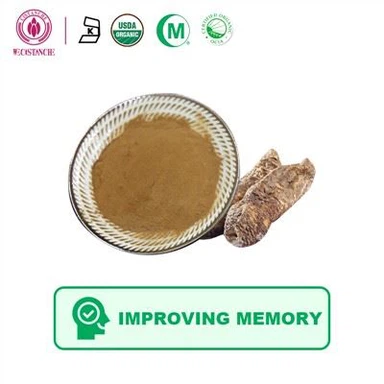
Cistanche is a traditional Chinese herbal medicine used for centuries to treat various health conditions, including kidney disease. It is derived from the dried stems of Cistanche deserticola, a plant native to the deserts of China and Mongolia. The main active components of cistanche are phenylethanoid glycosides, echinacoside, and acteoside, which have been found to have beneficial effects on kidney health.
Kidney disease, also known as renal disease, refers to a condition in which the kidneys are not functioning properly. This can result in a buildup of waste products and toxins in the body, leading to various symptoms and complications. Cistanche may help treat kidney disease ase through several mechanisms.
Firstly, cistanche has been found to have diuretic properties, meaning it can increase urine production and help eliminate waste products from the body. This can help relieve the burden on the kidneys and prevent the buildup of toxins. By promoting diuresis, cistanche may also help Reduce high blood pressure, a common complication of kidney disease.
Moreover, cistanche has been shown to have antioxidant effects. Oxidative stress, caused by an imbalance between the production of free radicals and the body's antioxidant defenses, plays a key role in the progression of kidney disease. ies help neutralize free radicals and reduce Oxidative stress, thereby protecting the kidneys from damage. The phenylethanoid glycosides found in cistanche have been particularly effective in scavenging free radicals and inhibiting lipid peroxidation.
Additionally, cistanche has been found to have anti-inflammatory effects. Inflammation is another key factor in the development and progression of kidney disease. Cistanche's anti-inflammatory properties help reduce the production of pro-inflammatory cytokines and inhibit the activation of inflammation mandatory pathways, thus alleviating inflammation in the kidneys.

Furthermore, cistanche has been shown to have immunomodulatory effects. In kidney disease, the immune system can be dysregulated, leading to excessive inflammation and tissue damage. Cistanche helps regulate the immune response by modulating the production and activity of immune cells, such as T cells and macrophages. This immune regulation helps reduce inflammation and prevent further damage to the kidneys.
Moreover, cistanche has been found to improve renal function by promoting the regeneration of renal tubes with cells. Renal tubular epithelial cells play a crucial role in the filtration and reabsorption of waste products and electrolytes. In kidney disease, these cells can be damaged, leading to damaged renal function. Cistanche's ability to promote the regeneration of these cells helps restore proper renal function and improve overall kidney health.
In addition to these direct effects on the kidneys, cistanche has been found to have beneficial effects on other organs and systems in the body. This holistic approach to health is particularly important in kidney disease, as the condition often affects multiple organs and systems. che has been shown to have protective effects on the liver, heart, and blood vessels, which are commonly affected by kidney disease. By promoting the health of these organs, cistanche helps improve overall kidney function and prevent further complications.
In conclusion, cistanche is a traditional Chinese herbal medicine used for centuries to treat kidney disease. Its active components have diuretic, antioxidant, anti-inflammatory, immunomodulatory, and regenerative effects, which help improve renal function and protect the kidneys from further damage. , cistanche has beneficial effects on other organs and systems, making it a holistic approach to treating kidney disease.