The Dialysis Process Is Safe, But What Should We Do If Blood Coagulation Occurs During Hemodialysis?
Jul 16, 2024
Why do some patients experience blood coagulation after about three hours of dialysis during hemodialysis treatment, in severe cases, the tube will be blocked and blood will be lost. How can heparin-free dialysis ensure that the dialysis machine is removed in time? There are many complications during the dialysis process, and hypotension is common, but blood coagulation is also a headache.

Click to Cistanche for kidney disease
Hemodialysis is an economical and effective renal replacement therapy for patients with end-stage chronic renal failure, which can greatly improve the quality of life of kidney patients. However, there are also many complications during hemodialysis, among which the headaches are the blood coagulation and blockage of the extracorporeal circulation pipeline.
This issue has been discussed a lot in the community recently. Gu Rong admires a single center that does not use heparin to circulate the tube during heparin-free dialysis, and does not need to flush normal saline regularly for observation, and can also dialysis for 3 to 4 hours. However, in some cases where anticoagulants are strictly used, blood coagulation and tube blockage frequently occur for about three hours. Fortunately, the patients can recover blood without causing a large amount of blood loss. Unfortunately, the patients directly have a one-time blood coagulation and tube blockage without signs, and the entire extracorporeal circulation pipeline is lost! Why is this?
Faced with such problems, dialysis patients watch a large amount of blood loss, and patients with renal anemia are even more distressed, hemodialysis nurses follow the procedures in operation, and they don't want to see such coagulation and tube blockage bleeding. So what should the main operators in hemodialysis treatment do? How can we better prevent coagulation events or large coagulation and blood loss events before they happen?

In the quality of medical management of hemodialysis centers, the incidence of coagulation is also a key issue. How to provide patients with safe and efficient full-course dialysis is what dialysis doctors need to do to set personalized prescriptions and dialysis nurses need to do refined care.
When coagulation occurs in the extracorporeal circulation circuit during dialysis in a hemodialysis center, the first thing to do is to check the factors that may cause coagulation. These coagulation factors should be included in the relevant quality control evaluation table. Individual cases are not enough to present the problem, but if they occur frequently, it is necessary to screen the relevant factors one by one, find the important factors that cause coagulation, and optimize and improve the prescription or process in a targeted manner.
During the screening process, the cause of coagulation is focused on the use of anticoagulants, blood flow during dialysis, repeated alarm pump stop or adjustment pump stop, patient hypercoagulability factors, etc. In recent discussions, including the coagulation event of the perfusion device at the beginning of the year, Gu Rong of the hemodialysis room believes that the type of anticoagulant and the method of administration are also important factors affecting the adequacy of anticoagulation. At the same time, the operation procedures of some centers during the pre-flushing process are not very standardized. Another point is the difference in individual prescription parameters set by doctors in dialysis prescriptions.

In the management of hemodialysis coagulation, the focus is on early identification of coagulation signs, prevention of coagulation blocking, and serious blood loss. In the training of safe operation of hemodialysis nursing, all staff need to learn the key points of coagulation management.
Hemodialysis nursing requires a spirit of self-discipline, high professional quality requirements, and timely inspections. This requires the ability to distinguish the significance of various pressure monitoring at work and to develop a pair of sharp eyes to identify the color changes of dialysis pipelines and dialyzers. Remember the following 4 signs of coagulation: ① The blood color is obviously deepened; ② Dark shadows or stripes appear in the dialyzer; ③ Blood clots or foam can be seen in the small pot; ④ The dialysis line shakes with the blood pump, and the dialyzer or venous small pot coagulates, causing the blood flow not to pass smoothly and return.
In the use of hemodialysis anticoagulants, individualized prescription settings are required, paying attention to the differences between different patients, and formulating the most efficient anticoagulation prescription.
When a period of coagulation monitoring is long-term rather than a single high-grade coagulation, the plan needs to be adjusted quickly. The focus of anticoagulation is the use of anticoagulants, and the types and dosages of anticoagulants will be flexibly used according to the needs of the patient's condition to avoid a small mistake.

What should healer nurses do if coagulation occurs frequently during hemodialysis? Don't panic. In addition to the early identification of coagulation signs mentioned above, here is the emergency prescription method after coagulation occurs. The following small method must be remembered!
Determine whether coagulation occurs, and use 200ml of normal saline to flush the dialyzer and pipelines;
If coagulation is confirmed, blood should be returned as soon as possible, and the blood pump should not be stopped during blood return;
In case of severe coagulation, blood return must not be forced, and the dialyzer and pipeline should be replaced in time;
Adjust various indicator parameters according to the doctor's advice, observe closely, and strengthen monitoring;
Provide psychological care for patients and their families.
How Does Cistanche Treat Kidney Disease?
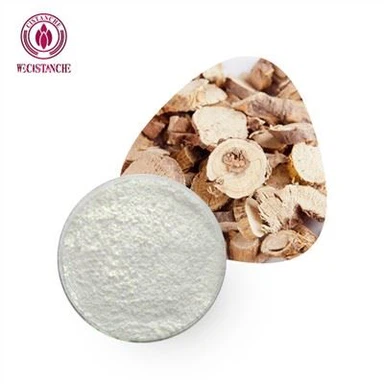
Cistanche is a traditional Chinese herbal medicine used for centuries to treat various health conditions, including kidney disease. It is derived from the dried stems of Cistanche deserticola, a plant native to the deserts of China and Mongolia. The main active components of cistanche are phenylethanoid glycosides, echinacoside, and acteoside, which have been found to have beneficial effects on kidney health.
Kidney disease, also known as renal disease, refers to a condition in which the kidneys are not functioning properly. This can result in a buildup of waste products and toxins in the body, leading to various symptoms and complications. Cistanche may help treat kidney disease ase through several mechanisms.
Firstly, cistanche has been found to have diuretic properties, meaning it can increase urine production and help eliminate waste products from the body. This can help relieve the burden on the kidneys and prevent the buildup of toxins. By promoting diuresis, cistanche may also help Reduce high blood pressure, a common complication of kidney disease.
Moreover, cistanche has been shown to have antioxidant effects. Oxidative stress, caused by an imbalance between the production of free radicals and the body's antioxidant defenses, plays a key role in the progression of kidney disease. ies help neutralize free radicals and reduce Oxidative stress, thereby protecting the kidneys from damage. The phenylethanoid glycosides found in cistanche have been particularly effective in scavenging free radicals and inhibiting lipid peroxidation.
Additionally, cistanche has been found to have anti-inflammatory effects. Inflammation is another key factor in the development and progression of kidney disease. Cistanche's anti-inflammatory properties help reduce the production of pro-inflammatory cytokines and inhibit the activation of inflammation mandatory pathways, thus alleviating inflammation in the kidneys.
Furthermore, cistanche has been shown to have immunomodulatory effects. In kidney disease, the immune system can be dysregulated, leading to excessive inflammation and tissue damage. Cistanche helps regulate the immune response by modulating the production and activity of immune cells, such as T cells and macrophages. This immune regulation helps reduce inflammation and prevent further damage to the kidneys.
Moreover, cistanche has been found to improve renal function by promoting the regeneration of renal tubes with cells. Renal tubular epithelial cells play a crucial role in the filtration and reabsorption of waste products and electrolytes. In kidney disease, these cells can be damaged, leading to damaged renal function. Cistanche's ability to promote the regeneration of these cells helps restore proper renal function and improve overall kidney health.
In addition to these direct effects on the kidneys, cistanche has been found to have beneficial effects on other organs and systems in the body. This holistic approach to health is particularly important in kidney disease, as the condition often affects multiple organs and systems. che has been shown to have protective effects on the liver, heart, and blood vessels, which are commonly affected by kidney disease. By promoting the health of these organs, cistanche helps improve overall kidney function and prevent further complications.
In conclusion, cistanche is a traditional Chinese herbal medicine used for centuries to treat kidney disease. Its active components have diuretic, antioxidant, anti-inflammatory, immunomodulatory, and regenerative effects, which help improve renal function and protect the kidneys from further damage. , cistanche has beneficial effects on other organs and systems, making it a holistic approach to treating kidney disease.