The Difference Of Chemical Components And Biological Activities Of The Raw Products Slices And The Wine Steam-Processed Product From Cistanche Deserticola
Apr 17, 2024
1. Introduction
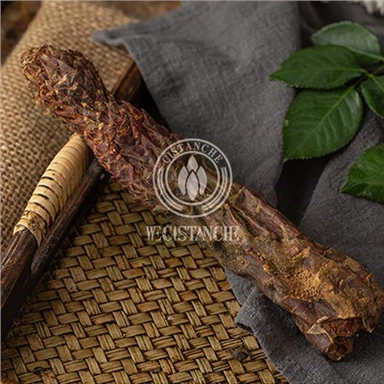
Cistanche deserticola is a common traditional Chinese medicine and has been generally used as a tonic in China and Japan for many years, commonly known as "Desert ginseng." Cistanche deserticola was first recorded as a top grade in "Shennong's Herbal Classic of Materia Medica (Shen Nong Ben Cao Jing)" in about 100 B.C and used to treat various diseases including kidney deficiency, impotence, female infertility, morbid leukorrhea, profuse metrorrhagia (whites), cold sensation in the loins and knees, and chronic constipation in the elderly [1]. So far, several main constituents have been isolated, such as polysaccharides [2, 3], phenylethanoid glycosides (PhGs) [1, 4], iridoids [1] and ligands [1, 5]. Among them, PhGs and polysaccharides are the main biologically active components in Cistanche deserticola [6–9]. Modern pharmacological experiments have proved that Cistanche deserticola can enhance the production of testosterone and protect sperm, stimulate cell proliferation, and enhance cell survival, exhibiting marked activities for sexual potency, improving memory, anti-aging, free radical scavenging, and neuroprotection [10–13].

NATURAL CISTANCHE TUBULOSA TRADITIONAL CHINESE HERBS PHGS75% ECH 30% ACT 12%
To reduce toxicity and/or enhance the effects, most of the traditional Chinese herbs should be processed before prescription. the traditional process steps include cleaning, water process (grinding in water, steaming, and roasting), and free process (stir-heating with wine, vinegar, salt, or honey) [14]. During the process, the chemical components may be changed: the relative contents of certain components may be changed or new components may be formed [15]. The process of Cistanche deserticola has a long history and Cistanche deserticola should be processed by soaking in rice wine, and steaming as described in Chinese Pharmacopeia (2015 edition) [16]. SPW has been proven to influence their effects on kidney meridians according to the theory of traditional Chinese medicine (TCM) [17]. WSCD is first documented in "Lei Gongs Treatise on Preparation and Boiling of Materia Medica (Lei Gong Pao Zhi Lun)" in the Northern and Southern Dynasties of China. WSCD is better used to treat kidney deficiencies and protect semen as recorded in "Taiping Shenghui Fang" in the Song Dynasty of China. However, there have been no comparative studies on the chemical components between RCD and WSCD so far.
Modern pharmacological investigations have indicated that WSCD could tonify the kidney to secure essence by stimulating the hypothalamus-pituitary-gonad axis with varying degrees and is used for the treatment of deficiency in the kidney such as deficiency of kidney-yang [18]. However, up to now, the differences in biological activities between RCD and WSCD have not been researched. Recently, to facilitate the experimental research, the kidney-yang deficiency animal model has been duplicated by injecting rats with a high dose of hydrocortisone, in which rats will show symptoms greatly resembling those described in kidney-yang deficiency of TCM [19, 20]. Rats with kidney-yang deficiency always have some symptoms such as weight loss, food consumption reduction, weakness, increased water intake, and decreased activity. Based on this animal model, the differences in nourishing-kidney effects between RCD and WSCD were detected and even revealed the scientific essence of the traditional Chinese process.
2. Materials and Methods
2.1. Materials and Chemicals
The standard substances such as acteoside, isoacteoside, echinacoside, cistanoside A, and 2- acetylacteoside were purchased from Shanghai Yuanye Biotechnology Co. Ltd (Shanghai, China). Cistanoside F, cistanoside C, osmanthuside B, and tubuloside B were purchased from Chengdu Pfeide Biotechnology Co. Ltd (Chengdu, China) The purity of all standards was no less than 98%. HPLC-grade methanol and acetonitrile were purchased from Aladdin Chemistry Inc. (Shanghai, China). Deionized water was obtained using a MilliQ50 SP Reagent Water System (Bedford, MA, USA) for preparing samples and mobile solutions. All other organic solvents used in this study were of analytical grade and purchased from Shanghai Chemical Co. Ltd (Shanghai, China).
2.2. Samples Collection
All the raw Cistanche deserticola (7 batches of samples) were collected by Inner Mongolia Medical University from Inner Mongolia and Ningxia provinces. All were identifed as cistanche deserticola Y. C. Ma by Xiaoqin Wang, the professor of Pharmacognosy Department in Inner Mongolia Medical University. A voucher specimen was deposited at the School of Pharmacy, Inner Mongolia Medical University. after collection, the inflorescences of Cistanche deserticola were removed, the stems were sliced and dried at room temperature with air, and then the slices were randomly divided into two groups in each batch: one is RCD and the other was used for the preparation of WSCD.
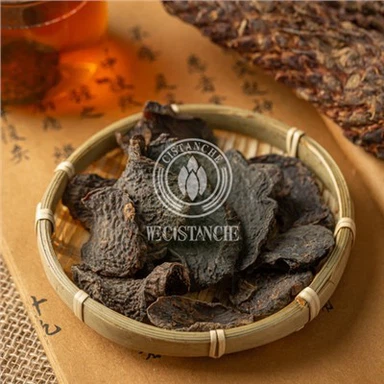
The WSCD were prepared in the lab according to Chinese pharmacopeia (2015 edition) [16], which means that the sliced RCD were soaked in rice wine with a closed container for 6h until soft, steamed in a water bath for an additional 12h until the surface becomes black, and dried at room temperature with air.
2.3. Principal Component Analysis (PCA)
Principal component analysis (PCA) is a sophisticated technique widely used for reducing the dimensions of multivariate problems. It reduces the dimensionality of the original data set by explaining the correlation among a large number of variables in terms of a smaller number of underlying factors without significant loss of information. In this study, the differences between RCD and WSCD were performed by unsupervised PCA using the SIMCA 13.0 software based on the relative peak areas in the HPLC chromatography. With the help of PCA, the main chemicals' influences on the classification among different samples were found.
2.4. Sample Preparation
2.4.1. Extract Preparation for Animals
The RCD and WSCD were selected from the samples collected and prepared as described in Section 2.2.
Air-dried and sliced RCD was powdered by a pulverizer (FW135, Tianjin Taisite Instrument Co., Ltd.), accurately weighed 1.0 kg, and soaked in 50% ethanol for 30 min, and the ratios of plant/ethanol used were 1/10(w/w). And then, it was extracted under reflux twice for 1 h each time. the two extracts were combined and filtered and the ethanol was recovered under the reduced pressure at 60∘ C. te The total crude extract of PhGs was dried in vacuum at 60∘ C and purified by macroporous resin. Finally, the PhG extract of RCD was obtained and accurately weighed.
The PhG extract of WSCD was obtained following the same procedure above.
the sediments from extracting the PhGs were air-dried and decocted twice for 1.5 h each time with 20 times of water. The two extracts were combined and centrifuged at 4000 rpm for 10 min, and the supernatant was concentrated and precipitated with 95% ethanol. after centrifugation, the precipitate was dried in a vacuum at 60∘ C. Finally, the polysaccharide extract of RCD was obtained and accurately weighed.
The polysaccharide extract of WSCD was obtained following the same procedure above.
The PhGs and polysaccharide extracts of RCD and WSCD were mixed suspensions in water, respectively, when the rats were treated orally.
2.4.2. Sample Preparation for the Determination of PhGs
The PhGs extracts in Section 2.4.1 were accurately weighed at 0.15 g and extracted by ultrasonication with 50mL 50% aqueous methanol solution for 40 min. After cooling, the loss of weight was replenished with 50% methanol. All samples and solvents were filtered through a 0.45 ?m membrane before analysis. The content of four PhGs in RCD and WSCD was determined using HPLC, and the total PhGs was determined using UV spectrophotometry.
2.4.3. Sample Preparation for the Determination of Polysaccharide
The polysaccharide extracts in Section 2.4.1 were accurately weighed as 0.10 g and extracted by ultrasonication with 50 mL hot water for 40 min; after cooling, the loss of weight was replenished with water. All samples and solvents were filtered through a 0.45 ?m membrane before analysis.
2.5. Chromatographic Condition of HPLC and Determining the four PhGs
The chromatographic separation was performed in an UltiMate 3000 HPLC system (Thermo Fisher Scientific, USA), equipped with a dual-gradient pump, a column compartment, and a DAD detector. Data was collected and processed using a ChromeLeon Chromatography Data System. The samples were separated on an Agilent Zorbax SB-C18 (250mm×4.6 mm, 5 ?m) with a C18 guard column (4.6mm×12.5 mm, 5 ?m). The mobile phase consisted of acetonitrile (A) and 0.1% phosphoric acid solution (B) at a flow rate of 1 mL/min. The gradient elution is as follows: initial 0–13 min, linear change from A-B (5:95, v/v) to AB (15:85, v/v); 13–25 min, linear change to A-B (20:80, v/v); 25–43 min, linear change to A-B (25:75, v/v). The wavelength of the detector was monitored at 330 nm. The column temperature was set at 30∘ C and the sample volume injected was 10µL [21]. The stock solution containing four reference standards was prepared by dissolving the reference standards in 50% methanol to a final concentration of 0.20 mg/mL for 2-acetylacteoside, 0.20 mg/mL for acteoside, 0.05 mg/mL for osmanthuside B, and 0.10 mg/mL for isoacteoside. The solution was then diluted to five different concentrations with three replicates to establish calibration curves. The sample content was expressed in g/kg of raw weight.
2.6. Determination of Total PhGs
The total PhGs were determined using the UV spectrophotometry method at the wavelength of 330nm in a UV1000 spectrophotometer (Shanghai Tianmei Scientific Instrument Co., Ltd.).The stock solution was prepared by dissolving echinacoside standards in 50% methanol to a final concentration of 0.10 mg/mL and then diluted to five different concentrations with three replicates to establish calibration curves.

NATURAL CISTANCHE TUBULOSA FOR IMPROVING SEXUAL FUNCTION PHGS75% ECH 30% ACT 12%
2.7. Determination of Polysaccharides
The determination of polysaccharides was carried out using the phenol-sulfuric acid method. 1mL of the sample solution was put into a 20 mL test tube with a glass stopper, and 1 mL of 6% phenol solution and 5 mL of concentrated sulfuric acid were added and shaken for 5 min. The mixture was transferred to a boiling water bath for 10 min and cooled to room temperature for ultraviolet detection. The ultraviolet absorption was monitored at 480 nm in a UV1000 spectrophotometer. The reference standard of anhydrous D-glucose was accurately weighed and dissolved in distilled water to a final concentration of 0.10 mg/ mL. Then the solution was diluted to five different concentrations with three replicates to establish calibration curves.
2.8. Animal Experiments
2.8.1. Animals and Housing
Male SD rats of sexual maturity (180-200 g) were purchased from Xinglong (Beijing) Experimental Animal Farm (age: 6 weeks old) and the laboratory animal license was SCXK (Jing):2016-0003. All animal procedures were approved by the Inner Mongolia Medical University Animals Research Committee and carried out according to National Institute of Health guidelines regarding the principles of animal care (2004). All animals were kept at a barrier system with a regulated temperature of 21–23∘ C and relative humidity of 40–65% and on a 12 h dark/light cycle. The rats were given ad libitumfood and water and acclimatized to the above environment for a week.
2.8.2. Dosage and Sampling
The rats were transferred to individual metabolic cages and randomly divided into 6 groups (? = 10 in each group). They were given an intramuscular injection of 15 mg/kg hydrocortisone sodium succinate (purchased from Tianjin Biochemical Pharmaceutical Co., Ltd., Tianjin, China) for 2 weeks except for group 1 which was injected with an equal volume of physiological saline. On the 14th day, the body weight, food consumption, water intake, urine volume, and spontaneous activity within 5 minutes were collected to make sure whether the kidney yang deficiency model was successfully made. From the 15th day, 6 groups were treated as follows: group 1 and group 2 (model group, M) were treated with an equal volume of distilled water, group 3 (PhGs extract of RCD group, PR) were treated with 0.42 g/kg PhGs extract of RCD, which was equal to about 1.8 g/kg of the raw Cistanche deserticola and the other groups were the same, group 4 (PhGs extract ofWSCD group, PW) were treated a dose of 0.49 g/kg PhGs extract of WSCD, group 5 (polysaccharide extract of RCD group, SR) were treated with 0.18 g/kg the polysaccharide extract of RCD, and group 6 was (polysaccharide extract of WSCD group, SW) were treated a dose of 0.22 g/kg the polysaccharide extract of WSCD. All rats were treated by gastric perfusion per day. After a month's treatment, the rats were denied food for 12h before blood collection. On the next day, all rats were anesthetized and sacrificed. During the testing, the rats were weighed once a week to adjust the dosage and weighed again before sacrificing. Blood samples were collected in the Eppendorf tube with 10% EDTA-2Na solution. The serum was separated via centrifugation at 2000 rpm for 15 min and stored at -80℃ for further use. In addition, kidneys, testicles, epididymis, prostate gland, and seminal vesicle were removed and weighed rapidly. After weighing, the testicles were frozen in liquid nitrogen for the determination of SOD and MDA.
2.9. Hormone and Antioxidant Effect Analysis
The testosterone (T) and estradiol (E2) levels were determined in the Qingdao Kechuang Quality Inspection Center by radioimmunity and colorimetric method. The frozen testicles were weighed and mixed with 20 times of cold physiological saline (W/W). The testicle homogenate obtained by tissue homogenate in the ice bath was centrifuged to obtain the supernatant. The contents of SOD and MDA of the testicle were determined by SOD and MDA kits following the instructions.

2.10. Statistical Analysis
The significance of differences among groups was compared through a one-way ANOVA test followed by Schefe's test with a significance limit of 0.05 using the SPSS software 25.0. All data was expressed as the mean ± standard deviation (SD) (n=3).
3. Results
3.1. The Analysis of PhGs Changes after SPW Using PCA
To compare the PhGs changes after SPW, 9 chromatographic peaks were selected as characteristic peaks and were identified. Their structures are shown in Figure 1, the relative peak areas of which were calculated for quantitative expression. The HPLC chromatogram is shown in Figure 2, which indicates that the relative content of main PhGs was changed during SPW. PCA analysis on the relative peak areas of 9 components was obtained for the discrimination of different samples. The RCD and WSCD were far from each other in the plot of the scores (Figure 3(a)), which indicated that the samples were classified into two clusters. So it is believed that the contents of the chemical constituents were different. To further find the potential chemical markers for the discrimination, an extended statistical analysis was performed to generate the loading Bi plot (Figure 3(b)). Peaks 2, 3, 4, 6, and 7 will decrease after SPW while Peaks 5, 8, and 9 will increase, and all of them were the most important components to distinguish the RCD and WSCD. the relative contents of peak 1 do not vary much after SPW.

NATURAL CISTANCHE TUBULOSA FOR IMPROVING SEXUAL FUNCTION PHGS75% ECH 30% ACT 12%
3.2. The Contents of Total Polysaccharides and PhGs Changed after SPW
As shown in Figure 3(b), 8 components (5, 8, and 9 increased and 2, 3, 4, 6, and 7 decreased) had changed significantly and had a major impact on the sample clustering. Among them, isoacteoside and Osmanthuside B had increased the most while 2? -acetylacteoside and acteoside decreased the most. So, the contents of isoacteoside, Osmanthuside B, 2? -acetylacteoside and acteoside were determined by HPLC. As shown in Figure 1, peak 4 was acteoside, peak 5 was isoacteoside, peak 7 was 2? -acetylacteoside, and peak 8 was osmanthuside B. The total PhGs in RCD and WSCD were determined using the UV method and the total polysaccharides were carried out using the phenol-sulfuric acid method, the results were shown in Table 1, isoacteoside, Osmanthuside B, total polysaccharides and PhGs in WSCD had increased significantly compared with RCD. 2? -acetylacteoside and acteoside had decreased significantly.
3.3. The Hydrocortisone-Induced Kidney-Yang Deficiency Model Was Made
Compared with the normal group, after 2 weeks' intramuscular injection of 15 mg/kg hydrocortisone sodium succinate, the body weight, food consumption, and spontaneous activity were significantly decreased (P<0.05) and the water intake and urine volume were increased; the results were shown in Table 2. The T and E2 levels in the serum of the model group were lower than normal group as shown in Figure 4. From the above, the kidney-yang deficiency model was successfully made.


3.4. The Impact of Extracts on the Average Viscera Weight and Index.
All rats and their viscera were weighed and then the average viscera index was calculated. Compared with the N group, the M group had significantly decreased the viscera weights of the kidney, seminal vesicle, epididymis, and testicle, which also indicated that the hydrocortisone-induced kidney-yang deficiency model was successfully made. Compared with the M group, all observed viscera weight had increased in the PW and SR groups, the PR group had increased weight of testicle, epididymis, seminal vesicle, and prostate gland, and the SW group had increased weight of kidney, testicle, epididymis, and seminal vesicle. Compared with the PR groups, the PW group was better in the kidney, seminal vesicle, and prostate gland. There was no significant difference between the SR and the SW groups in the weight of the testicle, epididymis, seminal vesicle, and prostate gland. The results are shown in Table 3.
Compared with the N group, the viscera indexes of the kidney, testicle, epididymis, and seminal vesicle were decreased in the M group. Compared with the M group, the PW and SR group had increased the index of the kidney, testicle, prostate gland, and seminal vesicle, the PR groups had increased the index of the testicle, prostate gland, and seminal vesicle, and the SW group had increased the index of kidney, testicle, and seminal vesicle. Compared with the PR groups, the PW group was better in the kidney, seminal vesicle, and prostate gland. The SW and SR groups had a similar index of kidney, testicle, seminal vesicle, and epididymis. The results are shown in Table 4.
3.5. The Impact of Extract on the Level of Hormone (T and E2)
As shown in Figure 4, compared with the M group, the levels of T and E2 in all the treatment groups (PW, PR, SW, and SR group) had increased significantly (P<0.05). However, the PW group was better than the PR group in the level T and E2. The SR and SW groups had no significant difference.
3.6. The Impact of Extracts on Antioxidant Effect
SOD is an important antioxidant enzyme. MDA is the product of lipid peroxidation which is the indicator of reffecting the degree of oxidant damage. The contents of SOD and MDA affect the extent of oxidant and antioxidant ability. As shown in Figure 5, Compared with the M group, the antioxidant effect in all the treatment groups (PW, PR, SW, and SR) had been enhanced. The SW group had the greatest antioxidant effect.
4. Discussion
Before clinical application, the crude materials should be subjected to traditional Chinese process techniques. Steaming is one of the traditional processing approaches for some Chinese medicinal herbs, which gives a black color produced by the Maillard reaction [22], increasing the amounts of some bioactive components [23] and pharmacological activities. WSCD as one of the process products is better in terms of nourishing kidneys compared with RCD as documented in the 2015 edition of Chinese Pharmacopoeia. In this study, the PCA results indicated that the SPW had changed the chemical profile of RCD. What is more, 8 components in PhGs had changed significantly. Total PhGs, total polysaccharides, isoacteoside, and Osmanthuside B had increased the most, while 2? -acetylacteoside and acteoside decreased after SPW. The results indicated that SPW could change the chemical constituents of RCD. The contents of PhGs with 1,3,4- trisubstituted glucopyranosyl moieties (such as acteoside, 2? -acetylacteoside, and cistanoside C) decreased in WSCD, however, the concentrations of their isomers with 1,3,5- trisubstituted glucopyranosyl moiety (such as isoacteoside and tableside B) increased, which indicated that the transformation of chemical constituents may occur during SPW, and hydrolysis reaction will be one of the reasons. The proposed transformation pathways are shown in Figure 6. The increase in polysaccharides after SPW has also been reported in ginseng [24].

Cistanche deserticola was documented to invigorate the kidney and reverse the reduction in testosterone levels and possess antioxidant effect and anti-inflammatory action [25], and PhGs and polysaccharides were the two main biologically active components in Cistanche deserticola. As PhGs, the isoacteoside and Osmanthuside B had antioxidation and anti-inflammatory effects [26, 27]. So, the comparison of pharmacological effects in testosterone level and antioxidant effect of RCD and WSCD was studied. In the model of hydrocortisone-induced kidney-yang deficiency, the endocrine was disrupted and the level of sex hormones was greatly decreased in the blood. In this study, the results of sex hormone analysis showed that both RCD and WSCD could significantly increase the level of T and E2, and both PhGs and polysaccharides showed the improvement of sex hormones. The WSCD was better than the RCD, especially in PhGs extract groups. The results of the viscera indexes showed that both PhGs and polysaccharides can improve the viscera weights and their weights indexes. In PhGs extract groups, the WSCD is better than RCD in increasing the weights and indexes of kidney and seminal vesicles. In addition, Cistanche deserticola has a significant antioxidant effect, especially in the polysaccharides extract groups with WSCD. As discussed above, both RCD and WSCD could improve the kidney-yang deficiency syndrome; however, WSCD is better than RCD in increasing the level of T, E2, the weights, and indexes of epididymis and testicle. The results of the pharmacological effects study indicated that SPW had changed the chemical components of PhGs and increased the content of polysaccharides, which in turn increased the sex hormone level and enhanced the antioxidant effect.

5. Conclusion
The study was to discover the change of PhGs, total polysaccharides, and the pharmacological effect in RCD and WSCD on the kidney-yang deficiency rat, especially on hormone level and antioxidant effect. this study has demonstrated that the process of traditional Chinese herbs may alter their chemical constituents and affect their bioactivity. It is also supported that raw products and processed products were prescribed differently in the clinic.

NATURAL CISTANCHE TUBULOSA FOR IMPROVING SEXUAL FUNCTION PHGS75% ECH 30% ACT 12%