The Distinction Between Kidney Yin And Yang, And The Differences Between Kidney Yang Deficiency And Kidney Yin Deficiency
Dec 09, 2024
The difference between kidney yang deficiency and kidney yin deficiency
1. Different etiology and pathogenesis
Kidney yang deficiency is mainly caused by deficiency of body yang qi or prolonged illness, excessive sexual activity, and other reasons leading to kidney yang qi deficiency. Kidney yin deficiency refers to the depletion of kidney yin caused by insufficient innate endowment or improper sexual activity in the future.

effects of cistanche-improve kidney function
2. Symptoms: Different tongue and pulse manifestations
Patients with kidney yang deficiency usually present with chills, cold limbs, frequent nocturia, pale and chubby tongue with white coating, and weak pulse. People with kidney yin deficiency mainly have symptoms such as soreness, weakness, and pain in the waist and knees, dizziness in the head, and tinnitus in both ears, as well as red tongue, less saliva, less moss, and fine pulse.
3. Different treatment methods
For kidney yang deficiency, warming the kidney and strengthening yang should be the main treatment, and Jin Kui Shen Qi Wan can be used for treatment, combined with warm ingredients such as lamb and chives. For kidney yin deficiency, nourishing kidney yin is the main treatment, which can be treated with Liuwei Dihuang Pills, combined with similar ingredients such as black sesame and Tremella fuciformis.

desert living cistanche-improve kidney function
Cistanche deserticola can nourish the kidney and promote yang deficiency
1. The efficacy of Cistanche deserticola

desert living cistanche
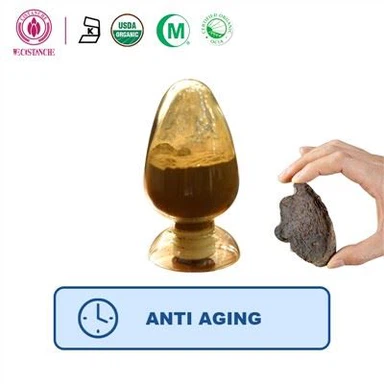
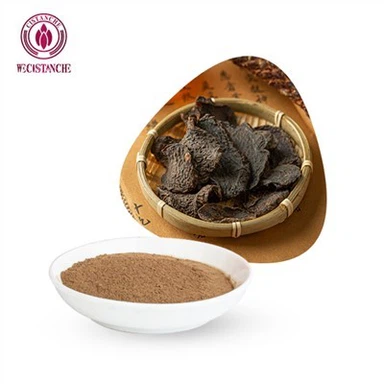
Cistanche deserticola has the effects of tonifying kidney yang, nourishing essence and blood, and moistening the intestines and promoting bowel movements. It is suitable for symptoms such as chills, soreness and weakness of the waist and knees, impotence and nocturnal emissions caused by insufficient kidney yang and deficiency of essence and blood. At the same time, it can also be used for postpartum blood deficiency, elderly kidney deficiency and intestinal dryness, and constipation caused by insufficient body fluid after illness. In traditional Chinese medicine theory, Cistanche deserticola is believed to enhance the body's immune function and improve its ability to resist external pathogenic microorganisms. Modern research has also found that the active ingredients in Cistanche deserticola may have potential therapeutic or preventive effects on certain diseases, but their research results still need further clinical validation and research.

cistanche deserticola ma-improve kidney function
2. Precautions for use
People with gastrointestinal heat and constipation should not take Cistanche deserticola. People with yin deficiency, excessive heat, and loose stools should also avoid taking it. In addition, it is not recommended to take it for those with weak spleen and stomach, loose stools (loose stool), heat syndrome with yang hyperactivity, and kidney yin deficiency with excessive fire. People with excessive heat, loose stools, and solid hot stools are also not suitable for using Cistanche deserticola. People with damp and hot constitution, or those with yin deficiency and excessive fire, should not take Cistanche deserticola to prevent it from being sweet and warm, causing heat and further aggravating the symptoms of heat, or causing severe damage to yin and exacerbating the symptoms of yin deficiency and excessive fire. Constipation caused by gastrointestinal heat and qi stagnation should not be taken. Because Cistanche deserticola has the effects of promoting yang and smoothing the intestines, it is also not suitable for people with loose stools and diarrhea to take. Friends under the age of 18 are advised not to consume Cistanche deserticola. Cistanche deserticola should avoid metal objects and should not be soaked in water or wine with iron or copper utensils. It is best to use a glass cup to soak the carnivorous Cistanche deserticola. It should be used in moderation according to medical advice or medication instructions, and it is best to consult a doctor or traditional Chinese medicine practitioner for advice before use.

Cistanche deserticola efficacy-Tonifying kidney
Click here to view Cistanche for Kidney disease products
【Ask for more】 Email:cindy.xue@wecistanche.com / Whats App: 0086 18599088692 / Wechat: 18599088692
What foods should be eaten for kidney yin deficiency
1. Recommended foods in traditional medicine
In traditional medicine, people with kidney yin deficiency are suitable to consume foods that have nourishing effects on kidney yin, such as Tremella fuciformis and yam. At the same time, one should avoid excessively greasy and spicy foods, limit the intake of high sugar, high salt, raw and cold foods, and avoid drinking strong liquor, coffee, strong tea, etc.
2. Specific food list
People with kidney yin deficiency can consume more foods that have nourishing effects on the liver and kidneys. Goji berries have the effects of nourishing the liver and kidneys, improving vision, and nourishing qi; Black beans are rich in phytoestrogens, which can nourish the kidneys, consolidate essence, nourish yin, and nourish blood; Red dates can nourish the middle and qi, nourish the blood and calm the mind. Patients with kidney yin deficiency can take red dates appropriately to nourish yin and blood, but it is not advisable to take them in large quantities to avoid aggravating internal heat symptoms; Longan meat is rich in trace elements, which can nourish the liver and kidneys, nourish the body, and have the effects of nourishing the heart and spleen, nourishing blood and calming the mind, and nourishing the liver and kidneys; Honey nourishes yin, moistens dryness, nourishes the heart and calms the mind; Bird's nest nourishes qi, blood, yin, and dryness; Almonds moisten the lungs, relieve cough, nourish yin, and moisten dryness; Tremella fuciformis nourishes yin, clears heat, and soothes the heart and mind. At the same time, avoid consuming raw radish, raw vegetable melon, raw cucumber, etc. Animal liver, pancreas, milk, artificial oil, peanuts, sesame seeds, fruits, cereal bread, sweet potatoes and chives, spinach, celery, carrots, tomatoes, chicken and other foods can also be consumed in moderation. In addition, foods such as yam, goji berries, mulberries, and black beans also have a certain auxiliary therapeutic effect on kidney yin deficiency. Yam has the effects of nourishing the lungs, strengthening the spleen, nourishing the kidneys, and replenishing essence; Mulberry has a sweet taste and a cold nature. It has the effects of nourishing the liver and kidneys, nourishing yin and blood, and generating fluids to moisten dryness; Black beans are beneficial for improving eyesight, nourishing blood and dispelling wind, promoting diuresis, and detoxifying. For people with kidney yin deficiency, eating more black beans can nourish the kidneys and yin, moisturize the body, promote metabolism, and dilate blood vessels. Kidney yin deficiency belongs to yin deficiency syndrome, and goji berry is a nourishing yin medicine that can nourish the liver and kidneys, benefit essence and improve vision. It can play an auxiliary regulatory role in the soreness and weakness of the waist and knees, dryness of the throat and mouth caused by liver and kidney yin deficiency. Soaking longan meat and goji berries in water has the effects of nourishing the heart and spleen, nourishing blood and calming the mind, and nourishing the liver and kidneys.