The Effects And Contraindications Of Commonly Used Traditional Chinese Medicine
Mar 13, 2024
Traditional Chinese Medicine is a branch of traditional Chinese medicine
Important components
The use of traditional Chinese medicine has its indications and contraindications for the population
In this article, let's take a look at
The effects and contraindications of commonly used traditional Chinese medicine

Chinese medicinal materials such as cistanche plant
Codonopsis pilosula
Codonopsis pilosula has the effects of strengthening the spleen, benefiting the lungs, nourishing blood, and generating fluids.
Although the party reference is average, it is sweet and nourishing, so it should not be taken by hot witnesses. It is prohibited for those with qi stagnation and high anger. In addition, Codonopsis pilosula is not suitable for use with resveratrol, and when paired with other medicinal herbs, it should also be done under the guidance of a doctor.

Chinese medicines such as ginseng, Cistanche herb, and astragalus
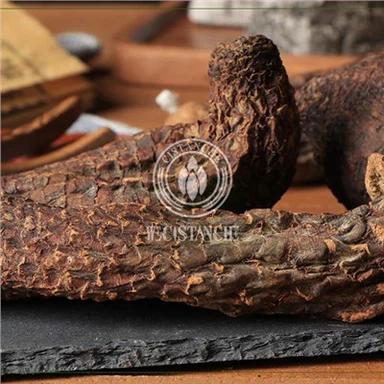
Cistanche deserticola (Hotan)
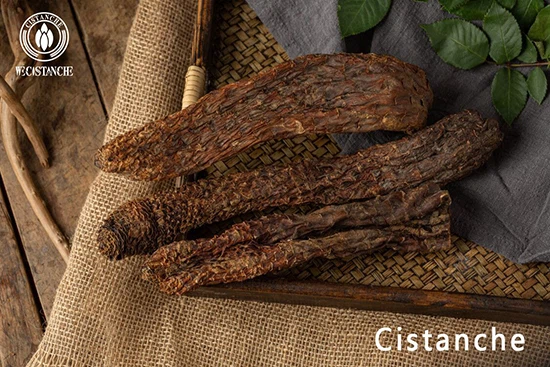
Desert living cistanche tubulosa
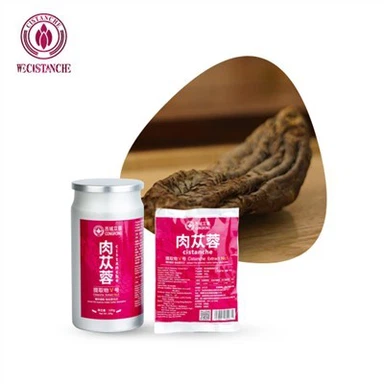
Click here to view Cistanche products
【Ask for more】 Email:cindy.xue@wecistanche.com / Whats App: 0086 18599088692 / Wechat: 18599088692
Guanhua Cistanche has the effects of tonifying kidney yang, nourishing essence and blood, moistening intestines and promoting bowel movements, and is often used for lower back pain.
But it is not suitable for those with yin deficiency, excessive fire, and diarrhea.
Dendrobium officinale
Dendrobium officinale has various pharmacological effects such as regulating gastrointestinal function, lowering blood sugar, and increasing immunity. It can benefit the stomach, generate fluids, nourish yin, and clear heat.
But Dendrobium officinale can restrain evil, so it is not advisable to use it early for warm heat diseases. Dendrobium officinale can also help with dampness. If the dampness and temperature have not yet dissipated, people should avoid taking it.
Ganoderma lucidum
Lingzhi has the effects of tonifying qi and calming the mind, relieving cough and asthma. When combined with other medicinal herbs, it can also be used for restlessness, insomnia, palpitations, lung deficiency cough and asthma, fatigue and shortness of breath, and lack of appetite.
Due to the sweet taste of Ganoderma lucidum, it is not recommended for those who are experiencing empirical or external factors.
Cornus officinalis
In clinical practice, Cornus officinalis is commonly used for dizziness, tinnitus, lower back and knee pain, frequent enuresis and urination, vaginal discharge, internal heat and thirst reduction, etc. It is a commonly used warm and astringent product. Common medicines such as Liuwei Dihuang Wan, Yougui Wan, Guishao Dihuang Wan, and Zhibai Dihuang Wan all contain Cornus officinalis.
It should be noted that it is not advisable to choose Cornus officinalis for those who experience dampness and heat leading to astringent urination.

Chinese medicines such as ginseng, Cistanche tubulosa, and astragalus
Gastrodia elata
Tianma is mainly used for children with convulsions, epilepsy, headache and dizziness, limb numbness, etc. It has the effects of calming wind and spasms, calming liver yang, and dispelling wind and unblocking collaterals. Modern research shows that Gastrodia elata has effects such as lowering blood pressure, anti-inflammatory, sedative, and antithrombotic.
Tianma is not suitable for people with blood deficiency and yin deficiency.

Main Chemical Constituents of cistanche plant
Eucommia ulmoides leaves
Eucommia ulmoides leaves are a tonic that has the effects of nourishing the liver and kidneys, strengthening muscles and bones. They are mainly used for liver and kidney deficiency, dizziness, and lower back and knee pain.
Due to the warm nature of Eucommia ulmoides leaves, people with yin deficiency and excessive fire should use them with caution.