The Importance Of Chronic Kidney Disease And Residual Renal Function
Sep 16, 2025
The importance of chronic kidney disease and residual renal function
In China, the incidence rate of chronic kidney disease is increasing year by year, and about one in every 10 people has chronic kidney disease. Chronic kidney disease is like a hidden "health killer", with initial symptoms not obvious, and many patients discover that their condition is already quite severe. If the condition is not effectively controlled, it may eventually develop into kidney failure, also known as uremia.
Once it develops into the stage of uremia, the patient's life will undergo earth-shattering changes. Not only do they need to rely on dialysis to sustain their lives, but they also have to spend a lot of time commuting to the hospital every week for dialysis treatment, and have to bear high medical expenses, which brings a heavy economic burden to their families. Even worse, dialysis cannot completely replace the normal function of the kidneys, and patients still face the threat of various complications, leading to a serious decline in their quality of life.

Cistanche deserticola -protects kidney function
For patients with chronic kidney disease, residual renal function is particularly valuable. Residual kidney function is like a glimmer of hope in the darkness, bringing hope to the patient's life. It can effectively improve the survival rate of patients. Studies have shown that patients with good residual kidney function have significantly higher survival rates than those with poor residual kidney function. Residual kidney function can also reduce patients' dietary restrictions, allowing them to enjoy life more freely without constantly worrying about an improper diet worsening their condition, like other patients.
Get to know the magical Cistanche deserticola
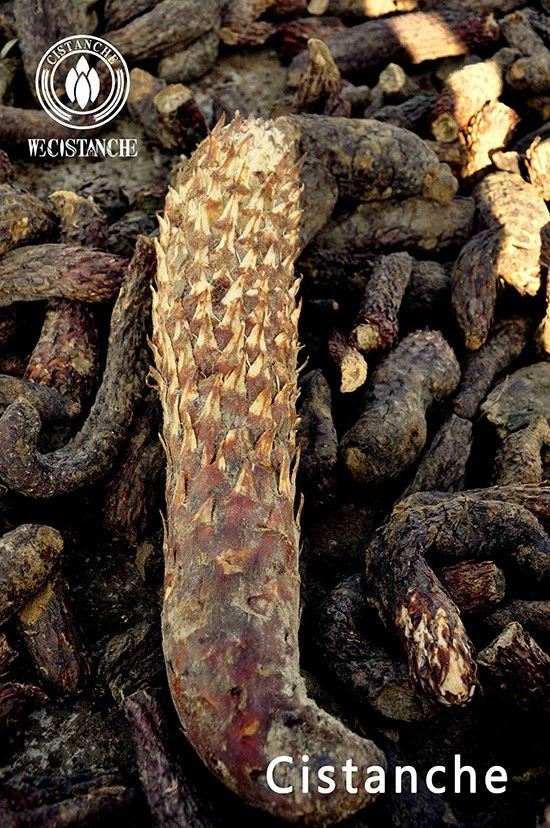
In the vast and boundless desert, there is a plant that grows tenaciously, which is called the "desert ginseng," Cistanche deserticola. Cistanche deserticola is a parasitic plant that parasitizes the roots of the desert plant Salix matsudana, and has low requirements for soil and water. It mainly grows in the Gobi Desert environment with extreme drought climate, strong sunshine, annual precipitation less than 250mm, drastic changes in temperature, strong winds and sand, poor soil development, medium fine sand, thin soil layer with coarse texture, neutral or slightly alkaline, high salt content, and lack of organic matter.
Cistanche
The morphology of Cistanche deserticola is very unique. It is a perennial parasitic herb, with a height of 40-160cm. The stem is fleshy, with a single or basal part consisting of 2 or 3 branches. The lower part is 5-15cm wide, and the upper part gradually becomes thinner, with a width of 2-5cm. Leaves numerous, scaly, arranged in a spiral pattern, pale yellow white, without a petiole. The lower leaves are arranged tightly, with a wide or triangular ovate shape, measuring 0.5-1cm in length and 1-2cm in width. The upper leaves are sparse and linear lanceolate, measuring 1-4cm in length and 0.5-1cm in width. Both sides are hairless. Spike inflorescence, 15-50cm long; Bract 1, linear lanceolate or ovate lanceolate, 2-4cm long, 0.5-0.8cm wide, sparsely hairy or nearly hairless; 2 bracteoles, ovate lanceolate, equal or slightly longer than sepals, sparsely hairy or hairless; Calyx bell shaped, 1-1.5cm long, 5-lobed, lobes nearly ballpoint pen shaped; Corolla cylindrical bell shaped, 3-4cm long, with 5 lobes, unfolded, nearly semi-circular; The flower is yellow white, light purple, and turns brown after drying. There are two vertical bright yellow protrusions inside the tube; Stamens 4, two strong, nearly concealed, filaments slightly curved at the upper part, base wrinkled with long soft hairs, anthers arrow shaped, covered with long soft hairs; The ovary is superior, with yellow dense glands at the base, a slender style, an inward folding tip, and a nearly spherical stigma. Capsule ovate, 2-lobed, brown. The seeds are mostly small, oval-shaped, with a network-like surface and a glossy appearance. The flowering period is from May to June, and the fruiting period is from June to July.
Cistanche deserticola has a long history of application in traditional medicine and is an extremely precious Chinese medicinal herb. As early as in the "Shennong Bencao Jing", Cistanche deserticola was listed as a top-grade herb, recorded as "sweet in taste, slightly warm. It is mainly used for five labor and seven injuries, tonifying the middle, removing cold and hot pain in the stem, nourishing the five organs, strengthening yin, nourishing essence and qi, having many children, treating women's ailments, and taking it for a long time to lighten the body. The Compendium of Materia Medica also provides a detailed explanation of the efficacy of Cistanche deserticola. "Cistanche deserticola has a sweet and salty taste, a warm nature, and is non-toxic. It can tonify the kidneys and strengthen yang, nourish essence and blood, moisten the intestines, and promote bowel movements. It can treat male infertility and female infertility, moisturize the five organs, build muscles, warm the waist and knees, male ejaculation, urinary bleeding, and female vaginal pain. The records in these ancient classics fully demonstrate the significant effects of Cistanche deserticola in tonifying the kidney and yang, nourishing essence and blood, moistening the intestines and promoting bowel movements, and provide important reference for its application in modern medicine.
The principle of Cistanche deserticola protecting residual renal function revealed
(1) Anti-inflammatory effect
Inflammation is like a "time bomb" for kidney health, playing a crucial role in the development of chronic kidney disease. Inflammation can lead to a large infiltration of inflammatory cells in kidney tissue, which release various inflammatory mediators such as tumor necrosis factor-α (TNF-α), interleukin-6 (IL-6), etc. These inflammatory mediators will further exacerbate the inflammatory response, causing direct damage to kidney cells, leading to the destruction of the structure and function of kidney cells, and accelerating the deterioration of kidney function.
Cistanche deserticola is like a brave "anti-inflammatory defender", rich in various effective ingredients such as polysaccharides, flavonoids, etc., which have strong anti-inflammatory abilities. Research has shown that extracts from Cistanche deserticola can significantly inhibit the production of inflammatory mediators, reduce the infiltration of inflammatory cells into renal tissue, and effectively alleviate renal inflammation. In a study on experimental animals, it was found that after administering Cistanche deserticola extract to animals with kidney inflammation, the levels of inflammatory mediators in their kidney tissues were significantly reduced, and the infiltration of inflammatory cells was also significantly reduced, resulting in a significant improvement in the inflammatory state of the kidneys.

Cistanche deserticola -anti-inflammatory
(2) Antioxidant effect
Oxidative stress is the "invisible killer" of the kidneys. In patients with chronic kidney disease, due to metabolic disorders and other reasons, a large amount of free radicals is produced. These free radicals are like a group of "troublemakers" with strong oxidizing properties, attacking biomolecules such as lipids, proteins, and DNA in kidney cells, causing lipid peroxidation, protein denaturation, and DNA damage to the cell membrane, thereby disrupting the normal structure and function of kidney cells and leading to the occurrence and development of kidney diseases.
Cistanche deserticola is a superhero of antioxidants, rich in various antioxidant components such as polysaccharides, flavonoids, and phenolic acids. These antioxidant components can act like "scavengers", clearing excess free radicals from the body and reducing oxidative stress damage to kidney cells. The phenylethanoid glycosides in Cistanche deserticola can directly neutralize excessive free radicals in the body and alleviate oxidative stress damage to cells. Cistanche deserticola can also activate endogenous antioxidant enzyme systems such as superoxide dismutase (SOD) and glutathione peroxidase (GSH Px), enhance the body's own antioxidant capacity, and better protect the kidneys from oxidative stress damage.
(3) Immune regulatory effect
The immune system is the body's "defense force", but when the immune system is abnormal, it may launch an "attack" on the kidneys, causing autoimmune damage to the kidneys. In some autoimmune diseases, such as systemic lupus erythematosus, rheumatoid arthritis, etc., the immune system incorrectly recognizes kidney tissue as a foreign pathogen, thereby producing autoantibodies against the kidneys. After binding to kidney tissue, these autoantibodies activate the complement system, triggering a series of immune responses that lead to inflammation and damage to kidney tissue.
Cistanche deserticola is like a "master regulator" of the immune system, which can regulate the body's immune response and promote immune balance. The extract of Cistanche deserticola can affect the activity of T cells and B cells, restore the normal functional state of the immune system, and reduce autoimmune damage to the kidneys. Research has shown that for patients with nephritis, treatment with Cistanche deserticola significantly improves their immune function, reduces inflammation, and effectively controls kidney damage.

Cistanche deserticola -protects kidney function
Click here to view Cistanche for Kidney disease products
【Ask for more】 Email: Email:cindy.xue@wecistanche.com / WhatsApp: 0086 18599088692 / Wechat: 18599088692
(4) Anti-renal fibrosis effect
Renal fibrosis is an important sign of the advanced development of chronic kidney disease, just like the kidneys being trapped in a "fibrotic cage", seriously threatening their function. When the kidneys suffer long-term damage, fibroblasts in the kidneys are activated, proliferate extensively, and synthesize excessive extracellular matrix such as collagen. These extracellular matrices will excessively deposit in kidney tissue, causing the normal structure of the kidney to be disrupted and gradually replaced by fibrous tissue, resulting in the loss of normal kidney function.
Cistanche deserticola is a key weapon against renal fibrosis, as it can inhibit the expression of key molecules involved in renal fibrosis, such as transforming growth factor-β (TGF-β). TGF-β is a key regulatory factor in the process of renal fibrosis, which can promote the proliferation and differentiation of fibroblasts, increase collagen synthesis, and accelerate the progression of renal fibrosis. The active ingredients in Cistanche deserticola can inhibit the expression and activity of TGF-β, reduce collagen synthesis, and promote collagen degradation, thereby improving extracellular matrix remodeling and delaying the process of renal fibrosis. Preclinical studies have shown that animals treated with Cistanche deserticola have significantly reduced levels of renal fibrosis and effective protection of renal function.
(5) Improving renal function
The improvement effect of Cistanche deserticola on kidney function is like injecting vitality into the kidneys. It can increase the filtration and clearance rates of the kidneys through various pathways. The active ingredients, such as polysaccharides and alkaloids, in Cistanche deserticola can improve renal hemodynamics, increase renal blood perfusion, provide sufficient nutrition and oxygen for renal cells, and maintain normal renal cell function. Cistanche deserticola can also improve glomerular filtration rate and tubular reabsorption function, enabling the kidneys to more effectively filter waste and excess water from the blood, while reducing the loss of useful substances, thereby reducing the burden on the kidneys and improving kidney function. Animal experiments and clinical studies have shown that after treatment with Cistanche deserticola, patients' urinary protein and blood creatinine levels are significantly reduced, and renal function is significantly improved.

Desert ginseng improves kidney function
Clinical research and case studies
Clinical research is a key step in verifying the protective effect of Cistanche deserticola on residual renal function. In a joint study conducted by the Nephrology Department of Hebei Provincial Geriatric Hospital and other hospitals, researchers used a self-controlled study method to conduct in-depth observations on 90 hemodialysis patients. These 90 patients are from the Nephrology Department of Hebei Provincial Geriatric Hospital, the Nephrology Department of Hebei Youai Hospital, the Nephrology Department of Hebei University Affiliated Hospital, and the Nephrology Department of the Third Affiliated Hospital of Peking University School of Medicine. Their age is 55.0 ± 8.5 years, with a course of 11.0 ± 5.6 years. The primary diseases include chronic glomerulonephritis, hypertensive kidney damage, drug-induced kidney damage, polycystic kidney disease, gouty kidney disease, and other types.
During the research process, patients in the first 3 months served as a blank control group, receiving only routine drug treatments such as lowering blood sugar, lowering blood pressure, regulating lipid, adjusting calcium and phosphorus metabolism, correcting anemia, and regular dialysis. Dialysis was performed 3 times a week for 4 hours each time, with blood flow maintained at 200-250mL/min and carbonate dialysate flow rate at 500mL/min. For the next 3 months, they will be treated with Cistanche deserticola orally daily in addition to routine dialysis.
The research results are surprising, as patients who received treatment with Cistanche deserticola showed significant improvement in various renal function indicators. The 24-hour urine output has significantly increased, which means that the excretion function of the kidneys has improved and can better eliminate excess water and metabolic waste from the body. Before dialysis, the levels of blood urea nitrogen and blood phosphorus significantly decreased. Blood urea nitrogen is the end product of protein metabolism, while blood phosphorus is closely related to calcium and phosphorus metabolism. Their decrease indicates an enhanced ability of the kidneys to clear these substances and an effective improvement in renal function.
In addition to the overall clinical research data, we can also more intuitively experience the magical effects of Cistanche deserticola through some specific patient cases. Mr. Li, a 65-year-old patient, has been suffering from chronic glomerulonephritis for many years and has gradually developed into chronic kidney failure. He has been receiving maintenance hemodialysis for 3 years. Before treatment with Cistanche deserticola, his physical condition was poor, and he often felt fatigue and loss of appetite. His 24-hour urine output was only about 450mL, and his blood urea nitrogen was as high as 25mmol/L, and blood phosphorus was 2.2mmol/L before dialysis. After 3 months of treatment with Cistanche deserticola, his physical condition improved significantly, with reduced fatigue, increased appetite, and a noticeable improvement in mental state. When rechecking renal function indicators, it was found that the 24-hour urine output increased to 600mL, blood urea nitrogen decreased to 20mmol/L, and blood phosphorus decreased to1.8mmol/Ll/L. Mr. Li sighed and said, "Cistanche deserticola is like my savior, helping me regain hope in life. Now I feel like I can live like a normal person again.
Another patient, Ms. Zhang, aged 58, suffered from kidney failure due to hypertension and kidney damage, and underwent hemodialysis for over 2 years. She has been experiencing poor nutritional status and high inflammatory markers during the dialysis process, with hemoglobin levels of only 90g/L and high-sensitivity C-reactive protein levels as high as 15mg/L. After treatment with Cistanche deserticola, her nutritional status and inflammatory indicators were significantly improved. After 2 months of treatment, hemoglobin increased to 105g/L and high-sensitivity C-reactive protein decreased to 8mg/L. Ms. Zhang said happily, "I used to worry about my health getting worse and worse, but now seeing the improvement in these indicators, I am full of confidence for the future
These clinical studies and patient cases fully demonstrate the significant effect of Cistanche deserticola in protecting residual renal function, bringing new hope and treatment options for patients with chronic kidney disease.
Suggestions for the correct use of Cistanche deserticola
Although Cistanche deserticola has significant effects on protecting residual kidney function, proper usage is crucial. Before using Cistanche deserticola, it is important to consult a professional doctor for advice. Doctors will provide the most suitable usage plan based on the patient's specific condition, physical condition, and other factors such as the medication being taken. Because everyone's physical condition and illness are different, blindly using Cistanche deserticola may not only fail to achieve the expected results, but may also cause some adverse reactions.
The common uses of Cistanche deserticola are as follows:
Boiling: This is a more traditional usage. Wash 10-15 grams of Cistanche deserticola and place it in a clay pot. Add an appropriate amount of water and bring to a boil over high heat. Then reduce the heat and simmer for about 30 minutes. Take the juice and drink. This method can fully dissolve the active ingredients in Cistanche deserticola in water, making it easier for the human body to absorb. After boiling, Cistanche deserticola can be repeatedly boiled 2-3 times to fully utilize its medicinal properties.

Cistanche wine
Soaking: cut the Cistanche deserticola into thin pieces, put them into a clean glass bottle, add an appropriate amount of high Baijiu, and generally soak them in a ratio of 1:10-1:20 between Cistanche deserticola and Baijiu. After sealing the bottle mouth, place it in a cool and dry place, and shake the bottle every few days to allow the Cistanche deserticola to fully contact with the wine. After soaking for 2-4 weeks, the color of the wine gradually darkens, and it is ready to drink. Cistanche deserticola wine has the effects of tonifying the kidney and yang, nourishing essence and blood, etc. However, it should be noted that alcohol also has a certain burden on the kidneys, so drinking alcohol in moderation, especially for patients with renal insufficiency, should be consumed with caution.
Tea making: Cut the Cistanche deserticola into thin slices, take 3-5 grams each time, brew with boiling water, cover for 5-10 minutes, and then drink. It can be brewed multiple times until the taste becomes lighter. This method is simple and convenient, suitable for daily health care, but because some components in Cistanche deserticola may be difficult to completely dissolve in water, its efficacy may be slightly weaker compared to boiling and soaking in wine.
Stewed soup: When stewing chicken soup, pork rib soup, and other soups, an appropriate amount of Cistanche deserticola can be added. Usually, about 10 grams of Cistanche deserticola are paired with every 500 grams of meat. Put the Cistanche deserticola and ingredients together in a pot, add an appropriate amount of water and seasonings, and simmer for 1-2 hours to fully integrate the nutrients of Cistanche deserticola into the soup. This not only makes the soup more delicious but also has a nourishing effect on the body.
Boil Congee: wash and cut the cistanche into small pieces, and cook Congee with rice or other grains. Usually, 5-10 grams of Cistanche deserticola are paired with every 100 grams of grains. First, put the cistanche and grains into the pot, add some water, boil it over high heat, then turn to low heat and slowly cook it until the Congee is cooked. Cistanche Congee has the effect of tonifying the kidney and yang, strengthening the spleen and stomach, and is suitable for breakfast or dinner.