The Key Points Of Diagnosis And Treatment Of Uremia, Everything You Want To Know Is Here
Jul 06, 2023
Uremia is not a mysterious disease. It is a general term for all chronic kidney diseases in the late stage. The medical terminology is called "chronic renal failure". Many people one-sidedly understand uremia as an obstacle to the detoxification function of the kidneys, so they are extremely sensitive to the index of "serum creatinine", which is very superficial and one-sided.

Click to organic cistanche for kidney disease
Detoxification only involves a small part of kidney function. End-stage kidney disease can involve many aspects of dysfunction, such as disturbance of water, electrolyte balance, and acid-base balance, a decline of heart and lung function, a decline of hematopoietic function, mineral Osteoporosis caused by substance and bone metabolic dysfunction, menstrual abnormalities and systemic resistance decline caused by endocrine and immune dysfunction. The clinical manifestations of uremia vary widely, and the level of serum creatinine must not be exclusively judged.
Pay attention to the following issues when judging renal function and diagnosing uremia:
1. Multi-angle, all-round comprehensive screening to prevent missed or misdiagnosed
Checks that should be done for unexplained renal dysfunction: renal function, blood routine, urine routine, imaging examination (ultrasound, CT, SPE-CT), fundus examination, antibodies related to vasculitis (ANA spectrum, ANCA), Indicators of inflammatory state and bone marrow-related diseases (CCP, light chain), etc.
2. The state of residual renal function should be evaluated mainly
Uremia is a disease that cannot be eradicated, but clinically effective treatment can reduce the workload and slow down the progress of the remaining renal function. At present, most of the world's treatment vision is focused on this aspect, and it is also the direction of clinical doctors' efforts. Therefore, after the diagnosis of uremia, the state of residual renal function must be carefully evaluated, especially in the state of water, electrolyte, and acid-base imbalance, residual glomerular filtration rate (rGFR), residual renal ability to regulate blood pressure, and hematopoietic The state of blood coagulation function and other aspects are mainly evaluated.
About the treatment of uremia
The main points of uremia treatment are highlighted in "paying what you can"! That is, the existing state of renal function determines the intake of protein in the diet. Excessive protein intake will increase the workload of residual renal function and accelerate its functional decline due to the decline of renal function and the inability to effectively remove its metabolites. Excessive accumulation of nitrogen metabolites and water in the body can cause more serious symptoms such as coma, cramps, palpitations, chest tightness, sudden rise in blood pressure, and hemoptysis.
When chronic kidney disease enters the uremia stage, it is often irreversible. All the remarks that can cure uremia are either hooligans or liars!

The treatment of the uremia stage focuses on the following aspects:
1. Diet therapy
Try to avoid foods with high vegetable protein content, and eat high-quality protein with high biological value as much as possible. Its intake should be properly adjusted according to the glomerular filtration rate (GFR). When the GFR is 10-20 ml/min, a low-protein diet (LPP) is given, and the protein amount is 0.6g (㎏.d), which can meet the Physiological needs and can reduce the symptoms of uremia, delay the progress of renal insufficiency. For those with GFR<5ml/min, the amount of protein should be controlled at around 20g/d.
The dietary treatment of uremia is specifically summarized as the following points:
① Reasonable low-protein diet;
② Adequate calorie intake;
③Reasonable intake of essential amino acids and a-keto acids;
④Comprehensive balance of intake of various nutrients and additional supplementation of some special nutrients (such as iron, zinc, and other trace elements, L-carnitine, etc.);
⑤ Improve appetite to ensure adequate intake of nutrients;
⑥Improve the internal environment of the body, correct the metabolism of various nutrients to be normal, or return to normal.
2. Take more rest and avoid physical labor and prolonged exercise
Reasonable exercise is necessary for patients with uremia, but the intensity and frequency of exercise should vary from person to person according to the state of renal function, and it is best to do it under the guidance of professional medical staff.
3. Drug treatment:
①Correction of metabolic acidosis: mainly oral sodium bicarbonate (NaHCO3), if necessary, intravenous infusion.
② Prevention and treatment of hyperkalemia: First of all, the occurrence of hyperkalemia should be actively prevented. While restricting potassium intake, attention must also be paid to the timely correction of acidosis to prevent the transfer of intracellular potassium to the outside of the cell; some patients can be appropriately administered diuretics to increase urinary potassium excretion, and oral potassium-lowering resins can increase intestinal potassium excretion. To more effectively prevent and treat hyperkalemia.
③ Prevention and treatment of hypokalemia: due to insufficient intake, gastrointestinal loss (vomiting, diarrhea), excessive alkali supplementation, excessive diuresis, etc., it is not uncommon for patients to suffer from hypokalemia. Some dialysis patients are also prone to hypokalemia due to excessive potassium loss in the dialysate and failure to replenish it in time. Oral potassium supplementation may be given, or intravenous infusion of glucose potassium chloride solution may be considered as needed.
④Correction of renal anemia: It is advocated clinically to use a small dose of erythropoietin (EPO) for subcutaneous injection of 150u per kilogram of body weight per week to gradually increase hemoglobin and maintain it at a level of 100-120g/L. During use, 80% to 90% of patients need to supplement iron, folic acid, and other hematopoietic raw materials. Roxadustat, the latest oral anemia-correcting drug in the world, has recently entered our country. It can replace erythropoietin to correct anemia and avoid the pain of subcutaneous injection.

4. Renal replacement therapy:
①Hemodialysis: Using the principle of semi-permeable membrane, the patient's blood and dialysate are introduced into the dialyzer at the same time, and flow in the opposite direction on both sides of the dialysis membrane. , adsorption to remove toxins in the solute; remove excessive water retention in the body through ultrafiltration and osmosis; at the same time replenish the substances needed by the body and correct electrolyte and acid-base balance disorders. A few weeks before hemodialysis, an arteriovenous fistula can be prefabricated to provide long-term vascular access to the patient. Hemodialysis is generally done 2 to 3 times a week, 4 to 5 hours each time. The duration of each dialysis depends on the performance of the dialysis membrane and the clinical condition.
②Peritoneal dialysis: using the peritoneum as a semipermeable membrane, injecting dialysate into the peritoneal cavity through the peritoneal dialysis catheter, with the help of the solute concentration and osmotic gradient in the capillary blood on both sides of the peritoneum and the dialysate in the peritoneal cavity, through the principle of diffusion and osmosis To remove the body's metabolic waste, poisons, and excess water (excluded with the waste dialysate), correct electrolyte imbalance.
In the past 10 years, both the peritoneal dialysis device and the concept of peritoneal dialysis treatment have undergone tremendous changes. my country has become the most advanced country in the world in peritoneal dialysis technology. In the past, it was always believed that peritoneal dialysis was prone to abdominal infection. With the improvement of dialysis equipment, this complication is now very rare or rare. A large number of studies have found that the biggest advantage of peritoneal dialysis is not simply to remove toxins from the human body, but that it has the special effect of protecting the residual renal function of the human body. The sooner it is treated, the better its protective effect on residual renal function.
③ Kidney transplantation: Successful kidney transplantation will restore normal renal function (including endocrine and metabolic functions). Kidneys can be donated from cadavers or relatives (kidneys donated by siblings or parents), and the effect of relative kidney transplantation is better. Kidney transplantation requires long-term use of immunosuppressive drugs to resist rejection.
How does Cistanche treat kidney disease?
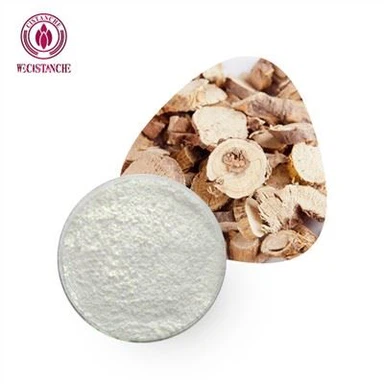
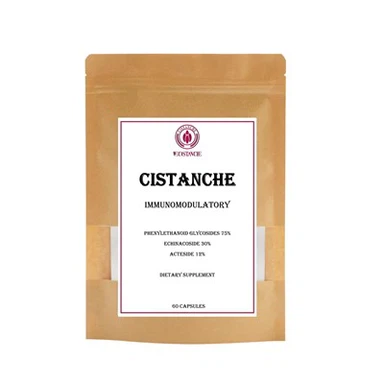
Cistanche is a traditional Chinese herbal medicine used for centuries to treat various health conditions, including kidney disease. It is derived from the dried stems of Cistanche deserticola, a plant native to the deserts of China and Mongolia. The main active components of cistanche are phenylethanoid glycosides, echinacoside, and acteoside, which have been found to have beneficial effects on kidney health.
Kidney disease, also known as renal disease, refers to a condition in which the kidneys are not functioning properly. This can result in a buildup of waste products and toxins in the body, leading to various symptoms and complications. Cistanche may help treat kidney disease through several mechanisms.
Firstly, cistanche has been found to have diuretic properties, meaning it can increase urine production and help eliminate waste products from the body. This can help relieve the burden on the kidneys and prevent the buildup of toxins. By promoting diuresis, cistanche may also help reduce high blood pressure, a common complication of kidney disease.
Moreover, cistanche has been shown to have antioxidant effects. Oxidative stress, caused by an imbalance between the production of free radicals and the body's antioxidant defenses, plays a key role in the progression of kidney disease. Cistanche's antioxidant properties help neutralize free radicals and reduce oxidative stress, thereby protecting the kidneys from damage. The phenylethanoid glycosides found in cistanche have been particularly effective in scavenging free radicals and inhibiting lipid peroxidation.
Additionally, cistanche has been found to have anti-inflammatory effects. Inflammation is another key factor in the development and progression of kidney disease. Cistanche's anti-inflammatory properties help reduce the production of pro-inflammatory cytokines and inhibit the activation of inflammatory pathways, thus alleviating inflammation in the kidneys.
Furthermore, cistanche has been shown to have immunomodulatory effects. In kidney disease, the immune system can be dysregulated, leading to excessive inflammation and tissue damage. Cistanche helps regulate the immune response by modulating the production and activity of immune cells, such as T cells and macrophages. This immune regulation helps reduce inflammation and prevent further damage to the kidneys.
Moreover, cistanche has been found to improve renal function by promoting the regeneration of renal tub with cells. Renal tubular epithelial cells play a crucial role in the filtration and reabsorption of waste products and electrolytes. In kidney disease, these cells can be damaged, leading to impaired renal function. Cistanche's ability to promote the regeneration of these cells helps restore proper renal function and improve overall kidney health.

In addition to these direct effects on the kidneys, cistanche has been found to have beneficial effects on other organs and systems in the body. This holistic approach to health is particularly important in kidney disease, as the condition often affects multiple organs and systems. Cistanche has been shown to have protective effects on the liver, heart, and blood vessels, which are commonly affected by kidney disease. By promoting the health of these organs, cistanche helps improve overall kidney function and prevent further complications.
In conclusion, cistanche is a traditional Chinese herbal medicine used for centuries to treat kidney disease. Its active components have diuretic, antioxidant, anti-inflammatory, immunomodulatory, and regenerative effects, which help improve renal function and protect the kidneys from further damage. Moreover, cistanche has beneficial effects on other organs and systems, making it a holistic approach to treating kidney disease.