2021 KDIGO Guidelines For Glomerular Diseases
Jul 06, 2023
Glomerular diseases are a group of diseases involving the glomerulus of both kidneys and their etiology, pathogenesis, pathological changes, clinical manifestations, course of disease and prognosis are different. In 2021, KDIGO released the first guidelines on glomerular diseases, involving 12 glomerular diseases. However, almost two years have passed since the guideline was issued, and many new developments have been made in the study of glomerular diseases, but these advances have not been included in the guideline.

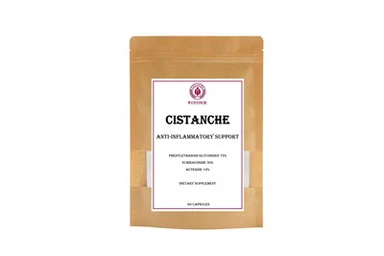
Click to cistanche herba for kidney disease
In June 2023, experts commented and recommended each glomerular disease involved in the KDIGO guidelines by evaluating existing evidence and combining clinical practice, and adding some new content. These latest research results and expert consensus can help doctors make more accurate diagnoses and treatment decisions, and at the same time provide better medical services for patients.
MCD
1 Diagnosis and risk prediction
KDIGO guidelines recommend:
①The diagnosis of MCD is only by renal biopsy;
② Adult patients with MCD who respond to glucocorticoid therapy have a higher long-term renal survival rate, but there is no better risk prediction scheme for non-responsive patients;
③ High-dose oral corticosteroids are recommended as the initial treatment for MCD.
Expert advice:
Experts preliminarily agree with the above opinions, especially ① and ②. As for item ③, experts have some supplements. It is recommended that patients with MCD should avoid statins or renin-angiotensin inhibitors (RASi). It is worth noting that the above drugs are commonly used in other patients with nephrotic syndrome, but MCD patients can achieve clinical remission without the use of the above drugs. In addition, clinicians should rule out secondary causes of MCD, such as malignancy, use of nonsteroidal anti-inflammatory drugs (NSAIDs), systemic lupus erythematosus (SLE), etc.
2 treatments
KDIGO guidelines recommend:
①The longest course of treatment for MCD receiving high-dose corticosteroids should not exceed 16 weeks.
Expert advice:
Experts agree, noting that recent studies have reaffirmed the higher response rates in patients treated with high-dose corticosteroids for up to 16 weeks; beyond 16 weeks, there is no significant increase in efficacy and there is an increased risk of adverse events.
KDIGO guidelines recommend:
② In the second week after complete remission, the dose of glucocorticoids can be gradually reduced.
Expert advice:
The evidence for the above recommendations comes from pediatric patients, not adult patients, but experts still believe that this drug reduction strategy can be tried in adult patients. Of note, the dose should be tapered slowly over a total 24-week period.

KDIGO guidelines recommend:
③Although oral corticosteroids are commonly used in the treatment of MCD, the route, and frequency of administration can be adjusted individually according to the needs of patients.
Expert advice:
Daily or every other day oral glucocorticoids are safe and effective for adult patients with MCD, and intravenous glucocorticoids are recommended for patients with intestinal edema.
KDIGO guidelines recommend:
④ For patients with contraindications to glucocorticoids, cyclophosphamide, calcineurin inhibitor (CNI) or mycophenolate mofetil (MMF) can be used for initial treatment.
Expert advice:
According to new developments in recent years, among alternative drugs, CNI should be the first choice, followed by mycophenolic acid analogs or rituximab. The potential risks of gonadal suppression, serious infection, and advanced malignancy should be considered before using cyclophosphamide. In addition, for MCD patients with frequent relapses, repeated or long-term use of glucocorticoids should be avoided, and alternative therapies such as CNI, MMF, rituximab, and cyclophosphamide should be used.
FSGS
1 Diagnosis and Differentiation
KDIGO guidelines recommend:
① For adult patients with FSGS without nephrotic syndrome, it is necessary to evaluate whether it is secondary FSGS.
Expert advice:
FSGS has long been used to describe one cause of nephrotic syndrome, the specific appearance of glomeruli under a light microscope. However, current research has clarified that FSGS may be caused by damage caused by different etiologies (genetic, drug, viral, immune-mediated, etc.), may have different responses to treatment, and have different prognoses. KDIGO classifies FSGS as primary or secondary, but in reality, FSGS can be divided into 4 subcategories. ①Primary FSGS, characterized by: typical immune-mediated nephropathy that responds to immunosuppressive therapy; ②hereditary FSGS; ③secondary FSGS caused by viruses and drugs; ④FSGS of unknown etiology. It should be focused on judging whether FSGS patients with proteinuria <3.5 g/d, or proteinuria ≥3.5 g/d combined with elevated glutamyl transpeptidase (3.0 g/dL) are secondary FSGS. In addition, a history of preterm birth is also a potential etiology for FSGS patients with reduced nephron numbers.
KDIGO guidelines recommend:
② Genetic testing benefits some FSGS patients, and some patients should be referred to medical centers with such services.
Expert advice:
Genetic testing is necessary for patients with FSGS. Although previous consensus and guidelines suggested that FSGS patients do not need to undergo genetic testing, a series of recent studies have shown that genetic testing has three important implications for FSGS patients.
The first is establishing a drug regimen. Among adult patients with steroid-resistant FSGS confirmed by renal biopsy, as many as 11% to 24% of patients have type IV collagen or podocyte gene mutations. Therefore, for patients with such modifications, hormone therapy may do more harm than good.
The second item is to determine whether to accept kidney transplantation. Patients with inherited FSGS have a low risk of disease recurrence after kidney transplantation.
The third item is to identify risk groups. If the cause of FSGS is found to be a gene mutation, the immediate family members of the patient should be checked for early diagnosis and treatment. In addition, fertility advice may also be beneficial.
2 Management of patients with secondary or unexplained FSGS
KDIGO guidelines recommend:
① Patients with FSGS of unknown etiology or secondary FSGS cannot receive immunosuppressive therapy.
Expert advice:
Patients with FSGS of unknown etiology or secondary FSGS are unlikely to benefit from immunosuppressive therapy. Treatment modalities include RASi, blood pressure control, sodium restriction, and treatment of the etiology (eg, drug use, infection, etc.) in patients with secondary FSGS.
3 INITIAL TREATMENTS FOR PATIENTS WITH PRIMARY FSGS
KDIGO guidelines recommend:
① For patients with primary FSGS, the recommended initial treatment is oral high-dose glucocorticoids;
② Oral high-dose glucocorticoid therapy should be continued for 16 weeks or achieve complete remission;
③ The course of glucocorticoid therapy should be ≥ 6 months;
④ For adult patients with FSGS who have relative contraindications or intolerance to glucocorticoids, CNI should be considered as initial treatment.
Expert advice:
Current evidence shows that for patients with primary FSGS, CNI is as effective and safe as glucocorticoids, but considering the cost of treatment, glucocorticoids are the first choice in clinical practice. Experts have different opinions on the course of glucocorticoids. First, if glucocorticoid therapy is only used to improve proteinuria, it is unreasonable to continue high-dose glucocorticoid therapy for 16 weeks. Second, if the patient achieves a partial response (response to treatment), corticosteroid therapy can be maintained for up to 16 weeks.
CNI can be a replacement therapy for glucocorticoids, but experts have given different practical recommendations on the dosage and timing of CNI withdrawal. First, the recommended dose of CNI should be titrated individually; second, proteinuria and creatinine levels have a dose-dependent relationship with CNI. However, in clinical practice, it can be found that creatinine levels in patients receiving CNI therapy increase, or can exceed 30% of baseline, and the CNI should be reduced at this time. If the creatinine does not decrease or even increase after CNI reduction, the drug should be discontinued.
4 Treatment of patients with steroid-resistant primary FSGS
KDIGO guidelines recommend:
① For patients with steroid-resistant primary FSGS, it is recommended to use cyclosporine or tacrolimus for 6 months or more, rather than continuing to use glucocorticoid monotherapy or giving up treatment.
Expert advice:
Patients with steroid-resistant primary FSGS should be considered if they do not respond after 16 weeks of oral high-dose corticosteroid therapy. Currently, CNI has the most clinical data and should be used as the first-line second-line drug for primary FSGS. Randomized controlled studies support that cyclosporine can improve renal function in patients with primary FSGS, and observational studies show that tacrolimus is a comparable alternative. In addition, attention should be paid to the side effects of the two drugs, that is, tacrolimus affects glucose tolerance, while cyclosporine is associated with an increased risk of dyslipidemia and hypertension.
5 CNI treatment
KDIGO guidelines recommend:
① Adult patients with primary FSGS who respond to CNI therapy should receive CNI therapy for at least 12 months to minimize the risk of recurrence;
②For CNI-resistant or intolerant steroid-resistant primary FSGS patients, they should be referred to specialized centers, and re-renal biopsy, renal replacement therapy, or inclusion in clinical trials should be considered.

Expert advice:
Experts agreed with the above point of view and suggested that genetic testing should also be added to the above patients. The genes of these patients may have COL4A or APOL1 mutations, which are important factors leading to drug resistance in patients. Clear genetic information can direct patients to specific clinical trials.
How does Cistanche treat kidney disease?
Cistanche is a traditional Chinese herbal medicine used for centuries to treat various health conditions, including kidney disease. It is derived from the dried stems of Cistanche deserticola, a plant native to the deserts of China and Mongolia. The main active components of cistanche are phenylethanoid glycosides, echinacoside, and acteoside, which have been found to have beneficial effects on kidney health.
Kidney disease, also known as renal disease, refers to a condition in which the kidneys are not functioning properly. This can result in a buildup of waste products and toxins in the body, leading to various symptoms and complications. Cistanche may help treat kidney disease through several mechanisms.
Firstly, cistanche has been found to have diuretic properties, meaning it can increase urine production and help eliminate waste products from the body. This can help relieve the burden on the kidneys and prevent the buildup of toxins. By promoting diuresis, cistanche may also help reduce high blood pressure, a common complication of kidney disease.
Moreover, cistanche has been shown to have antioxidant effects. Oxidative stress, caused by an imbalance between the production of free radicals and the body's antioxidant defenses, plays a key role in the progression of kidney disease. Cistanche's antioxidant properties help neutralize free radicals and reduce oxidative stress, thereby protecting the kidneys from damage. The phenylethanoid glycosides found in cistanche have been particularly effective in scavenging free radicals and inhibiting lipid peroxidation.
Additionally, cistanche has been found to have anti-inflammatory effects. Inflammation is another key factor in the development and progression of kidney disease. Cistanche's anti-inflammatory properties help reduce the production of pro-inflammatory cytokines and inhibit the activation of inflammatory pathways, thus alleviating inflammation in the kidneys.
Furthermore, cistanche has been shown to have immunomodulatory effects. In kidney disease, the immune system can be dysregulated, leading to excessive inflammation and tissue damage. Cistanche helps regulate the immune response by modulating the production and activity of immune cells, such as T cells and macrophages. This immune regulation helps reduce inflammation and prevent further damage to the kidneys.
Moreover, cistanche has been found to improve renal function by promoting the regeneration of renal tub with cells. Renal tubular epithelial cells play a crucial role in the filtration and reabsorption of waste products and electrolytes. In kidney disease, these cells can be damaged, leading to impaired renal function. Cistanche's ability to promote the regeneration of these cells helps restore proper renal function and improve overall kidney health.

In addition to these direct effects on the kidneys, cistanche has been found to have beneficial effects on other organs and systems in the body. This holistic approach to health is particularly important in kidney disease, as the condition often affects multiple organs and systems. Cistanche has been shown to have protective effects on the liver, heart, and blood vessels, which are commonly affected by kidney disease. By promoting the health of these organs, cistanche helps improve overall kidney function and prevent further complications.
In conclusion, cistanche is a traditional Chinese herbal medicine used for centuries to treat kidney disease. Its active components have diuretic, antioxidant, anti-inflammatory, immunomodulatory, and regenerative effects, which help improve renal function and protect the kidneys from further damage. Moreover, cistanche has beneficial effects on other organs and systems, making it a holistic approach to treating kidney disease.
References:
1. Beck LH Jr, Ayoub I, Caster D, et al. KDOQI US Commentary on the 2021 KDIGO Clinical Practice Guideline for the Management of Glomerular Diseases. Am J Kidney Dis. 2023 Jun 9:S0272-6386(23)00591-7 .