The Latest High-scoring Research Reveals: The Grim Truth About The Long-term Prognosis Of Patients With IgA Nephropathy!
May 18, 2023
IgA nephropathy is the most common primary glomerulonephritis and the leading cause of chronic kidney disease (CKD) and renal failure worldwide. Risk assessment as soon as possible after diagnosis is important for both clinical management and the development of new therapies.

Click to genghis khan cistanche for kidney disease
The current research on the risk assessment of IgA nephropathy progression has a short follow-up period, and the results are not accurate. A focus of recent research has been the identification of surrogate endpoints to predict long-term clinical outcomes. Proteinuria reduction has recently been recognized by regulatory agencies as a "reasonably likely" surrogate endpoint for IgA nephropathy. However, there are still some unresolved questions. The first is to what extent this short-term proteinuria and eGFR data can predict the long-term loss rate of eGFR and the risk of renal failure in patients with IgA nephropathy; The degree of proteinuria reduction, in order to achieve the effect of preventing the patient from progressing to renal failure throughout his life. According to the KDIGO 2021 Clinical Practice Guidelines for the Management of Glomerular Diseases, reducing proteinuria to <1 g/day is considered a "reasonable treatment goal" for patients with IgA nephropathy. However, the long-term prognosis of patients with proteinuria <1 g/day needs to be better understood.

To address these issues, this study incorporated clinical data from the UK National Registry of Rare Renal Disorders (RaDaR) in patients with IgA nephropathy, analyzed patient characteristics and clinical outcomes with IgA nephropathy, and described the burden of disease progression according to age at diagnosis to provide insight into To understand the magnitude of changes in proteinuria and the rate of eGFR loss required to prevent renal failure over a lifetime in patients with IgA nephropathy. To elucidate the relationship between proteinuria, eGFR slope, and lifetime risk of renal failure.
Method
This retrospective cohort analysis analyzed IgA nephropathy data (2299 adults, 140 children) from the UK National Rare Kidney Disease Registry (RaDaR). Included patients were biopsy-proven IgA nephropathy with proteinuria >0.5 g/day or eGFR <60 mL/min/1.73m2. All forms of secondary IgA nephropathy were excluded.

Renal survival time was calculated from baseline to the first event of renal failure, death from any cause, or end of follow-up event-free. Renal survival was analyzed using Kaplan-Meier and Cox regression. The annualized eGFR slope was calculated using linear regression, fitting a straight line through the patients' mean eGFR values at each 3-month follow-up period. Slopes were calculated for total follow-up time and 6-30 months after baseline. Linear mixed models with random intercepts and slopes were used to estimate eGFR slopes. The relationship between the slope of eGFR and the log (percent change) of proteinuria was analyzed using a linear mixed model.
Result
Patient Characteristics, Clinical Outcomes, and Lifetime Risk of Renal Failure
The full analysis population included 2299 adults and 140 children. With a median follow-up of 5.9 years, 50% of patients developed renal failure or died during the study period. The average renal survival time (95% CI) was 11.4 years (10.5 years, 12.5 years), and the average age of renal failure/death was 48 years, and the first event (death, dialysis, kidney transplantation or eGFR<15ml/ min/1.73m2) the median (Q1, Q3) time was more than twice that of adults (10.2 years [6.1, 16.1.1] vs 4.3 years [1.8, 9.3]) (Table 1).

Table 1 Demographic and clinical characteristics at diagnosis and clinical outcomes during follow-up
Kaplan-Meier survival analysis of children versus adults showed that patients with age at diagnosis <18 years had a significantly longer median renal survival than adults (Logrank p<0.001) (Fig. 1A).
The median (IQR) age at diagnosis in adults increased from 40 (30,50) years in 2013 to 45 (36,57) years in 2020 (Fig. 1B), a significant increase of 0.7 years (0.2–1.1) per year, p =0.002. Data before 2013 may have survival bias due to RaDaR recruitment date. Although the number of patients was small, the median age at diagnosis in pediatric patients remained relatively stable (Fig. 1B). Median eGFR at diagnosis in adult and pediatric patients remained relatively stable between 2006 and 2020 (Fig. 1C, 1D).

Figure 1 Outcomes and characteristics of the full analysis population: (A) Kaplan-Meier survival curves for time to renal failure/death events in adults and children. (B) Age at diagnosis for adult and pediatric patients divided by 10 years. The dotted line indicates the first year of entry into RaDaR (2013) in patients with IgA nephropathy. (C) eGFR by year at diagnosis in adult patients. (D) eGFR by year at diagnosis in pediatric patients.
The relationship between proteinuria and renal failure
Taking into account time-averaged proteinuria during the total follow-up period, this analysis showed that 30% of the time-averaged proteinuria was 0.44 to <0.88 g/g (50-<100 mg/mmol) in patients, and about 20% of the time-average Patients with proteinuria <0.44 g/g developed renal failure within 10 years (Table 2). Calculation of time-averaged proteinuria over a period of 0-24 months showed similar results. Kaplan-Meier analysis showed that renal survival was almost halved in patients with time-average proteinuria of 0.44 to <0.88 g/g over a 15-year follow-up period.

Table 2 Clinical results of proteinuria analysis
Clinical Outcomes in a Group 4 Population Representative of Randomized Controlled Trials (RCTs)
The investigators analyzed the population of a typical phase 3 randomized controlled trial as the fourth population, including patients aged ≥18 years, baseline UPCR ≥0.88 g/g (equivalent to protein excretion ≥1 g/day), eGFR ≥30 mL/min/1.73m2, thereby excluding patients who are not generally considered to be high risk. This population was used to determine how changes in proteinuria correlated with short-term and long-term eGFR loss rates and renal survival. In cohort 4, by comparing time-averaged proteinuria over 6-24 months (indicating the duration of the full RCT) and 6-12 months (indicating interim analyses), Kidney survival and eGFR loss rates were compared.
RESULTS: Compared with lower time-averaged proteinuria levels, median renal survival was significantly lower when time-average proteinuria ≥ 1.76 g/g, whether at 6-12 months or 6-24 months (p<0.001, Figure 2).

Fig. 2 Kaplan-Meier survival curve of renal failure/death event time in the fourth population
A reduction in proteinuria was associated with a lower rate of eGFR loss. It is estimated that a 40% and 60% reduction in time-averaged proteinuria can reduce the eGFR loss rate from 5.5 mL/min/1.73m2/year to 4.5 and 3.7 mL/min/1.73m2/year within 6-30 months ( Figure 3A). Similar results were obtained when assessing the overall ratio relationship between proteinuria reduction and eGFR loss when proteinuria was measured at 6–24 months (Fig. 3B). And each 10% decrease in proteinuria level was associated with a lower risk of renal failure/death with a hazard ratio of 0.89 (0.87-0.92) (Fig. 3C). As the rate of eGFR loss (6-30 months) increased, 5-year renal survival decreased (Fig. 3D).

Figure 3 Forest plot of cohort 4 (A) Mean proteinuria at 6-12 months versus percent change in eGFR slope at 6-30 months. (B) Percent change in proteinuria versus total eGFR slope over time 6-24 months. (C) The hazard ratio of mean percent change in proteinuria over time 6-24 months and incident renal failure/death. (D) 6-30 month eGFR slope versus 5-year renal survival.
Conclusion
Results from this large IgA nephropathy cohort found that nearly all patients may progress to kidney failure during their lifetime. Not related to age or eGFR at diagnosis. And higher time-averaged proteinuria and eGFR slope were associated with faster progression to renal failure. Of note, patients traditionally considered "low risk," ie, proteinuria <0.88 g/g (<100 mg/mmol), had a high rate of renal failure over a 10-year period.

How does Cistanche treat kidney disease?
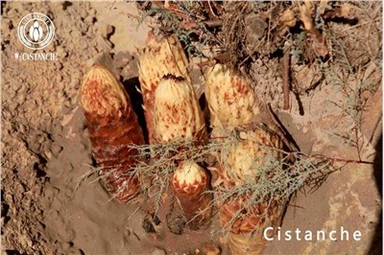
Cistanche is a traditional Chinese medicine that has been used to treat kidney disease for centuries. It is believed to have a variety of beneficial effects on the kidneys, including increasing blood flow, reducing inflammation, and protecting against oxidative damage. One of the active compounds in Cistanche, called echinacoside, has been shown to have a protective effect on the kidneys by reducing oxidative stress and inflammation. This may help to slow the progression of kidney disease and protect against further damage. Additionally, Cistanche has been found to have a diuretic effect, which can help to reduce fluid buildup in the body and improve kidney function. It may also help to regulate blood pressure, which is an important factor in maintaining kidney health.
Reference:
Pitcher D, Braddon F, Hendry B, et al. Long-Term Outcomes in IgA Nephropathy[J]. Clin J Am Soc Nephrol. 2023 Apr 13.