The Living Skeleton: How Cistanche Tubulosa Supports Bone Formation And Fights Age-Related Bone Loss
Sep 15, 2026
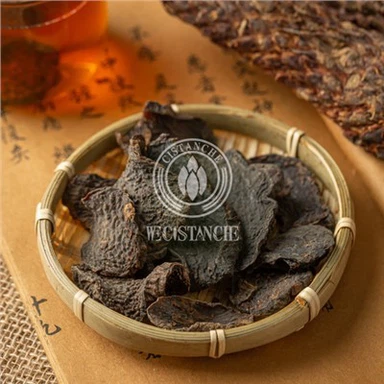
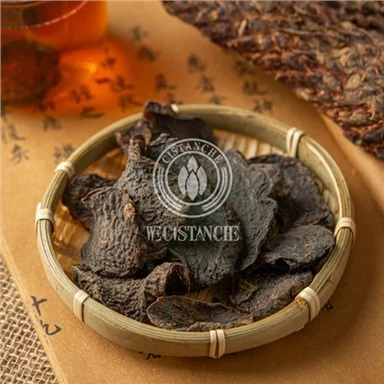
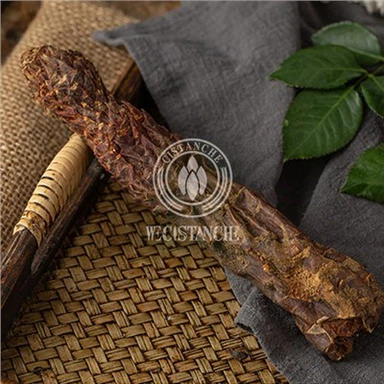
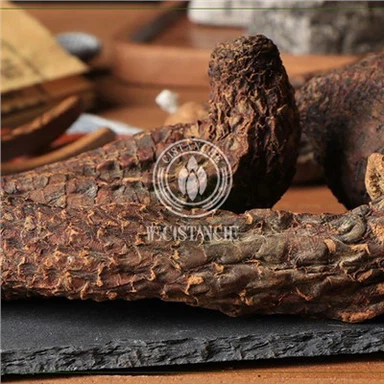
Bone is not a static scaffold. It is a living tissue that is constantly being broken down and rebuilt-a process called remodeling that continues throughout life. Specialized cells called osteoclasts resorb old bone, while osteoblasts deposit new bone matrix that subsequently mineralizes. In youth, these two processes are balanced, maintaining peak bone mass. But with age-and particularly after menopause-the balance tips toward resorption. Osteoclast activity outpaces osteoblast activity, and bone mineral density declines. The result is osteopenia, then osteoporosis, and eventually the fragility fractures that rob older adults of mobility and independence. Cistanche tubulosa, a desert plant traditionally used to "strengthen the bones and sinews," is being studied for its ability to influence this remodeling balance. Its active ingredients echinacoside and acteoside act on both sides of the equation-suppressing osteoclast activity while supporting osteoblast function-offering a dual-action approach to bone health that few botanical compounds can match.

The Cellular Balance of Bone Remodeling
Bone remodeling occurs in microscopic units where osteoclasts and osteoblasts work in coordinated sequence. Osteoclasts are large, multinucleated cells derived from the hematopoietic lineage. They attach to the bone surface, create a sealed acidic microenvironment, and secrete enzymes that dissolve the mineral matrix and degrade the collagen scaffold. This resorption phase releases calcium and growth factors stored in the bone matrix.
Once resorption is complete, osteoblasts-derived from mesenchymal stem cells in the bone marrow-migrate to the site. They deposit new osteoid, a matrix rich in type I collagen, which is subsequently mineralized through the deposition of hydroxyapatite crystals. This formation phase takes approximately three months, while resorption occurs in about three weeks. The temporal asymmetry means that any sustained increase in resorption rate rapidly outpaces the slower formation process, leading to net bone loss.
The master molecular regulators of this process are the RANK/RANKL/OPG system. RANKL is a protein expressed on the surface of osteoblasts and osteocytes. When it binds to its receptor RANK on the surface of osteoclast precursors, it triggers a signaling cascade that drives osteoclast differentiation and activation. Osteoprotegerin is a decoy receptor also produced by osteoblasts. It binds RANKL and prevents it from interacting with RANK. The RANKL-to-OPG ratio is the molecular fulcrum on which bone balance pivots.
With aging and estrogen deficiency, this ratio shifts dramatically. Estrogen normally suppresses RANKL production and promotes OPG. When estrogen levels fall at menopause, RANKL surges and OPG declines, unleashing a wave of osteoclast activity. Simultaneously, oxidative stress accumulates in the bone microenvironment. Reactive oxygen species directly stimulate osteoclast formation and activity while promoting apoptosis of osteoblasts and their precursor cells. The bone marrow also undergoes a fate shift: mesenchymal stem cells, which can differentiate into either osteoblasts or adipocytes, increasingly favor the fat cell lineage, reducing the pool of bone-forming cells. An ideal bone-supportive agent would therefore suppress RANKL, enhance OPG, protect osteoblasts from oxidative death, and encourage mesenchymal stem cells to commit to the osteoblastic lineage.
How Cistanche Tubulosa Supports Bone Health
1. Regulating the RANKL/OPG Balance
Echinacoside has been shown to significantly downregulate RANKL expression in osteoblastic cells while simultaneously upregulating OPG. This dual action reduces the RANKL-to-OPG ratio, which in turn suppresses the differentiation and activity of osteoclasts. In the ovariectomized rat model-the standard preclinical model for postmenopausal osteoporosis-echinacoside treatment preserved trabecular bone microarchitecture and maintained significantly higher bone mineral density compared to untreated controls. Histological analysis confirmed fewer osteoclasts on the bone surface and reduced bone resorption markers in the treated animals. This mechanism directly addresses the primary driver of postmenopausal bone loss: excessive osteoclast activity due to estrogen withdrawal.

2. Stimulating Osteoblast Differentiation and Mineralization
Beyond suppressing bone resorption, Cistanche compounds actively promote bone formation. Acteoside has been shown in multiple in vitro studies to stimulate the differentiation of mesenchymal stem cells into mature, bone-forming osteoblasts. It increases the expression of key osteogenic transcription factors, including Runx2 and Osterix, which are master regulators of the osteoblast lineage. It also upregulates alkaline phosphatase activity-an enzyme essential for bone matrix mineralization-and increases the deposition of calcium into the extracellular matrix. This means acteoside not only reduces the number and activity of bone-resorbing cells but also actively promotes the generation of new bone-forming cells and enhances their functional capacity. This dual mechanism-suppressing osteoclasts while stimulating osteoblasts-is rarely found in a single natural compound.
3. Inhibiting Marrow Adiposity
Aging bone marrow becomes increasingly infiltrated with adipocytes at the expense of osteoblasts, a phenomenon known as marrow adiposity. This shift is driven by oxidative stress and inflammatory signals that activate the adipogenic transcription factor PPARγ at the expense of the osteogenic factor Runx2. Echinacoside, through Nrf2 activation and the resulting reduction in oxidative stress, may help preserve the commitment of mesenchymal stem cells to the osteoblastic lineage, ensuring a continued supply of bone-forming cells. This mechanism is particularly relevant for age-related bone loss, where marrow adiposity is a hallmark of declining bone health.
4. Antioxidant and Anti-Inflammatory Protection of Bone Cells
Oxidative stress directly damages osteoblasts, impairs their function, and triggers their apoptosis. It also stimulates osteoclast formation through ROS-mediated activation of RANKL signaling. Echinacoside, as a potent Nrf2 activator, upregulates the bone's own antioxidant enzymes-superoxide dismutase, glutathione peroxidase, heme oxygenase-1-that neutralize ROS before they can damage bone cells. Acteoside, as an NF-κB inhibitor, suppresses the inflammatory cytokines-TNF-α, IL-1β, IL-6-that stimulate osteoclast activity and inhibit osteoblast function. This dual antioxidant and anti-inflammatory shield protects both the cells that build bone and the cells that regulate the balance between formation and resorption.
5. Supporting the Collagen Scaffold
Bone is a composite material: approximately 30% organic matrix, primarily type I collagen, and 70% mineral. The collagen scaffold is the template upon which mineralization occurs. Cistanche phenylethanoid glycosides have been shown to promote collagen synthesis in fibroblasts, and by protecting osteoblasts from oxidative damage, they help preserve the cells that synthesize this essential bone matrix protein.
A comprehensive 2022 review in Frontiers in Pharmacology catalogs the bone-protective, antioxidant, and anti-inflammatory properties of Cistanche tubulosa, confirming its multi-mechanism support for skeletal health. (Frontiers in Pharmacology review)
The Active Ingredients for Skeletal Health
The bone-supporting effects are driven by echinacoside and acteoside. Echinacoside is the primary RANKL/OPG modulator, Nrf2 activator, and protector of osteoblast mitochondria. Acteoside is the primary stimulator of osteoblast differentiation, NF-κB inhibitor, and promoter of collagen synthesis. Together, they provide a comprehensive bone-protective profile that addresses both sides of the remodeling equation. A standardized extract containing 20–40% total phenylethanoid glycosides is essential. The evidence-informed dose for bone support is 400–600 mg daily.
Integrating Cistanche for Lifelong Bone Health
Bone density changes slowly. A full remodeling cycle takes three to six months, and meaningful changes in bone mineral density require consistent support over one to two years. Cistanche should be taken daily as a long-term preventive strategy, ideally alongside other bone-supportive nutrients: vitamin D3 enhances calcium absorption, vitamin K2 directs calcium into bone rather than soft tissues, magnesium is a cofactor for alkaline phosphatase, and adequate dietary calcium provides the mineral substrate for hydroxyapatite formation. Weight-bearing exercise and resistance training provide the mechanical loading that stimulates osteoblast activity through the Wnt signaling pathway, synergizing with Cistanche's effects.
For those seeking reliable, research-grade bone support, we offer Cistanche tubulosa extract products with verified active ingredient content.

Safety and Medical Context
Cistanche tubulosa is well tolerated with a centuries-long safety record. It does not cause the gastrointestinal side effects of bisphosphonates or the rare but serious complications such as osteonecrosis of the jaw and atypical femoral fractures. However, osteoporosis is a serious medical condition. Anyone with diagnosed osteoporosis, a history of fragility fractures, or significantly elevated fracture risk should be under the care of a physician. This botanical is a preventive and complementary tool for bone health, not a substitute for prescribed osteoporosis medications or comprehensive medical evaluation.