The National Health Commission Releases The Latest Dietary Guidelines For Adults With Chronic Kidney Disease
Feb 20, 2024
As the saying goes, it isn't easy to agree with one another. At present, most of the dietary guidelines related to chronic kidney disease (CKD) are foreign. The recipes are derived from "white people's rice" such as the Mediterranean diet. Many CKD patients in China have low acceptance and low compliance. Forcibly accepting these recipes may even make the patient's Symptoms such as anorexia occur, leading to more serious consequences. Moreover, there are great differences in diet between the north and south and east and west regions of China, and there are also significant differences in the food ingredients that people prefer. Therefore, how we improve the dietary compliance of Chinese CKD patients?

Click to Cistanche tubulosa for kidney disease
Before the Spring Festival in 2024, the National Health Commission released the latest food nutrition guide for adults with CKD. It is worth noting that the recipes in this guide come from all over China, covering Northeast, North, Central, East, South, Northwest, Southwest, and other regions. This article incorporates 10 basic principles of dietary nutrition and recipe examples from 7 regions to help frontline clinical workers in different regions provide appropriate dietary advice to patients.
10 basic principles of food nutrition
1. Various foods, choose in installments
A variety of food is the basis for achieving a reasonable diet and balanced nutrition. Patients with chronic kidney disease should maintain a rich and diverse diet. It is recommended that they eat more than 12 types of food per day and more than 25 types of food per week.
Overall dietary recommendations for patients with CKD stages 1 to 2: Emphasis on plant-based foods and include vegetables in every meal.
Overall dietary recommendations for patients with CKD stages 3 to 5: follow the dietary principles of plant-based foods and implement a low-protein diet.
2. Sufficient energy, reasonable weight, suitable grains, and optimized staple food
The recommended energy intake for CKD patients is 30 to 35 kcal per kilogram of ideal body weight per day. For overweight or obese patients, energy intake can be reduced by 500 to 750 kcal. Control their body mass index (BMI) between 18.5 and 23.9 kg/㎡. It can be increased appropriately when they are 65 years old. The appropriate range is between 20.0 and 26.9 kg/㎡.
3. Appropriate amount of protein, reasonable intake of fish, poultry, beans, eggs, milk and meat
Clinical nutritionists or specialists should select the type and amount of protein in CKD patients' food according to their disease stage. High-quality protein should account for more than 50% of the total protein. High-quality protein is usually rich in animal foods and soybeans. For animal foods, you can choose white meat foods such as fish and poultry. Red meat foods such as pork, beef, mutton, etc. should be eaten as little as possible. Generally, 1 to 2 times a week, no more than 50g each time. When renal anemia occurs, the amount can be increased appropriately.
4. Plenty of vegetables and appropriate amounts of fruits
CKD patients are encouraged to eat vegetables and fruits appropriately. It is recommended to consume 300-500g of vegetables and 200-350g of fruits daily. Patients with diabetic nephropathy can appropriately reduce their daily fruit intake to 100-200g.
5. Reduce salt to control oil, limit phosphorus, and control potassium
Try to choose natural flavors for seasoning, such as hawthorn, lemon, pepper, Sichuan peppercorns, vinegar, etc. CKD patients with edema should implement a low-salt diet under the guidance of a clinical nutritionist or specialist, with a daily salt intake of no more than 3g; for severe edema, a salt-free diet (sodium <1000 mg) or a low-sodium diet ( Sodium <500mg).
6. Drink an appropriate amount of water and stay within your means.
For CKD patients with no edema and normal urine output, the daily water intake is 1500 to 1700 mL. In other cases, such as dialysis and oliguria, it is necessary to live within their means.
7. Choose food and drug substances rationally and regulate supplements in a proper way
Substances that have the same origin as food and medicine, such as yam, donkey-hide gelatin, chrysanthemum, honeysuckle, etc., need to be adapted to individual conditions, time, and local conditions.
8. Reasonably choose nutritious and healthy foods to improve nutritional status
Corresponding nutritional products should be given according to the patient's condition, regularly evaluated and monitored, and nutritional guidance should be provided promptly.
9. Eat regularly, limit alcohol consumption, and exercise moderately
10. Regularly monitor and strengthen self-management

Examples of recipes from various places
01 North-east area
The residents in Northeast China mainly eat rice, noodles, livestock and poultry meat, and milk (pastoral areas), and their cooking methods are mainly stews, which are thick and solid, with strong flavor and color. This series of recipes follows the principles of food nutrition for CKD patients, reasonably combines Northeastern specialty ingredients, and mostly uses low-protein rice and wheat starch products as staple foods. While respecting the traditional food culture of the region and retaining the special diet, the use of salt, oil, and meat should be reduced as much as possible.
02 North-west region
Northwest residents like to eat pasta. Their staple food is wheat, corn, and other grains. Their meat is mainly beef and mutton. They are rich in melons and fruits and relatively few in green leafy vegetables. Residents like light vegetarian food in summer and spicy, sour, salty, and rich food in winter. This series of recipes follows the principles of food nutrition for CKD patients and rationally combines the seasonal special ingredients of the northwest region. While respecting the regional traditions and ethnic minority food culture and retaining the special diet, the use of oil, salt, and meat is reduced as much as possible.
03 North China
Most places in North China like to eat pasta and livestock and poultry meat, not many vegetables and aquatic products and mostly eat heavy and salty dishes. This series of recipes follows the principles of food nutrition for CKD patients. While respecting the traditional food culture of the region and retaining the special diet, the amount of oil and salt used is reduced as much as possible.
04 Huadong Region
Rice is the main staple food in most areas of East China, and there are abundant aquatic products such as lake fresh food and river fresh food. The taste is light and has the characteristics of an oriental healthy dietary pattern. This series of recipes follows the principles of food nutrition for CKD patients, reasonably combines the seasonal special ingredients in East China, respects the traditional food culture of the region, retains the special diet while maintaining a low amount of oil and salt, and reduces the amount of meat.
05 Central China
Rice is the main staple food in most areas of East China, and there are abundant aquatic products such as lake fresh food and river fresh food. The taste is light and has the characteristics of an oriental healthy dietary pattern. This series of recipes follows the principles of food nutrition for CKD patients, reasonably combines the seasonal special ingredients in East China, respects the traditional food culture of the region, retains the special diet while maintaining a low amount of oil and salt, and reduces the amount of meat.
06 Southwest Region
Residents in the southwest region mainly eat rice and glutinous rice as their staple food, and their meat is mainly poultry and livestock meat, which has a strong taste, and most people like spicy, numbing, and sour foods. This series of recipes follows the principles of food nutrition for CKD patients and reasonably combines the special ingredients of Southwest China. While respecting the traditional food culture of the region and retaining the special diet, it appropriately increases the intake of aquatic products and reduces the use of oil, salt, and condiments as much as possible. quantity.
07 South China
The staple food of residents in South China is rice, and they have the habit of drinking soup. They often eat fresh vegetables and aquatic products. Their taste tends to be light, and some areas like spicy food. This series of recipes follows the principles of food nutrition for CKD patients, reasonably combines the special ingredients of South China, respects the traditional food culture of the region, retains the special diet, reduces the consumption of soup or does not drink Laohuo soup, and maintains the use of less oil and salt. Possibly reduce the use of barbecued meats.
How Does Cistanche Treat Kidney Disease?
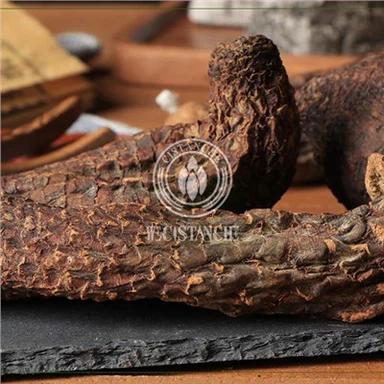
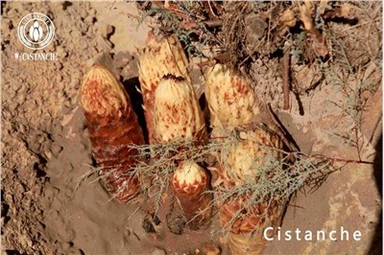
Cistanche is a traditional Chinese herbal medicine used for centuries to treat various health conditions, including kidney disease. It is derived from the dried stems of Cistanche deserticola, a plant native to the deserts of China and Mongolia. The main active components of cistanche are phenylethanoid glycosides, echinacoside, and acteoside, which have been found to have beneficial effects on kidney health.
Kidney disease, also known as renal disease, is a condition in which the kidneys are not functioning properly. This can result in a buildup of waste products and toxins in the body, leading to various symptoms and complications. Cistanche may help treat kidney disease ase through several mechanisms.
Firstly, cistanche has been found to have diuretic properties, meaning it can increase urine production and help eliminate waste products from the body. This can help relieve the burden on the kidneys and prevent the buildup of toxins. By promoting diuresis, cistanche may also help Reduce high blood pressure, a common complication of kidney disease.
Moreover, cistanche has been shown to have antioxidant effects. Oxidative stress, caused by an imbalance between the production of free radicals and the body's antioxidant defenses, plays a key role in the progression of kidney disease. ies help neutralize free radicals and reduce Oxidative stress, thereby protecting the kidneys from damage. The phenylethanoid glycosides found in cistanche have been particularly effective in scavenging free radicals and inhibiting lipid peroxidation.
Additionally, cistanche has been found to have anti-inflammatory effects. Inflammation is another key factor in the development and progression of kidney disease. Cistanche's anti-inflammatory properties help reduce the production of pro-inflammatory cytokines and inhibit the activation of inflammation mandatory pathways, thus alleviating inflammation in the kidneys.
Furthermore, cistanche has been shown to have immunomodulatory effects. In kidney disease, the immune system can be dysregulated, leading to excessive inflammation and tissue damage. Cistanche helps regulate the immune response by modulating the production and activity of immune cells, such as T cells and macrophages. This immune regulation helps reduce inflammation and prevent further damage to the kidneys.

Moreover, cistanche has been found to improve renal function by promoting the regeneration of renal tubes with cells. Renal tubular epithelial cells play a crucial role in the filtration and reabsorption of waste products and electrolytes. In kidney disease, these cells can be damaged, leading to damaged renal function. Cistanche's ability to promote the regeneration of these cells helps restore proper renal function and improve overall kidney health.
In addition to these direct effects on the kidneys, cistanche has been found to have beneficial effects on other organs and systems in the body. This holistic approach to health is particularly important in kidney disease, as the condition often affects multiple organs and systems. che has been shown to have protective effects on the liver, heart, and blood vessels, which are commonly affected by kidney disease. By promoting the health of these organs, cistanche helps improve overall kidney function and prevent further complications.
In conclusion, cistanche is a traditional Chinese herbal medicine used for centuries to treat kidney disease. Its active components have diuretic, antioxidant, anti-inflammatory, immunomodulatory, and regenerative effects, which help improve renal function and protect the kidneys from further damage. , cistanche has beneficial effects on other organs and systems, making it a holistic approach to treating kidney disease.