Who Says Patients With Kidney Disease Can’t Eat Hot Pot? 4 Smart Ways To Eat That You Must Know!
Feb 20, 2024
During the Spring Festival, the pattern of eating, drinking, and entertaining parties will enter a "white-hot" stage. When it comes to parties, hotpot is never absent.
Contrary to the dietary principles of low potassium, low salt, low phosphorus, low fat, low protein, and high vitamins for kidney disease, hot pot has almost stepped on all minefields.

Click to Cistanche for kidney disease
But, for patients with kidney disease, a hot pot also has advantages: the ingredients are rich and diverse, and if the combination is reasonable, a hot pot meal can provide more comprehensive nutrients. Of course, you must pay attention to how you eat it. Today we will take a look at how patients with kidney disease should eat hot pot.
01. Choose the bottom of the pot
There are many styles of hot pot pot bases. Patients with kidney disease can choose the pot base according to the following table:
02. Choose ingredients
Protein intake control is a high wall blocking the path of foodies for patients with kidney disease! When eating hot pot, make appropriate choices according to dietary guidelines and try to focus on white meat.
Various fish balls and crab sticks contain many food additives, which will increase the burden on the kidneys, so eat them as little as possible. Seafood contains high purine content and may cause allergies, so be sure to eat with caution.

You can eat some vermicelli and vegetables. Another thing to note is that when rinsing vegetables, the vegetables will absorb a lot of soup, so if you are eating meat, it is best to rinse the vegetables first and then the meat.
Don't drink alcohol when eating hot pot. Adding wine to a hot pot is a "gout meal". The pain of gout is something you don't want to experience. The best drink is boiled water, which is light and healthy! Sugar-free yogurt or soy milk can also be consumed in moderation.
03. Choose dipping sauce
Dipping is the soul of a hot pot. However, the salt content of satay sauce, beef sauce, chive flowers, etc. that are often added to dipping sauces is very high and will put a burden on the kidneys, so try not to eat these seasonings.
If you want to enhance the flavor, you can add a little less and make it as light as possible. You can use chopped green onion, coriander, and minced garlic to enhance the flavor. You can also add lemon juice or vinegar, which also tastes good.
04. The order of hot pot shabu shabu shabu shabu shabu shabu shabu shabu shabu shabu shabu shabu shabu shabu shabu hot pot
Vegetables first, then meat, and finally staple food.
Eat vegetables first because the dietary fiber rich in vegetables can increase our feeling of fullness in advance; eating meat next can delay gastric emptying, maintain this feeling of fullness, and make us less hungry as quickly; finally, eat some more Staple food less likely to overdose.

Finally, I would like to say that the diet for kidney disease should be long-term. If you indulge once in a while, don't feel too guilty. It's also important to relax and stay in a good mood!
How Does Cistanche Treat Kidney Disease?
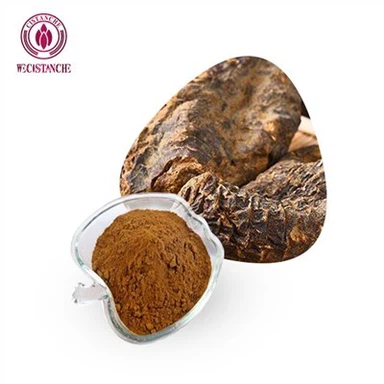
Cistanche is a traditional Chinese herbal medicine used for centuries to treat various health conditions, including kidney disease. It is derived from the dried stems of Cistanche deserticola, a plant native to the deserts of China and Mongolia. The main active components of cistanche are phenylethanoid glycosides, echinacoside, and acteoside, which have been found to have beneficial effects on kidney health.
Kidney disease, also known as renal disease, refers to a condition in which the kidneys are not functioning properly. This can result in a buildup of waste products and toxins in the body, leading to various symptoms and complications. Cistanche may help treat kidney disease ase through several mechanisms.
Firstly, cistanche has been found to have diuretic properties, meaning it can increase urine production and help eliminate waste products from the body. This can help relieve the burden on the kidneys and prevent the buildup of toxins. By promoting diuresis, cistanche may also help Reduce high blood pressure, a common complication of kidney disease.
Moreover, cistanche has been shown to have antioxidant effects. Oxidative stress, caused by an imbalance between the production of free radicals and the body's antioxidant defenses, plays a key role in the progression of kidney disease. ies help neutralize free radicals and reduce Oxidative stress, thereby protecting the kidneys from damage. The phenylethanoid glycosides found in cistanche have been particularly effective in scavenging free radicals and inhibiting lipid peroxidation.
Additionally, cistanche has been found to have anti-inflammatory effects. Inflammation is another key factor in the development and progression of kidney disease. Cistanche's anti-inflammatory properties help reduce the production of pro-inflammatory cytokines and inhibit the activation of inflammation mandatory pathways, thus alleviating inflammation in the kidneys.
Furthermore, cistanche has been shown to have immunomodulatory effects. In kidney disease, the immune system can be dysregulated, leading to excessive inflammation and tissue damage. Cistanche helps regulate the immune response by modulating the production and activity of immune cells, such as T cells and macrophages. This immune regulation helps reduce inflammation and prevent further damage to the kidneys.

Moreover, cistanche has been found to improve renal function by promoting the regeneration of renal tubes with cells. Renal tubular epithelial cells play a crucial role in the filtration and reabsorption of waste products and electrolytes. In kidney disease, these cells can be damaged, leading to damaged renal function. Cistanche's ability to promote the regeneration of these cells helps restore proper renal function and improve overall kidney health.
In addition to these direct effects on the kidneys, cistanche has been found to have beneficial effects on other organs and systems in the body. This holistic approach to health is particularly important in kidney disease, as the condition often affects multiple organs and systems. che has been shown to have protective effects on the liver, heart, and blood vessels, which are commonly affected by kidney disease. By promoting the health of these organs, cistanche helps improve overall kidney function and prevent further complications.
In conclusion, cistanche is a traditional Chinese herbal medicine used for centuries to treat kidney disease. Its active components have diuretic, antioxidant, anti-inflammatory, immunomodulatory, and regenerative effects, which help improve renal function and protect the kidneys from further damage. , cistanche has beneficial effects on other organs and systems, making it a holistic approach to treating kidney disease.