The Renal Diet - 12 Foods That Are Good For Your Kidneys
Nov 16, 2022
Once the serum creatinine rises in patients with kidney disease, it often indicates that the condition is further aggravated on the original basis. So, what is blood creatinine? Those patients with kidney disease who have normal kidney function have creatinine, which is produced continuously in everyone's body, and at the same time, the kidneys are required to excrete creatinine from the body. Creatinine is one of the waste products produced by the human body. It is produced in the muscles, enters the blood circulation and is excreted through the kidneys with urine. And our diet (such as high-protein animal foods such as chicken, fish, meat and eggs, and rice noodles and plant foods) can also produce a small amount of creatinine, increasing the total creatinine value in the blood. In patients with kidney disease with normal renal function, the body has no problem excreting creatinine. However, if it is a patient with impaired renal function, creatinine is continuously produced, and the ability to excrete creatinine is declining, which will lead to a gradual increase in creatinine in the body, and the serum creatinine will be higher than the normal range.

To sum it up in one sentence, high serum creatinine in patients with kidney disease indicates that renal function has been damaged. Serum creatinine is high - either chronic kidney insufficiency (chronic renal failure), acute kidney injury (acute renal failure), or chronic kidney disease combined with acute kidney injury.
No matter which one of the above three situations, if not handled properly or not in time, it will lead to further aggravation of renal failure, or even uremia. Therefore, once the serum creatinine increases in patients with kidney disease, the urgent task is how to reduce creatinine, reverse or stabilize renal function. Comprehensive examination, diagnosis and drug treatment are the most important means. According to the specific condition, treatment measures such as taking hormones, immunosuppressants, sartan/pril drugs, eliminating the focus of infection, using Chinese herbal medicines and Chinese patent medicines containing phenylethanoid glycosides, and correcting various inducements can all reduce the risk of infection. creatinine or stabilized creatinine.

Click Here to know how phenylethanol glycosides reduce creatinine
Patients with kidney disease may have doubts when they see this: Can fruits or vegetables also lower creatinine?
In fact, whether it is fruits or vegetables, as food, they can only serve as an auxiliary treatment method, and cannot really reduce creatinine. However, the role of a reasonable diet in renal disease patients with elevated serum creatinine is also irreplaceable. In particular, the dietary requirements of "one low and one high" are very important. "One low" is a low-salt diet; "one high" is to avoid high-potassium foods, that is, foods low in potassium should be chosen. Avoiding high-potassium foods is closely related to the fruits and vegetables that patients with kidney disease usually eat.
The following fruits and vegetables are foods with very low potassium content (the potassium content per 100 grams of food is no more than 125mg, and most of them are less than 100mg), and their protein content is almost negligible, so don’t worry about them. Waste" affects blood creatinine, which is also not high in phosphorus. Kidney disease patients with elevated serum creatinine can eat it normally and in moderation, and they can enjoy it with confidence.
01. Citrus (potassium content 54mg/100g) for Reducing Creatinine
Every 100 grams of tangerine contains 0.6 grams of protein, 9.7 grams of carbohydrates, 54 mg of potassium, and 25 mg of phosphorus. Citrus has the effects of promoting body fluid, quenching thirst, harmonizing stomach and diuresis, and it is a very nourishing and therapeutic fruit for kidney patients.
02. Winter melon (potassium content 78mg/100g) for Reducing Creatinine
Every 100 grams of wax gourd contains 0.4 grams of protein, 1.9 grams of carbohydrates, 78 mg of potassium, and 12 mg of phosphorus. The advantage of winter melon is not only its low protein content, but also its extremely low potassium and sodium content. The key is that wax gourd also has a diuretic effect.
03. Okra (potassium content 95mg/100g) for Reducing Creatinine
Every 100 grams of okra contains 2.0 grams of protein, 7.1 grams of carbohydrates, 95 mg of potassium, and 65 mg of phosphorus. Because okra is rich in dietary fiber, it has auxiliary effects such as lowering fat, lowering blood sugar, relieving constipation, anti-cancer and protecting the kidneys. It is an ideal vegetable for kidney disease patients with elevated serum creatinine.
04. Papaya (potassium content 18mg/100g) for Reducing Creatinine
Every 100 grams of papaya contains 0.428 grams of protein, 7 grams of carbohydrates, 18 mg of potassium, and 12 mg of phosphorus. Papaya is delicious and has a therapeutic effect. The proteolytic enzymes it contains can compensate for the secretion of the pancreas and intestines, supplement the insufficiency of gastric juice, and help break down protein and starch.
05. Kidney beans (potassium content 123mg/100g) for Reducing Creatinine
Every 100 grams of green beans contains 2.0 grams of protein, 4.2 grams of carbohydrates, 123 mg of potassium, and 51 mg of phosphorus. Most legumes and vegetables except kidney beans have relatively high protein content, and the utilization rate of protein is low, so they are not suitable for all patients with kidney disease. Kidney beans are a rare special case among legume vegetables. When eating green beans, be sure to pay attention to fully frying and cooking, and not half-raw or raw.
06. Chinese cabbage (potassium content 124mg/100g) for Reducing Creatinine
Every 100 grams of Chinese cabbage contains 1.5 grams of protein, 2.4 grams of carbohydrates, 124 mg of potassium, and 31 mg of phosphorus. Chinese cabbage is a rare seasonal leaf vegetable in autumn and winter, and it can be bought all year round. The price of Chinese cabbage is affordable, and it is a natural vegetable source of vitamin C for kidney patients with elevated blood creatinine.
07. Cabbage (cabbage) (potassium content 124mg/100g) for Reducing Creatinine
Every 100 grams of cabbage contains 1.5 grams of protein, 3.6 grams of carbohydrates, 124 mg of potassium, and 26 mg of phosphorus. Because patients with kidney disease often lack vitamin C and vitamin K, and the content of vitamin C and vitamin K in cabbage is more abundant than that of Chinese cabbage, and it can promote calcium absorption and strengthen bone, so cabbage is very suitable vegetable.
08. Sydney (potassium content 45mg/100g) for Reducing Creatinine
Every 100 grams of Sydney contains 0.9 grams of protein, 17.2 grams of carbohydrates, 45 mg of potassium, and 11 mg of phosphorus. Sydney does have the effects of moistening lungs and clearing dryness, relieving cough and reducing phlegm, nourishing blood and strengthening muscles. Especially during the period of kidney disease patients with upper respiratory tract infection, eating some pears will help the recovery of the disease.
09. Loofah (potassium content 115mg/100g) for Reducing Creatinine
Every 100 grams of loofah contains 1.0 grams of protein, 3.6 grams of carbohydrates, 115 mg of potassium, and 29 mg of phosphorus. Loofah is rich in nutrients, and loofah juice is known as "beauty water". In addition, an anti-allergic substance "Brycegen alkyd" is extracted from the tissue culture solution of the loofah, which has a strong anti-allergic effect. Therefore, it is more suitable for patients with chronic renal insufficiency with elevated serum creatinine to have rough skin and patients with allergic purpura nephritis.
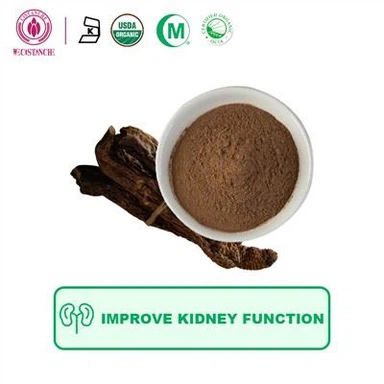
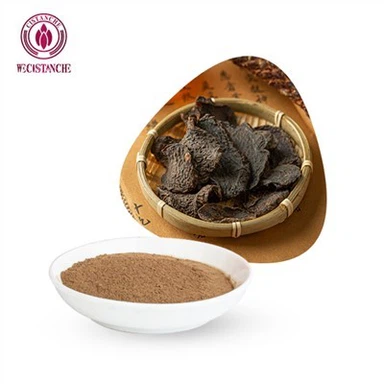
10. Cistanche (potassium content 100mg/100g) for Reducing Creatinine
The main active ingredients in Cistanche are phenylethanoid glycosides, echinacoside, acteoside,
and flavonoids.
These components can directly act on the kidney organs and increase the proliferation rate of
kidney cells by 8-10 times. On the other hand, these components can also reduce the apoptosis
of kidney cells and repair kidney cell damage.
In addition, Cistanche can also improve the function of the liver, thereby reducing the working
pressure of the kidneys. After the liver chemically decomposes harmful substances in the human
body, the residual waste is transported to the kidneys through the blood, and physically excreted
through the urine. The liver and kidneys interact with each other.
A large number of clinical trials have proved that after taking a sufficient amount of Cistanche for
one month in patients with kidney disease, the blood pressure is reduced, the urinary protein
index is reduced, and the GFR is significantly improved and Creatinine Reduce.

11. Cucumber (potassium content 102mg/100g) for Reducing Creatinine
Every 100 grams of cucumber contains 0.8 grams of protein, 2.4 grams of carbohydrates, 102 mg of potassium, and 24 mg of phosphorus. Cucumber is rich in various vitamins and minerals and other nutrients, and also contains a small amount of protein and sugar. Cucumber skin contains more nutrients, so it is better to keep it raw. In addition, cucumber can also reduce the level of uric acid in the body, which has a protective effect on the kidneys .
12. Apple (potassium content 119mg/100g) for Reducing Creatinine
Every 100 grams of apples contains 0.2 grams of protein, 12.3 grams of carbohydrates, 119 mg of potassium, and 12 mg of phosphorus. It has the effects of promoting body fluid to quench thirst, nourishing the spleen and stopping diarrhea, and harmonizing the stomach. Apple peels are rich in antioxidants and biologically active substances. Eating apple peels is more beneficial to the health of kidney patients.
13. Zucchini (potassium content 92mg/100g) for Reducing Creatinine
Every 100 grams of zucchini contains 0.8 grams of protein, 3.2 grams of carbohydrates, 92 mg of potassium, and 17 mg of phosphorus. Zucchini (also known as winter squash) contains more nutrients such as vitamin C and minerals, especially calcium, which is 22-29 mg of calcium per 100g of edible part (fresh). Traditional Chinese medicine believes that zucchini has the functions of relieving restlessness and quenching thirst, moistening lungs and relieving cough, clearing heat and diuresis, and has an auxiliary therapeutic effect on eliminating edema.

The above thirteen kinds of fruits and vegetables are not medicines, let alone cure diseases, but traditional Chinese medicine emphasizes "the same origin of medicine and food". Therefore, food is also the cheapest "drug", and kidney disease patients with elevated serum creatinine can make it one of the important aids for disease recovery.
wallence.suen@wecistanche.com 0015292862950