The Science Of Feeling Tired: What A Five-Botanical Anti-Fatigue Capsule Actually Does
Nov 16, 2026
Introduction: Fatigue Deserves a More Serious Conversation
Ask ten people what "fatigue" means and you will get ten different answers. For an endurance athlete, it is the moment the legs stop responding. For a warehouse supervisor on a twelve-hour shift, it is the fog that settles in around hour nine. For a student preparing for exams, it is the growing inability to hold a sentence in mind long enough to understand it. For a person recovering from illness, it is a wall that appears without warning and does not move when pushed.
These experiences feel unrelated, but physiologically they share a common architecture. Fatigue is not a single substance that accumulates in the body, and it is not a character flaw. It is the output of several systems failing to keep pace with demand at the same time: energy supply, acid-base balance, nitrogen disposal, oxidative stress, and the central nervous system's willingness to keep issuing commands.
That complexity is precisely why the market for anti-fatigue products is crowded and confusing. Almost every supplement brand promises "energy," yet very few can describe what they are measuring. Caffeine provides stimulation, not recovery. Sugar provides substrate, not adaptation. B-vitamins support metabolism but do not change the underlying capacity of a tired body. This article examines one specific answer that comes from a less familiar direction: a capsule built from five traditional botanicals, evaluated in a controlled animal study for its effect on swimming endurance, nitrogen metabolism, lactate clearance, and glycogen storage. The work was published in a Chinese food science journal in 2022, and the formula has since become a reference point for formulators working with Cistanche-based ingredients.
Our goal here is not to sell a capsule. It is to explain, in plain language, how a botanical anti-fatigue formula is designed, how it is tested, what the resulting numbers can honestly support, and where the limits of that evidence sit. If you are a formulator, a brand owner, or simply a curious reader trying to decide whether a product deserves your money, that distinction matters more than any marketing headline.

Fatigue Is a System Failure, Not a Single Symptom
To understand why a multi-ingredient formula makes sense, it helps to start with what happens inside the body during sustained exertion.
When muscles work, they consume adenosine triphosphate, or ATP, the currency of cellular energy. Early in exercise, ATP is regenerated from glucose and, if intensity is low enough, from fat. As intensity rises, the contribution from glycolysis increases, and glycolysis produces lactate along with hydrogen ions. The hydrogen ions lower the pH inside muscle cells, and that local acidity interferes with enzyme activity and muscle contraction. This is one half of the fatigue story: substrate depletion paired with metabolic acidosis.
At the same time, protein breakdown increases to supply amino acids for gluconeogenesis, and the nitrogen from those amino acids must be disposed of. The liver converts it into urea, which circulates in blood as blood urea nitrogen, or BUN, and is excreted by the kidneys. When physical demand is high and carbohydrate supply is limited, BUN rises. A persistently elevated BUN after exercise is therefore a readable signal that the body is burning protein to keep the lights on, which is an expensive and inefficient way to produce energy.
A third mechanism involves glycogen. Glycogen is the storage form of carbohydrate in liver and muscle. Liver glycogen maintains blood glucose for the brain and for everything else that depends on steady glucose; muscle glycogen fuels contraction directly. Stores are finite. When they run low, perceived effort climbs sharply, coordination deteriorates, and the body begins to rely on the protein route described above. The size of the glycogen reserve before exertion, and how quickly it is rebuilt afterward, is one of the most reliable predictors of endurance.
A fourth layer is oxidative stress. Hard exercise increases oxygen consumption and, as a by-product, the production of reactive oxygen species. Antioxidant enzyme systems, including superoxide dismutase, catalase, and glutathione peroxidase, normally keep this in check. When production outpaces clearance, lipid peroxidation products such as malondialdehyde accumulate, cell membranes suffer, and recovery slows.
A formula that addresses only one layer produces a narrow effect; one that touches several has a chance to shift the overall curve. That is the rationale for combining botanicals with partially overlapping profiles.
What "Anti-Fatigue" Means in Product Science
In nutritional science, "anti-fatigue" is a functional claim with a specific operational definition, not a vague promise of vitality. Regulators in several jurisdictions, including China's health food framework, evaluate the claim using a defined battery of animal tests. The logic is consistent across them: if a substance genuinely improves the body's capacity to sustain exertion and recover from it, that improvement should be visible in a small number of measurable outcomes.
The standard battery includes four tests, and the 2022 study we are discussing used exactly this set:
Weight-loaded swimming time. Mice swim with a lead weight equal to a percentage of their body weight attached to the tail. The time from the start of swimming to exhaustion is recorded. This is the most intuitive endpoint: a longer swim time means greater endurance capacity under load. It integrates cardiovascular function, muscle energetics, and motivation into a single number.
Blood urea nitrogen after exercise. Animals swim for a fixed period, then blood is sampled. Lower BUN after the same workload suggests the body relied less on protein catabolism, which is consistent with better carbohydrate availability and more efficient energy use.
Blood lactate before, immediately after, and after rest. Lactate rises during exertion and falls during recovery. What matters is not only the peak but the area under the curve across the whole cycle, because that captures both how much lactate accumulated and how quickly it was cleared. A smaller area under the curve indicates a better lactate handling profile.
Liver glycogen. After the final dose, animals are sacrificed and liver glycogen is measured. Higher glycogen means a larger carbohydrate reserve, which in practical terms means more fuel available before the body has to start breaking down protein.
Only when a product produces statistically significant improvements in this battery, in a dose-dependent or at least reproducible pattern, does the functional claim become defensible.

The Five Botanicals and Why They Were Chosen Together
The formula combined Cistanche, Polygonatum, Cornus officinalis, Cuscuta, and velvet antler. Each has a long history of use, and-more relevant here-each has modern pharmacological literature describing effects on energy metabolism, antioxidant capacity, or the neuroendocrine axis. The selection logic was not "add everything beneficial." It was to cover distinct but complementary nodes in the fatigue network.
Cistanche: The Desert Parasite With an Unusual Chemical Profile
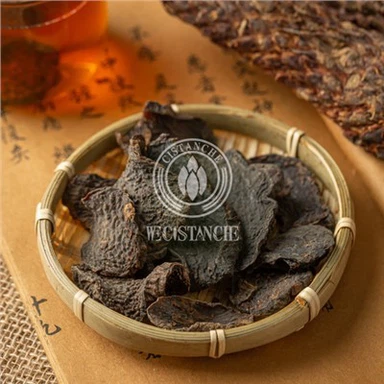
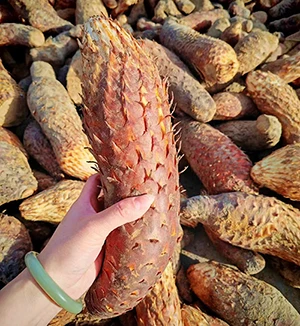
Cistanche is a rootless, chlorophyll-free parasitic plant that grows in arid regions, attaching to the roots of desert shrubs. Because it cannot photosynthesize, it survives by drawing water and nutrients from its host, and it accumulates a distinctive set of secondary metabolites in the process. The two best-known are the phenylethanoid glycosides echinacoside and acteoside, also called verbascoside. Both are used as identity and quality markers in commercial extracts, and both have been studied for antioxidant and anti-inflammatory activity.
Traditional use frames Cistanche as a tonic for the kidney system, a concept that in modern terms maps loosely onto endocrine and metabolic support. The modern literature is more concrete. Rodent studies have reported improvements in testosterone levels, substrate metabolism, and exercise tolerance after Cistanche administration, alongside reductions in oxidative markers. Extracts have also been examined for their effects on mitochondrial function and on the enzymes that buffer oxidative stress.
What makes Cistanche interesting to formulators is the combination of a well-defined marker profile and a broad mechanism footprint. You can measure it (echinacoside and acteoside are quantifiable by HPLC), and its reported activity spans antioxidant defense, energy metabolism, and hormonal support, which means it can plausibly interact with several fatigue pathways at once.
Polygonatum: The Carbohydrate-Rich Rhizome
Polygonatum, often called Solomon's seal, is a rhizomatous plant whose edible rhizome has been used as a food and medicine for centuries. Its chemistry is dominated by polysaccharides, alongside saponins and phenolic compounds. The polysaccharide fraction is the part most studied in the context of fatigue, and the proposed mechanisms are indirect but coherent: polysaccharides can support glycogen synthesis and storage, modulate immune signaling, and reduce oxidative damage.
Polygonatum is also one of the botanicals officially recognized in China as both food and medicine, which means it can be used in ordinary foods as well as in supplements. For a formulator, that dual status reduces regulatory friction and widens the range of permissible product formats.
Published work on processed Polygonatum extracts has reported measurable anti-fatigue effects in animal models, typically expressed as longer swimming time and improved glycogen retention. Processing method matters: the same species, prepared differently, behaves like a different ingredient.
Cornus officinalis: Small Fruit, Concentrated Organic Acids
Cornus officinalis, the Asiatic cornelian cherry, produces a small sour fruit that has been used both as a food and as a medicine. Its characteristic constituents include loganin, morroniside, and ursolic acid, along with organic acids that give the fruit its sourness. Reported activities include antioxidant effects, support for liver function, antimicrobial action, and improvement in muscular endurance in animal models.
The liver connection is the relevant one for a fatigue formula. Since the liver is the organ that converts ammonia into urea and stores glycogen, anything that supports hepatic function has a downstream effect on both nitrogen handling and carbohydrate reserve. This is why Cornus appears in formulas aimed at physical endurance rather than only in formulas aimed at general wellness.

Cuscuta: The Vining Seed With Antioxidant Reach
Cuscuta, commonly called dodder, is a twining parasitic vine whose seeds are used in traditional practice. Modern studies on the seed have focused on antioxidant enzyme activity, particularly in brain tissue, and on the prevention of oxidative damage caused by exhaustive exercise. A crude extract of Cuscuta was reported to produce significant anti-fatigue effects in rodents, and separate work described an increase in antioxidant enzyme activity in the brain after intense exertion.
That detail is more important than it first appears. Most anti-fatigue discussions concentrate on muscle, but the central nervous system contributes to exhaustion through oxidative and inflammatory signaling. A botanical whose reported effects include brain antioxidant capacity has a rationale for addressing the cognitive dimension of fatigue, which is often the dimension that determines whether a person can keep working rather than merely keep moving.
Cuscuta is permitted in health foods in China but is not a dual-use food ingredient, which pushes such formulas toward the supplement category rather than ordinary foods.
Velvet Antler: The Fastest Growing Tissue in the Animal Kingdom
Velvet antler is the immature, cartilage-covered antler of deer, harvested before it hardens into bone. It is biologically remarkable: it can grow several centimeters per day, which requires intense angiogenesis, rapid cell proliferation, and heavy nutrient throughput. That growth profile is the basis for its traditional reputation as a restorative ingredient.
The fraction most studied is the polypeptide component. Published work on deer antler polypeptides has reported increased liver and muscle glycogen, reduced lactate and malondialdehyde, lowered BUN, and increased activity of lactate dehydrogenase, superoxide dismutase, and glutathione peroxidase. In other words, the reported effects land on the same four endpoints used to define anti-fatigue function: glycogen, lactate, BUN, and oxidative stress. That alignment is not accidental; it is the reason velvet antler appears in formulas designed to pass that specific test battery.
Why the Combination Rather Than the Sum
The case for the composite is coverage rather than potency. Cistanche brings phenylethanoid glycosides with antioxidant and metabolic reach; Polygonatum brings polysaccharides that support glycogen; Cornus adds organic acids and iridoids with hepatic relevance; Cuscuta contributes antioxidant capacity with a central emphasis; velvet antler contributes polypeptides with a direct footprint on the four standard endpoints.
None of these, taken alone, has been shown to produce a dramatic effect. Combined, they touch energy supply, nitrogen disposal, acid-base recovery, glycogen storage, and oxidative defense at the same time. That is the theoretical argument. Whether it holds is an empirical question, and that is precisely what the animal study was built to answer.
Turning Herbs Into a Capsule: The Engineering Problem Nobody Talks About
There is a gap between a good formula and a manufacturable product, and it is wider than most consumers imagine. A powdered blend can be nutritionally perfect and still fail on a filling line, because powders do not automatically flow.
Why Flowability Decides Whether a Formula Survives
Capsule filling machines dose powder by volume. Powder is fed into a hopper and flows down into a dosing chamber, which then transfers a fixed volume into each capsule shell. If the powder does not flow evenly, three things go wrong: the dose weight varies from capsule to capsule, the machine runs slower and jams more often, and the final product fails weight uniformity checks.
Botanical extracts are especially difficult in this respect because they are hygroscopic. They absorb moisture from ambient air, and as moisture content rises, particles stick to each other, form bridges over hopper openings, and stop flowing. This is not a subtle effect. A blend that flows well at 35 percent relative humidity can become unusable at 60 percent.
The standard measurement is the angle of repose. Powder is poured through a funnel onto a flat surface, forming a cone. The angle between the cone's slope and the horizontal is the angle of repose. A low angle means the powder spreads easily and flows well; a high angle means it stacks steeply and flows poorly. In capsule manufacturing practice, an angle of repose at or below about 40 degrees is generally considered acceptable for filling, while values above that signal trouble.
A second measurement is bulk density, the mass of powder per unit volume when poured freely. Bulk density determines how much material fits into a capsule of fixed internal volume. If bulk density is too low, the target fill weight simply cannot be achieved without overfilling the shell.

The Excipients, One by One
The published formula used four excipients, each with a specific job.
Lactose served as the filler. It is comparatively low in hygroscopicity, which is exactly what a moisture-sensitive botanical blend needs. Fillers add volume so that a small active dose can be dosed accurately by volume, and they dilute concentrated extracts to a workable concentration.
Calcium phosphate acted as an anticaking agent. It keeps particles from agglomerating, which preserves flow behavior over time and extends shelf stability.
Silicon dioxide is a glidant. It adsorbs onto particle surfaces and reduces inter-particle friction, which improves flow and helps disperse sticky, cohesive material. In a blend containing hygroscopic extract powder, a glidant is close to essential.
Magnesium stearate is a lubricant. It reduces friction between powder and metal surfaces inside the machine, protecting both the equipment and the powder bed from adhesion and heat buildup.
The interplay matters. Add too little glidant and the hygroscopic extract chokes the hopper. Add too much lubricant and you can slow dissolution or reduce bulk density. Formulation is a balancing exercise, and the reason three candidate formulas were tested rather than one is that the optimum is not predictable from first principles.
The Formula That Won
Three candidate formulas were compared, differing mainly in the amount of lactose, calcium phosphate, and silicon dioxide. The measured angles of repose were approximately 40.3 degrees, 36.6 degrees, and 41.0 degrees respectively. Only the second candidate fell comfortably below the 40-degree threshold, which is why it was selected.
That formula used a mass ratio of roughly 69:25:12:12:1:1 for the Cistanche-based composite extract, velvet antler powder, lactose, calcium phosphate, silicon dioxide, and magnesium stearate. Its bulk density was the highest of the three at about 0.92 grams per milliliter, which allowed a 0.6-gram fill in a standard size-0 capsule with margin to spare.
Two design decisions are worth noting because they reflect real-world formulation thinking. First, the capsule was designed at 0.6 grams per capsule with a four-capsule daily serving, which translates to roughly 1.38 grams of composite extract and 0.5 grams of velvet antler powder per day. Second, the capsule format itself was chosen partly to mask the characteristic smell and taste of the botanicals. Anyone who has handled concentrated Cistanche or Polygonatum extract knows how strong that sensory profile is, and palatability is a genuine determinant of whether people actually finish a course of supplementation.
How the Animal Study Was Designed
The efficacy evaluation used 160 male mice of a standard laboratory strain, weighing 18 to 22 grams, housed under controlled temperature and humidity. The design followed the conventional structure for this type of functional claim assessment.
Four groups of ten animals were formed for each endpoint. The three treatment groups received the capsule contents at 0.4, 0.8, and 1.2 grams per kilogram body weight, corresponding to approximately 10, 20, and 30 times the proposed human daily dose on a body-weight basis. The control group received an equal volume of distilled water. All dosing was by oral gavage, once daily, for 30 consecutive days. Animals had free access to food and water throughout, and body weights were recorded at the start, midpoint, and end of the study.
Four endpoints were then measured, each with its own protocol:
For the swimming test, a lead weight equal to five percent of body weight was attached to the tail 30 minutes after the final dose, and animals were placed in a tank with water 40 centimeters deep at 25 degrees Celsius plus or minus one degree. Time to exhaustion was recorded.
For the BUN test, animals swam for 20 minutes in water at 30 degrees Celsius, and blood was collected from the orbital sinus for serum analysis.
For the lactate test, animals swam for 10 minutes at 30 degrees Celsius, and blood was sampled before swimming, immediately after, and after 20 minutes of quiet rest. Lactate was measured at each point, and the area under the curve was calculated.
For the glycogen test, animals were sacrificed 30 minutes after the final dose, and liver glycogen was measured by the anthrone colorimetric method on a precisely weighed liver sample.
Statistical analysis used analysis of variance with appropriate post-hoc tests, and significance was set at a probability level of 0.05.
What the Numbers Showed
The results were consistent across endpoints, which is a meaningful signal in itself. A product that improves one measure and leaves the others untouched often reflects noise or an artifact of the specific protocol. A product that moves several related measures in the same direction is more likely to be doing something real.
Body weight. Across all four experiments, animals gained weight over the 30 days, and there were no significant differences between groups at any time point. This matters because it rules out a common confound: if a treatment reduces food intake or causes weight loss, any change in exercise performance could be explained by caloric restriction rather than by the formula. Here, the formula did not disturb normal growth, which supports the interpretation that the performance effects came from the treatment rather than from a metabolic side effect.
Swimming time. All three dose groups swam significantly longer than controls. Importantly, this was true at the low dose as well as the higher doses, which suggests the effect is not dependent on an unrealistically large intake.
Blood urea nitrogen. All three dose groups had significantly lower BUN after exercise than controls. The control group averaged about 10.2 millimoles per liter, while the treatment groups ranged from roughly 8.2 to 8.8. That is a consistent, dose-ordered reduction across the entire treatment range.
Blood lactate. Lactate rose sharply during exercise and fell rapidly during rest in all groups, which is the normal pattern. What differed was the magnitude. The middle dose group showed a significantly lower area under the curve than controls, indicating less total lactate exposure across the exercise-and-recovery cycle. The low and high dose groups also showed lower values than controls, though the difference did not reach significance in this sample size. This kind of non-monotonic result is common in botanical studies and usually reflects the interaction between dose, absorption, and clearance kinetics rather than a failure of the formula.
Liver glycogen. The low dose group showed significantly higher liver glycogen than controls, with a mean around 3.0 grams per 100 grams of liver versus roughly 1.4 in controls. That is a large relative difference. The middle and high dose groups were not significantly different from controls, which again is a non-monotonic pattern.
Taken together, the study concluded that the capsule improved loaded swimming endurance, reduced post-exercise BUN, reduced post-exercise lactate at the middle dose, and increased liver glycogen at the low dose. On the regulatory definition described earlier, that pattern is sufficient to support a claim of alleviating physical fatigue.

Reading Preclinical Results Without Overreading Them
Honesty requires stating clearly what this study is and is not.
It is a controlled, randomized, dose-ranging animal study with a defined endpoint battery, adequate sample sizes for each comparison, a 30-day exposure period, and consistent results across independent experiments. For the purpose of substantiating a functional claim in a regulatory context, that is exactly the right kind of evidence, and it is considerably more rigorous than the typical marketing-backed supplement claim.
It is not clinical evidence in humans. Mice are not small people. Their metabolic rate per unit body weight is far higher, their gastrointestinal transit is faster, their baseline activity patterns differ, and their response to botanical extracts may not translate proportionally. The dose multiples used here, ten to thirty times the human dose on a body-weight basis, are conventional for this kind of testing but they do not establish what a human should take.
It does not identify which ingredient did the work. The formula is a five-botanical composite plus excipients. Nothing in this design separates the contribution of Cistanche from that of velvet antler or Polygonatum. It is possible that one ingredient carries most of the effect and the others are passengers. Answering that would require deconstruction studies, which are rarely performed because they are expensive and because the commercial value lies in the composite.
It does not establish mechanism. The paper's interpretation-that the primary route is reduction of BUN, improving adaptability to endurance exercise-is a reasonable reading of the data, but the measurements are outcomes, not pathways. A lower BUN could reflect better carbohydrate sparing, faster urea clearance, lower protein turnover, or all three.
What it does establish is narrower and still valuable: this specific formulation, manufactured to this specification, produced measurable improvements in four standard fatigue endpoints in a controlled setting. That is a legitimate basis for a product claim, and it is a much stronger basis than most competing products can offer.
The Three Biomarkers That Explain Most of the Story
Because these three measures carry most of the interpretive weight, they deserve a closer look.
Blood Urea Nitrogen: The Protein-Tax Signal
When carbohydrate is plentiful, the body fuels exertion mostly from glycogen and fat, and protein contributes relatively little. When carbohydrate runs short, gluconeogenesis ramps up, amino acids are diverted to make glucose, and nitrogen is released as ammonia, converted to urea in the liver, and carried in blood. Elevated BUN after a fixed workload is therefore a sign that the body has been forced to spend protein to buy energy.
Reducing post-exercise BUN implies the body covered the same workload with less protein expenditure. Practically, that means better carbohydrate availability, more efficient fat use, or both. It also has a recovery implication: protein spared during exercise is protein available for repair afterward.
For product positioning, BUN is the most persuasive of the four endpoints in mechanistic terms, because it connects a measurable blood value to a recognizable experience-the sense that a given workload costs you less than it used to.
Blood Lactate: Accumulation and Clearance Are Different Problems
Lactate is often misunderstood. It is not a waste product that "poisons" muscle; it is an energy intermediate that the body clears and reuses. The problem in intense exercise is the accompanying hydrogen ion load, which acidifies the local environment, and the simple fact that production temporarily outpaces clearance.
That is why the area under the curve is the right metric. A high peak with fast clearance and a moderate peak with slow clearance can produce similar total exposure, and total exposure is what correlates with sustained impairment. The middle-dose group's significantly lower area under the curve indicates improvement in the combined accumulation-and-clearance profile, not merely a lower peak.
In practical terms, better lactate handling translates into the ability to repeat efforts with shorter recovery windows. For anyone whose day involves intermittent physical demand-lifting, climbing, carrying-that is a more relevant benefit than a single maximal effort would be.
Liver Glycogen: The Reserve That Sets the Ceiling
Liver glycogen is the buffer that keeps blood glucose stable when dietary carbohydrate is not arriving. It matters for the brain first, because the brain is an obligate glucose consumer, and for working muscle second, because blood glucose supplements muscle glycogen during prolonged effort.
The low-dose group's improvement in liver glycogen, from about 1.4 to about 3.0 grams per 100 grams of liver, is the largest relative change in the entire dataset. It also points to a plausible explanation for the non-monotonic dose pattern: glycogen storage is a saturable process. At higher intakes, storage capacity may already be near its practical ceiling, while other mechanisms-clearance, absorption, or regulatory feedback-begin to dominate the response. This is a familiar pattern in nutrient and botanical dose-response work, and it argues for designing the human dose around the low-to-middle range rather than assuming more is better.
From Bench Data to Label Claims: The Compliance Question
A study like this typically travels into commerce through a health claim, and health claims are regulated speech. The rules differ by market, but the underlying logic is similar: a claim must be substantiated by evidence of a defined type, it must be limited to the function that the evidence supports, and it must not imply treatment of disease.
Three practical implications follow.
First, the claim must stay inside the evidence. The data support a statement about alleviating physical fatigue and about supporting endurance and recovery. They do not support statements about curing chronic fatigue syndrome, treating anemia, replacing sleep, or improving athletic performance in competition. Those are different claims requiring different evidence, and in some jurisdictions they cross into drug territory.
Second, the population matters. The study used healthy adult male mice. Extrapolating to pregnant women, children, people with chronic disease, or people taking prescription medication is not supported by anything in this dataset. Labels should reflect that, and responsible brands include the standard contraindication language.
Third, the format matters. Because velvet antler and Cuscuta are permitted in health foods but not on the dual-use food list in China, this formula belongs to the supplement category, not the ordinary food category. That determines permissible dosage forms, permissible claims, and permissible labeling. A formulator who ignores this will produce a product that cannot be legally sold regardless of how good the science is.
For an international audience, the analogous considerations apply to structure-function claims in the United States, authorized claims in the European Union, and the notification requirements that most markets impose on botanical supplements. The safe and commercially sensible approach is to make the smallest claim the evidence supports, document the substantiation file thoroughly, and let the science article do the persuading that the label cannot.

What to Check Before You Buy a Cistanche-Based Ingredient
For brand owners and procurement teams, the quality question matters as much as the efficacy question. Botanical extracts are highly variable, and two products with the same name on the label can be chemically different.
Marker content, not just species name. For Cistanche, the relevant markers are echinacoside and acteoside. A supplier should be able to state the percentage of each, measured by a validated HPLC method, with a certificate of analysis that includes the actual chromatogram rather than only a summary number. Typical commercial specifications cluster around defined minimums for total phenylethanoid glycosides, and the specific figure tells you which grade you are buying.
Extraction parameters. The composite extract in this formula was produced by extracting the four botanicals together with 70 percent ethanol, then following with a water extraction, then concentrating and drying under reduced pressure. Solvent concentration, temperature, extraction time, and the ratio of raw material to solvent all change the final chemistry. A supplier who cannot describe these parameters is a supplier who cannot reproduce their own product.
Ratio and uniformity. Blending four botanicals at a 1:1:1:1 ratio is different from blending them at a ratio chosen to hit a target marker profile. The former is cheaper and simpler; the latter is more defensible. Ask which one you are buying.
Particle size and flow behavior. For capsule applications, ask for the angle of repose and bulk density of the actual blend, not of a generic powder. A supplier who has filled capsules at scale will have this data. A supplier who has only made bench samples will not.
Moisture and packaging. Hygroscopic extracts need moisture-barrier packaging and desiccant control. Check the specified loss-on-drying value and the packaging format. A good extract in poor packaging becomes a bad extract on arrival.
Heavy metals, pesticides, and microbiology. Standard but non-negotiable. Botanical raw materials are agricultural products, and the contaminant profile varies by origin and harvest year.
Stability data. Ask for accelerated stability results covering marker content and microbial status over the intended shelf life. Phenylethanoid glycosides can degrade under heat and humidity, and a product that meets specification at release may not meet it at eighteen months.
Frequently Asked Questions
Is this a clinically proven product?
No. The evidence described here comes from a controlled animal study. It is a legitimate and reasonably rigorous basis for a functional claim in a regulated health food framework, but it is not human clinical evidence. Anyone presenting it as clinically proven is overstating it.
Can a capsule replace sleep, food, or training?
No, and no responsible formulator would claim otherwise. Sleep is when most of the body's repair and hormonal regulation occurs; carbohydrate and protein intake determine glycogen restoration and tissue repair; progressive training determines capacity. A supplement can support these processes. It cannot substitute for them.
Why five ingredients instead of one?
Because fatigue is multi-systemic. Each botanical in this formula has documented activity on a different part of the network: antioxidant defense, glycogen storage, hepatic function, nitrogen handling, and central oxidative stress. The composite design aims at overlapping coverage rather than maximum potency from a single source.
Is there a risk in taking products like this?
Any botanical extract with metabolic or hormonal activity deserves caution in specific populations: pregnancy and lactation, childhood, chronic disease, and concurrent prescription medication. Interactions are possible, and high-dose long-term use has not been characterized in this dataset. Standard practice is to consult a qualified professional, and labels should say so.

A Closing Note on Proportion
The most useful thing a reader can take from a study like this is a sense of proportion.
A five-botanical capsule, tested properly, produced measurable improvements in four standard fatigue endpoints in mice, at doses that did not disturb normal growth. The effect sizes were real but not transformative: swimming time increased, BUN fell by roughly fifteen percent, lactate exposure fell at the middle dose, and liver glycogen roughly doubled at the low dose. Those are meaningful shifts in a controlled setting, and they are the kind of shift that a person might experience as "the same day feels less costly than it used to."
For the formulator, the lesson is that the unglamorous parts matter most: the angle of repose, the marker content, the dose-response curve that refuses to be monotonic, the regulatory category that determines which claims are legal. For the consumer, the lesson is simpler. Ask what was measured. If the answer names specific endpoints and specific doses, the product has earned a second look. If the answer is "energy," it has not.