The Value Of Circulating Exosomal PD-L1 in The Diagnosis And Treatment Of Malignant Tumors
Mar 31, 2022
Contact: joanna.jia@wecistanche.com / WhatsApp: 008618081934791
Exosomal PD-L1 has been found to be an important factor leading to tumor immunosuppression. Both in vitro and in vivo experiments confirmed that PD-L1+ exosomes can inhibit lymphocyte function and promote tumor cell proliferation. Therefore, the level of exosomal PD-L1 is often associated with the disease progression and prognosis of patients with malignant tumors, as well as the effect of anti-PD1 immunotherapy.

Cistanche is an effective anti-tumor herb for patients with malignant tumors
1 Circulating exosomal PD-L1 and immunotherapy
As a new type of malignant tumor treatment, immunotherapy, to a certain extent, makes up for the shortcomings of traditional treatment methods and is a promising treatment for malignant tumors. Tumor immunotherapy can inhibit or eliminate tumor cells by enhancing or activating the killing effect of lymphocytes on tumor cells. Currently, FDA-approved tumor immunotherapies include cancer vaccines, cytokines, anti-CTLA-4 antibodies, CAR-T therapy, and anti-PD1/PD-L1 antibody therapy. Among them, anti-PD1/PD-L1 antibody therapy has become the mainstream treatment method of immunotherapy due to its high objective response rate, fewer side effects, and suitability for a variety of solid tumor types. Clinically, whether patients with malignant tumors are suitable for anti-PD1 therapy is mainly indicated by histopathological PD-L1 detection, but tissue specimens are often difficult to obtain, and local sampling is difficult to avoid the problem of tumor heterogeneity. In addition, studies have shown that patients whose tissues are PD-L1-negative may also produce a large number of PD-L1-positive exosomes. Compared with tissue PD-L1 detection, the detection of circulating exosomal PD-L1 can achieve non-invasive sampling, real-time dynamic detection, and avoid the problem of tumor heterogeneity caused by local sampling. Therefore, circulating exosomal PD-L1 is expected to become a new marker for anti-PD1 immunotherapy. A study that detected circulating exosomal PD-L1 protein in melanoma patients guiding anti-PD1 therapy before treatment found that patients who did not respond to treatment tended to have high levels of circulating exosomal PD-L1, while low levels of circulating exosomal PD-L1 were found. Patients with exosomal PD-L1 mostly showed complete response or partial response. In the study of melanoma and non-small cell lung cancer, it was also found that the expression level of circulating exosomal PD-L1 mRNA was correlated with the response of patients to anti-PD1 therapy. Significantly decreased, but not significantly decreased in the stable disease group, and significantly increased in the deteriorating disease group. Therefore, it is believed that the detection of exosomal PD-L1 in patients receiving anti-PD1 therapy can help predict their efficacy.

Anti-tumor treatments: anti-PD1 therapy & Cistanche deserticola
2 Circulating exosomal PD-L1 and tumor monitoring
Exosomal PD-L1 can assist the immune escape of malignant tumor cells by inhibiting the function of CD8+ T cells and promoting disease progression. Therefore, circulating exosomal PD-L1 levels may also reflect the disease status of patients with malignant tumors. In a clinical study including 40 patients with head and neck squamous cell carcinoma, it was found that the level of circulating exosomal PD-L1 was highly correlated with tumor stage and lymph node metastasis status (P=0.0008, 0.013). It can indirectly reflect the disease progression and immune function of patients and can be used as a monitoring index for the condition of head and neck squamous cell carcinoma. Studies have also found that serum exosomal PD-L1 levels are correlated with parameters such as tumor size, lymph node metastasis and distant metastasis status in non-small cell lung cancer, and compared with patients with low levels of serum exosomal PD-L1, high levels of PD-L1. Patients with larger tumor volume (>2.5 cm) (P<0.001) were more prone to lymph node metastasis and distant metastasis (P<0.05). Therefore, monitoring serum exosomal PD-L1 levels has a predictive value for the disease status of patients with non-small cell lung cancer. In addition, the changing level of circulating exosomal PD-L1 before and after treatment (ΔExoPD-L1) also has important clinical value. A study included 100 patients with melanoma. By detecting the ΔExoPD-L1 level of patients before and after treatment and analyzing its relationship with the progression of melanoma after treatment, the results showed that the ΔExoPD-L1 level of patients with progression after treatment was higher than that of patients without progression after treatment. The sensitivity and specificity were 83% and 70%, respectively when ΔExoPD-L1>100 was used as the cut-off value to diagnose melanoma progression after treatment.
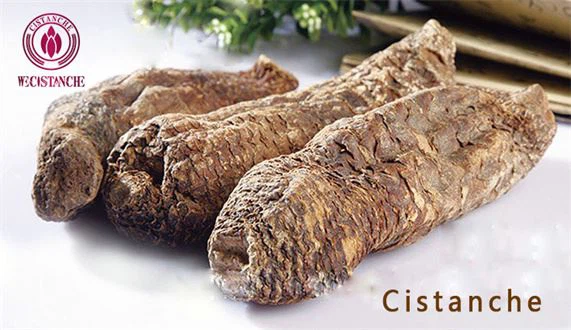
Anti-tumor traditional Chinese medicine herb: Desertiliving Cistanche plants
3 Circulating exosomal PD-L1 and tumor prognosis
Exosomal PD-L1 plays an important role in promoting the progression of malignant tumors, so it often leads to poor prognosis in patients. Detection of its level is also of great value in judging prognosis. A study included 69 patients with gastric cancer and found that the preoperative plasma exosomal PD-L1 level was associated with patient prognosis. The overall survival of patients was significantly shortened (P=0.004), and survival analysis showed that plasma exosomal PD-L1 was an independent prognostic factor (P=0.026). Circulating exosomal PD-L1 also showed some potential in predicting prognosis after treatment. A study included 55 patients with pancreatic cancer and detected their serum exosomal PD-L1 before surgery, and found that compared with patients with negative serum exosomal PD-L1, PD-L1-positive patients had significantly shorter postoperative survival (9.5%). months vs 21.7 months, P<0.001). In addition, ΔExoPD-L1 levels before and after treatment can be used to predict prognosis in melanoma studies, and patients with ΔExoPD-L1>100 had significantly shorter overall survival and progression-free survival than those with ΔExoPD-L1<100 (P=0.048, 0.011), indicating that the amount of changes in circulating exosomal PD-L1 before and after treatment has an important value in prompting prognosis.

costanche can effectively anti-tumor