

Therapy Development For Spinal Muscular Atrophy: Perspectives For Muscular Dystrophies And Neurodegenerative Disorders Part 4
Mar 20, 2024
Antisense oligonucleotide strategies Nusinersen/Spinraza™: an ASO‑approach
ASOs are short strands of synthetic nucleic acids that bind target-RNA by complementary base pairing to modulate RNA stability, structure, and function [247]. Nusinersen is an 18-mer ASO modified by 2'-O-2-methoxyethyl phosphorothioate to protect it from rapid degradation.
With the continuous improvement of human living standards, more and more people are beginning to pay attention to their health problems. One important aspect is memory. Many people find that their memory is gradually declining, and how to improve their memory has become a very important thing.
In recent years, studies have shown that there is a close relationship between short chains of nucleic acids and memory. The short chain of nucleic acid is a biologically active molecule that regulates the nervous system and immune system. And memory is one of the most important functions of our brain.
The short chains of nucleic acids can enhance the vitality of the nervous system by promoting the repair and regulation of the nervous system, making the brain more agile and improving memory. In addition, short chains of nucleic acids can also reduce blood lipids and blood pressure, and promote cardiovascular health, thereby improving the body's metabolic capacity and making the body healthier.
Although the decline of brain function is a natural phenomenon, we can maintain our memory in some ways, such as by eating more short-chain foods rich in nucleic acids, such as seaweed, kelp, tofu, etc. At the same time, regular physical exercise and maintaining good living habits can also help improve our memory.
In modern society, memory is very important for everyone. We should pay attention to the relationship between short chains of nucleic acids and memory, and use various methods to improve our memory and make our lives more energy and vitality. It can be seen that we need to improve memory, and Cistanche deserticola can significantly improve memory, because Cistanche deserticola has antioxidant, anti-inflammatory, and anti-aging effects, which can help reduce oxidation and inflammatory reactions in the brain, thereby protecting the health of the nervous system. In addition, Cistanche deserticola can also promote the growth and repair of nerve cells, thereby enhancing the connectivity and function of neural networks. These effects can help improve memory, learning, and thinking speed, and may also prevent the development of cognitive dysfunction and neurodegenerative diseases.

Click know supplements to boost memory
It was designed to block the binding of hnRNP A1 to the intronic splicing silencer N1-(ISS-N1) motif in intron 7 of the SMN2 gene. The block of hnRNP A1 binding to this domain in turn disrupts a splice inhibitor site and thus promotes exon 7 inclusion in the pre-mRNA that is derived from the SMN2 gene [128].
Due to their size, ASOs cannot cross the blood–brain barrier (BBB) and have to be applied by intrathecal administration so that they can be taken up by motoneurons from the cerebrospinal fluid (CSF).
Nusinersen was the first drug that has been approved for the treatment of SMA by the FDA in December 2016 and by the EMA in June 2017. Currently, 31 clinical trials have been reported by https://clinicaltrials.gov. Herein we report a selection of studies focusing on dose findings with already disclosed data. The first phase 1 clinical trial with Nusinersen (CS1, NCT01494701 and CS10, NCT01780246) was conducted with 28 patients (2 to 14 years of age) with SMA type 2 and type 3.
This study provided evidence that intrathecal delivery of a single dose of Nusinersen (1 mg, 3 mg, 6 mg, or 9 mg) is safe and well tolerated. Nusinersen more than doubled SMN protein levels in the CSF in the 6 mg and 9 mg treatment groups.
This was accompanied by a significant increase in motor function illustrated by the Hammersmith Functional Motor Scale Expanded (HFMSE) scores in the 9 mg group [44]. A subsequent phase 2, open-label study (CS3A; NCT01839656) with SMA type 1 patients with 2–3 SMN2 copies (3 weeks to 6 months of age) was conducted with multiple doses of Nusinersen. Four patients received ascending doses of 6 to 12 mg and 16 patients a 12 mg intrathecal injection.
The patients in the 12 mg group exhibited incremental achievements in developmental motor milestones on the Hammersmith Infant Neurological Examination-2 (HINE-2) score (from baseline to last visit p<0.0001), improvement in Children's Hospital of Philadelphia Infant Test of Neuromuscular Disorders (CHOP INTEND) motor function scores (p=0.0013) and significantly increased CMAP for abductor digit minimus and tibialis anterior via stimulation of the ulnar nerve or the peroneal nerve.
The probability of permanent ventilation-free survival was also significantly increased.

Examination of post-mortem tissue revealed an even distribution of Nusinersen throughout the spinal cord, including motoneurons and brain that coincided with an enhanced exon 7 inclusion in SMN2 and an increase of the SMN protein [88]. Subsequent studies with Nusinersen treatment in 28 patients with SMA type 2 and type 3 (age 2-5 years) for approximately 3 years showed a long-term benefit (CS2; NCT01703988 and CS12; NCT02052791).
The patients started with ascending doses (3, 6, 9, 12 mg over 253 days) followed by a period of treatment with 12 mg every 6 months for more than two years (CS12) [54]. This was followed by the SHINE study (NCT02594124) via continuing 12 mg Nusinersen applications to assess the long-term clinical effects of Nusinersen.
The treatment over the first three years resulted in motor function improvements and disease activity stabilization that differed significantly from the natural disease history. Participants with later-onset SMA in CS2/CS12/SHINE displayed increases in walking distances that were not observed in natural history cohorts [210] with stabilization in fatigue and improvements of ambulatory function throughout Nusinersen treatment (~5.5 years) [209].
The phase 1/2 results encouraged the design of two large, multicenter, randomized, sham-controlled, phase 3 studies with Nusinersen: ENDEAR (NCT02193074) in SMA type 1 patients and CHERISH (NCT02292537) in SMA type 2 patients. The ENDEAR study (NCT02193074) included 122 SMA type 1 patients at 7 months of age or younger. They were randomized to receive multiple intrathecal doses of Nusinersen or a sham procedure at a ratio of 2 to 1 [89]. In the CHERISH study (NCT02292537) 126 children were randomly assigned, in a 2:1 ratio, to receive multiple doses of 12 mg Nusinersen or a sham procedure.

The median age at study onset was 4 years (2–9 years) in the Nusinersen group and 3 years (2–7 years) in the control group [196]. In both studies, treated children showed a significant improvement in motor function compared to control groups. In the ENDEAR study, the overall survival was higher in the Nusinersen-treated group than in the control group.
A very striking observation was made, as infants with shorter disease duration at the study onset were more likely to benefit from Nusinersen than those with longer disease duration. The crucial timing of initiation of Nusinersen treatment for maximal therapeutic benefit is currently under investigation in a phase 2 study of pre-symptomatic patients (NURTURE, NCT02386553).
The 25 included patients are still alive and do not require permanent ventilation. All patients can sit without support and achieve walking with or without assistance and still without ventilation support [59]. In December 2016 Nusinersen/ Spinraza™ became available at a recommended dose of 12 mg per treatment for all patients. Currently, the safety and efficacy of higher doses are the focus of the DEVOTE study (NCT04089566). DEVOTE is subdivided into parts A, B, and C.
Part A is an open-label study focusing on the safety and tolerability of Nusinersen (3×28 mg loading doses and 2×28 mg maintenance doses). Part B should demonstrate that higher doses improve participants' outcomes measured by CHOP INTEND and motor skill ability.
This part is designed as a randomized, double-blind, active-controlled study with infants and later-onset SMA patients. Patients will receive 4×12 mg loading doses, followed by 2×12 mg maintenance doses or 2×50 mg loading doses and 2×28 mg maintenance doses.
Participants receiving the FDA-approved 12 mg of Nusinersen will serve as controls. The open-label part C will evaluate the safety and tolerability of transitioning patients who have already been treated with Nusinersen for at least one year.

They will receive a single initial 20 mg dose followed by two 28 mg maintenance doses at four and eight months after therapy onset. The DEVOTE trial will then be followed by the open-label extension study ONWARD (NCT04729907) as a long-term extension.
Expanded access programs (EAPs) for Nusinersen have been initiated in several countries to verify therapeutic benefits with motor function improvements [10, 83, 100, 199, 232]. Two studies on SMA patients with adult onset (mean age 16–65 and 18–72) have been recently reported by Hagenacker et al., and Maggi et al. [111, 184]. The primary outcome in both studies was an increase in the HFMSE score.
Maggi et al. additionally reported that the RULM (Revised Upper Limb Module) score improved significantly in sitters [184]. Both studies provide evidence of Nusinersen's safety and efficacy in SMA type 2 and type 3 patients.
For more information:1950477648nn@gmail.com
You Might Also Like
-

Natural Cistanche Echinacoside
-

Cistanche Tubulosa a new savior for enhancing memory and ...
-

Cistanche Tubulosa Extract Natural Supplement Powder
-

Cistanche Dietary Supplement Energy Supply Phenylethanoid...
-

Cistanche Dietary Supplement Kidney Function Support Phen...
-
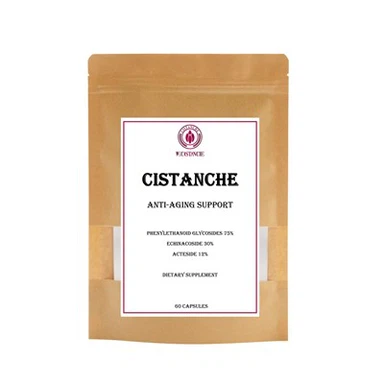
Cistanche Dietary Supplement Anti-Aging Support Phenyleth...