These Common Nephrotoxic Drugs You Must Know!
Apr 16, 2024
Recently, the news that Kobayashi Pharmaceuticals, a well-known Japanese pharmaceutical company (hereinafter referred to as Kobayashi Pharmaceuticals), announced the recall of three health products containing red yeast rice became a hot topic and sparked heated discussions among netizens. According to reports, taking red yeast health products produced by this company may cause kidney disease. As of March 29, the problematic health products have caused the death of five Japanese consumers and more than a hundred people have been hospitalized for treatment [1-2].

Click to Cistanche for kidney disease
This news has brought nephrotoxic drugs back into people's sight again, and everyone can't help but wonder: Is this kidney injury incident a problem of Kobayashi Pharmaceutical or is the red yeast ingredient itself nephrotoxic? Is Xuezhikang, which contains red yeast rice as its main ingredient, nephrotoxic? What are the common nephrotoxic drugs used in clinical practice? Let's find out!
Red yeast rice is not guilty, Xuezhikang has not been confirmed to have nephrotoxicity
Kobayashi Pharmaceutical stated that after analyzing the ingredients of red yeast health products, it was found that some red yeast raw materials may contain unknown ingredients beyond the scope of the company's control, but it has not yet been determined whether the unknown ingredients are related to consumers' illnesses [3] . For this reason, the kidney disease caused by consumers taking red yeast health products this time may be due to Kobayashi Pharmaceutical's failure to strictly control the quality of production raw materials, resulting in unknown ingredients that harm the kidney health of consumers, leading to fatal consequences, and are combined with red yeast ingredients. irrelevant.
In addition, Xuezhikang is made from japonica rice inoculated with special Monascus bacteria and fermented and refined using modern biopharmaceutical technology. Its main ingredient is lovastatin (the main component of Monascus) [4-5]. The clinical monitoring data and clinical research results of Xuezhikang for more than 20 years on the market show that the drug is highly safe and has few side effects. The main adverse reactions are gastrointestinal discomfort, liver enzyme and muscle enzyme abnormalities are rare, and rhabdomyolysis caused by Xuezhikang has not occurred clinically. and other serious adverse reactions [4].

Therefore, no studies have confirmed that Xuezhikang has renal toxicity. It can be used as a moderate-intensity lipid-lowering therapeutic drug in clinical practice. Patients should be monitored for symptoms of gastrointestinal discomfort, muscle pain, and fatigue during medication [4].
What are the common clinical nephrotoxic drugs?
Any damage to kidney structure and/or function caused by drugs is called drug-induced nephropathy. With the current widespread use of clinical drugs and the continuous emergence of new drugs, the renal damage caused by drugs has also increased, and we should pay full attention to it [6]. Common drugs that cause drug-induced nephropathy clinically are as follows [6]:
1. Antibiotics
1) Aminoglycoside antibiotics: They are the most nephrotoxic antibiotics and directly damage the kidneys, such as streptomycin, gentamicin, tobramycin, amikacin, etc. Nephrotoxicity is related to the time and dose of medication. Symptoms often occur 5 to 7 days after taking the drug, and manifest as non-oliguric renal failure.
2) β-lactams (such as cephalosporins): They may not be nephrotoxic in themselves, but they mainly cause allergic interstitial nephritis or acute renal failure, regardless of dose.
3) Others: The nature of damage such as sulfonamides, rifampicin, vancomycin, and amphotericin B may be diverse.

2. Non-steroidal anti-inflammatory analgesics: indomethacin, ibuprofen, phenylbutazone, naproxen, and analgesics such as phenacetin, aminopyrine, acetaminophen, metamizole, etc. It may lead to renal papillary necrosis or chronic interstitial nephritis. On this basis, it may induce renal parenchymal atrophy renal cortical fibrosis, and even acute and chronic renal failure.
3. Vascular converting enzyme inhibitors: captopril, enalapril, etc., can cause allergic interstitial nephritis and nephrotic syndrome.
4. Immunosuppressants: cyclophosphamide, cyclosporine A, FK506, etc. can cause kidney damage.
5. Cancer chemotherapy drugs: cisplatin, methotrexate, plicamycin, mitomycin-C, nitrosoureas, 5-fluorouracil, etc.
6. Anti-epileptic drugs: trimethadione, phenytoin, etc.
7. Anesthetics: ether, methoxyflurane, etc.
8. Metals and complexing agents: penicillamine, etharate, etc.
9. Various angiography agents.
10. Others: cyclosporine A, cimetidine, allopurinol, mannitol, heroin, low molecular weight dextran, etc.
11. Traditional Chinese medicine: Research on the toxicity of traditional Chinese medicine has found that nearly 50 kinds of traditional Chinese medicine are toxic to the kidneys. There are three types of Chinese medicines that can cause kidney damage: plant-based Chinese medicines (such as Akebia and other medicines containing aristolochic acid), animal-based Chinese medicines (such as centipedes, snake venom, and fish gallbladders), and mineral-based Chinese medicines (such as alum). , realgar, and cinnabar).
Summarize
Healthcare products are not strictly regulated and can be purchased without a prescription. However, most consumers are unable to fully understand their adverse reactions and accurately control the dosage, resulting in huge safety risks in the application of healthcare products. For this reason, clinicians should inform patients of the relevant risks and make it clear that health products cannot replace drugs. At the same time, they need to be alert to the occurrence of drug-toxic nephropathy and use nephrotoxic drugs with caution.
How Does Cistanche Treat Kidney Disease?
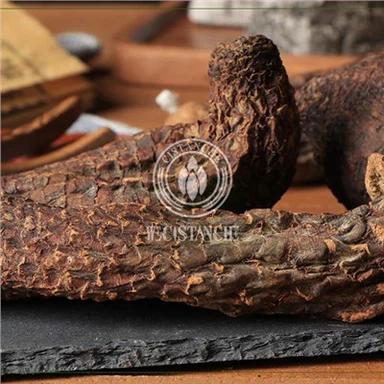
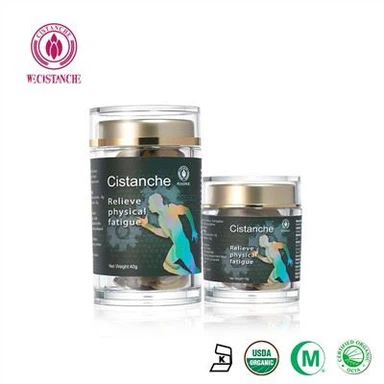
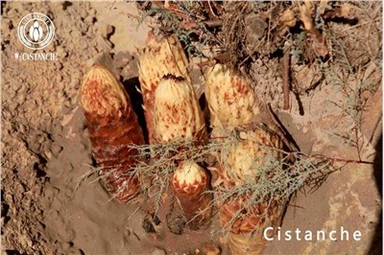
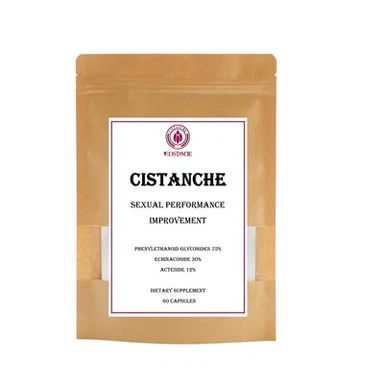
Cistanche is a traditional Chinese herbal medicine used for centuries to treat various health conditions, including kidney disease. It is derived from the dried stems of Cistanche deserticola, a plant native to the deserts of China and Mongolia. The main active components of cistanche are phenylethanoid glycosides, echinacoside, and acteoside, which have been found to have beneficial effects on kidney health.
Kidney disease, also known as renal disease, refers to a condition in which the kidneys are not functioning properly. This can result in a buildup of waste products and toxins in the body, leading to various symptoms and complications. Cistanche may help treat kidney disease ase through several mechanisms.
Firstly, cistanche has been found to have diuretic properties, meaning it can increase urine production and help eliminate waste products from the body. This can help relieve the burden on the kidneys and prevent the buildup of toxins. By promoting diuresis, cistanche may also help Reduce high blood pressure, a common complication of kidney disease.
Moreover, cistanche has been shown to have antioxidant effects. Oxidative stress, caused by an imbalance between the production of free radicals and the body's antioxidant defenses, plays a key role in the progression of kidney disease. ies help neutralize free radicals and reduce Oxidative stress, thereby protecting the kidneys from damage. The phenylethanoid glycosides found in cistanche have been particularly effective in scavenging free radicals and inhibiting lipid peroxidation.
Additionally, cistanche has been found to have anti-inflammatory effects. Inflammation is another key factor in the development and progression of kidney disease. Cistanche's anti-inflammatory properties help reduce the production of pro-inflammatory cytokines and inhibit the activation of inflammation mandatory pathways, thus alleviating inflammation in the kidneys.
Furthermore, cistanche has been shown to have immunomodulatory effects. In kidney disease, the immune system can be dysregulated, leading to excessive inflammation and tissue damage. Cistanche helps regulate the immune response by modulating the production and activity of immune cells, such as T cells and macrophages. This immune regulation helps reduce inflammation and prevent further damage to the kidneys.

Moreover, cistanche has been found to improve renal function by promoting the regeneration of renal tubes with cells. Renal tubular epithelial cells play a crucial role in the filtration and reabsorption of waste products and electrolytes. In kidney disease, these cells can be damaged, leading to damaged renal function. Cistanche's ability to promote the regeneration of these cells helps restore proper renal function and improve overall kidney health.
In addition to these direct effects on the kidneys, cistanche has been found to have beneficial effects on other organs and systems in the body. This holistic approach to health is particularly important in kidney disease, as the condition often affects multiple organs and systems. che has been shown to have protective effects on the liver, heart, and blood vessels, which are commonly affected by kidney disease. By promoting the health of these organs, cistanche helps improve overall kidney function and prevent further complications.
In conclusion, cistanche is a traditional Chinese herbal medicine used for centuries to treat kidney disease. Its active components have diuretic, antioxidant, anti-inflammatory, immunomodulatory, and regenerative effects, which help improve renal function and protect the kidneys from further damage. , cistanche has beneficial effects on other organs and systems, making it a holistic approach to treating kidney disease.