Traditional Chinese Medicine Acupoint Application As An Auxiliary Treatment For Benign Prostatic Hyperplasia
Jan 21, 2025
2 Results
2.1 Basic characteristics of included studies
A total of 158 articles were retrieved, and the full texts were read. Duplicate and unqualified articles were screened out, and a total of 12 articles [3-14] (Figure 1) were included, involving 878 patients, including 441 in the observation group and 437 in the control group. Two articles [3,11] could extract two sets of data and were considered as two studies. The basic characteristics of the included studies are shown in Table 1.

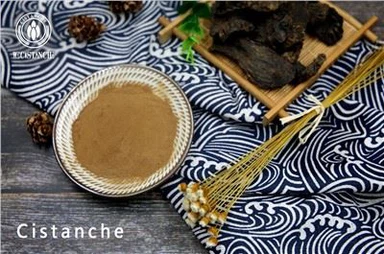
tcm Cistanche For Prostate Health
2.2 Quality evaluation of included studies
All articles mentioned random grouping, of which 5 articles [3,7,9-10,12] used random number table grouping, and 1 article [6] used lottery method; 6 articles [4-5,8,11,13-14] did not mention the random grouping method in detail. None of the included articles described the implementation of allocation concealment and blinding. The risk of bias in 12 articles is shown in Figure 2.
2.3 Meta-analysis results
2.3.1 I-PSS score Among the included literature, 11 articles [3,5-14] reported the I-PSS scores before and after the treatment of BPH with Chinese medicine acupoint application. Among them, two articles [3,11] could extract two sets of data, so the I-PSS scores of 13 studies were finally meta-analyzed. After heterogeneity test, the heterogeneity between the groups was significant ( <0.001, I2=88%), and the random effects model was used for analysis. The results showed that compared with the control group, combined with Chinese medicine acupoint application treatment can significantly improve the I-PSS score of BPH patients [MD=3.46, 95%CI (2.19, 4.74), <0.05]. See Figure 3.

2.3.2 Urodynamic indicators
Six articles [3-4, 7-8, 13-14] reported Qmax and residual urine volume of BPH patients before and after Chinese medicine application. Among them, two sets of data could be extracted from one article [3], which was regarded as two studies. Finally, 7 studies conducted a meta-analysis of Qmax. After heterogeneity test, the heterogeneity between groups was significant ( <0.05, I2=91%), and the random effects model was used for analysis; 7 studies conducted a meta-analysis of residual urine volume. After heterogeneity test, the heterogeneity between groups was significant
( <0.001, I2=99%), and the sensitivity analysis was performed by one-by-one data elimination method. It was found that when one article [8] was eliminated, the heterogeneity between groups was eliminated ( =0.85, I2=0%). Therefore, after eliminating this article, the fixed effect model was used for meta-analysis. The meta-analysis results of Qmax showed that compared with the control group, the Qmax of patients treated with combined Chinese medicine acupoint application was significantly increased [MD =-2.72, 95%CI (-3.76, -1.68), <0.05], see Figure 4. The meta-analysis results of bladder residual urine volume (excluding literature) showed that the bladder residual urine volume was significantly reduced after combined Chinese medicine acupoint application [MD=4.58, 95%CI (4.05, 5.12), <0.05], see Figure 5.

2.3.3 Clinical effectiveness
The effectiveness, marked effectiveness and overall effective rate of Chinese medicine acupoint application in the treatment of BPH were systematically evaluated. After heterogeneity test, the heterogeneity between groups in each group analysis was not significant (effective: =0.31, I2=16%; marked effect: =0.11, I2=46%; overall effective rate: =0.68, I2=0%), and the fixed effect model was used for analysis. Meta-analysis was performed on 6 research data from 5 articles [3-4, 9-10, 13]. The results showed that the effectiveness of combined Chinese medicine acupoint application in the treatment of BPH was significantly lower than that of the control group [OR=0.63, 95%CI (0.43, 0.92), 0.02], see Figure 6. Meta-analysis was performed on 6 research data from 5 articles [3-4, 9-10, 13] and 5 research data from 4 articles [3, 9-10, 13]. The results showed that compared with the control group, the effectiveness [OR=2.14, 95%CI (1.43, 3.21), =0.0002] and overall effective rate [OR=2.08, 95%CI (1.24, 3.49), =0.005] of combined Chinese medicine acupoint application in the treatment of BPH were significantly increased (see Figures 7 and 8).
2.3.4 TCM Syndrome Score
There are 2 articles [5, 14] involving TCM syndrome score, so no meta-analysis was performed. The results of both studies showed that the TCM syndrome score of the TCM acupoint application group was significantly lower than that of the control group, and the difference was statistically significant. This suggests that from the perspective of TCM diagnostic efficacy, TCM acupoint application has a significant effect on the treatment of BPH.

2.3.5 Sensitivity analysis
Meta-analysis of I-PSS score and Qmax showed heterogeneity, so sensitivity analysis was performed on them one by one using the data elimination method. The results showed no significant changes, indicating that the results were stable. Except for the sensitivity analysis of bladder residual urine volume, there was no bias after the sensitivity analysis of other data was eliminated one by one.
2.3.6 Publication bias
The Egger regression method and Begg rank correlation method were used to quantitatively evaluate the publication bias. Except for the meta-analysis of effectiveness, no publication bias was found in the other items, see Table 2.
3 Discussion
BPH is characterized by prostatic epithelial and/or matrix hyperplasia in pathology, and clinically manifested by lower urinary tract symptoms (LUTS) such as frequent urination, urgency, weak urine flow, dribbling, progressive dysuria and acute urinary retention. In severe cases, it may even induce renal failure and cardiovascular and cerebrovascular diseases [15-18]. It is an important factor affecting the health and quality of life of middle-aged and elderly men, resulting in a large amount of social medical expenditure. Especially with the advent of an aging society, the prevalence of BPH and the number of high-risk BPH patients are constantly rising, and the diagnosis and treatment of BPH has become a hot topic in the field of urology and men's medicine.
Currently, the main Western medicine treatments for BPH/LUTS are internal medicine medication and surgical operations. Surgery has certain risks for high-risk BPH patients. Internal medicine drug treatment also has shortcomings. Clinical studies have shown that effective drugs for the treatment of BPH/LUTS mainly include 5α-reductase inhibitors, α-receptor blockers, muscarinic inhibitors and type 5 phosphodiesterase inhibitors [19-20]. Among them, 5α-reductase inhibitors and α-receptor blockers are the most commonly used in clinical practice. α-receptor blockers can improve patients' LUTS, but cannot reduce prostate volume or delay the progression of BPH [21].
5α-reductase inhibitors can reduce the total prostate volume of most BPH patients, but 25%~30% of patients still have no improvement in prostate volume and LUTS after treatment, and 5%~7% of patients have continued to worsen symptoms and eventually require surgical treatment [21].

There are various types of traditional Chinese medicine therapies, with the advantages of few side effects and high safety. Studies have shown that the adoption of effective traditional Chinese medicine treatment strategies can relieve urination disorders as early as possible to improve the quality of life and benefit more BPH patients [3-5]. Acupoint application therapy is an important part of traditional Chinese medicine external treatment, with the advantages of rapid onset and few adverse reactions. It is based on the theory of meridians in traditional Chinese medicine and exerts the combined effects of Chinese medicine and acupoints. In recent years, many studies have reported that Chinese medicine acupoint application can treat BPH [3-4], but these studies have not been strictly evaluated for methodological quality. At present, there is no systematic review report on the effectiveness of Chinese medicine acupoint application in the treatment of BPH at home and abroad. This study uses the Cochrane systematic review method to integrate the existing relevant research results at home and abroad, aiming to provide a basis for the effectiveness of Chinese medicine acupoint application in the treatment of BPH. This study finally included 12 articles, and the results of Meta-analysis showed that compared with the control group, combined Chinese medicine acupoint application can significantly improve the I-PSS score, maximum urine flow rate and residual urine volume in BPH patients. The results of clinical effectiveness evaluation showed that although the effectiveness of combined Chinese medicine acupoint application in the treatment of BPH patients was significantly reduced compared with the control group, and there was an obvious publication bias, its significance and overall effectiveness were significantly increased, and there was no obvious publication bias. Therefore, the results of this study show that Chinese medicine acupoint application is effective in the treatment of BPH. Although this study has obtained some meaningful results, it also has certain limitations: 1) Among the included studies, 5 did not mention random grouping in detail, and most of the included literature did not report the implementation of allocation concealment and blinding. These factors may lead to bias in the research process. 2) The efficacy judgment of the included studies is somewhat subjective, and the basic medication conditions of each study are inconsistent, which may be biased and fail to fully and truly reflect the efficacy of Chinese medicine acupoint application. 3) The number and sample size of the studies currently included are small, and the included studies involve less clinical safety. In the future, it is necessary to further carry out higher-quality multicenter, double-blind randomized controlled trials with expanded sample sizes, in order to provide more reliable decision-making basis for the effectiveness and safety of Chinese medicine acupoint application in the clinical treatment of BPH.
References:
[1] Wan Jiajia, He Lisha, Hu Ningjing, et al. Exploration of the pathogenesis and treatment of prostatic hyperplasia based on the theory of "Yang transforms into Qi, Yin forms" [J]. Journal of Chengdu University of Traditional Chinese Medicine, 2024, 47(3):31-35.
[2] Sun Weibing, Jiang Sixiong. Comments on the "Guidelines for the Diagnosis and Treatment of Urological Diseases in China": Diagnosis of prostatic hyperplasia [J]. Medicine and Philosophy (Clinical Decision Forum Edition), 2007,28(4): 54-55.
[3] He Guanheng, Zheng Jie, Lai Xinsheng. Clinical observation on the treatment of kidney yang deficiency type benign prostatic hyperplasia with Jinkui Shenqi Pills plus acupoint application [J]. Chinese Medicinal Materials, 2021, 44(10):2460-2463.
[4] Li Zhijia, Huang Qiuzheng, Hu Yidi. Clinical study on the treatment of benign prostatic hyperplasia with Longbishu capsule combined with Chinese medicine acupoint application[J]. New Chinese Medicine, 2018, 50(11): 174-176.
[5] Li Xianrui. Clinical study on the treatment of benign prostatic hyperplasia with Renmai acupoint application combined with Wenglitong capsule[D]. Beijing: Beijing University of Chinese Medicine, 2017.
[6] Zhao Bin, Zhou Yi, Tang Yi. Effect of Xiaolong Decoction combined with Chinese medicine acupoint application on the treatment of prostatic hyperplasia[J]. Contemporary Medical Forum, 2019, 17(15): 190-191.
[7] Fan Lipeng, Zhang Hui. Clinical study on the treatment of benign prostatic hyperplasia with acupuncture combined with Chinese medicine external application[J]. World Latest Medical Information Abstracts (Continuous Electronic Journal), 2021, 21(22): 201-202.
[8] Zheng Wenhua, Xu Zejie, Li Xizhu. Clinical study on acupuncture plus Chinese medicine external application for the treatment of benign prostatic hyperplasia[J]. New Chinese Medicine, 2014, 46(5): 190-192.
[9] Kong Fanjun. Clinical observation on the treatment of benign prostatic hyperplasia with Chinese medicine umbilicus application[J]. Clinical Research of Chinese Medicine, 2018, 10(23): 57-59.
[10] Yang Xia, Hu Qin. Observation and nursing of the efficacy of Chinese medicine acupoint application in the treatment of benign prostatic hyperplasia[J]. Xinjiang Traditional Chinese Medicine, 2014, 32(1): 47-48.
[11] Jiang Yu, Hu Jinxia. Clinical efficacy analysis of Chinese medicine acupoint application combined with treatment of benign prostatic hyperplasia in the elderly[J]. Xinjiang Traditional Chinese Medicine, 2020, 38(1): 27-29.
[12] Hu Haibing, Xiao Yang, Hu Xinghua. Clinical observation of 20 cases of diabetes and benign prostatic hyperplasia treated with Chinese medicine acupoint application [J]. Journal of Hunan University of Traditional Chinese Medicine, 2016, 36(S1):384-385.
[13] Pan Zhangyu, Huang Jiangtao, Zhao Yong, et al. Effect of Chinese medicine self-prescribed prescription combined with oral administration of tamsulosin hydrochloride on lower urinary tract symptoms in patients with BPH and analysis of clinical efficacy [J]. Modern Medicine