Treatment Of Chronic Glomerulonephritis Of Kidney Deficiency With Cistanche Granules
Mar 06, 2022
Zhang Jun1*, Wang Xiaogang1, Cui Bole2, Huang Kundan2
(1. Department of Traditional Chinese Medicine, Beijing Hospital, Ministry of Health, Beijing 100730; 2. Beijing University of Traditional Chinese Medicine, Beijing 100029)
[Abstract] Objective: To observe the curative effect of cistanche granule in treating chronic glomerulonephritis with kidney deficiency and proteinuria. Methods: Oral cistanche granules were administered to 34 patients with chronic glomerulonephritis proteinuria of kidney deficiency type for 12 weeks. The main symptoms of the patients were observed before and after treatment, and the 24-hour urine protein content and renal function of the patients before and after treatment were measured. Result: Compared with before treatment, Cirong Yishen Granules can significantly improve the main symptoms of patients with chronic glomerulonephritis of kidney deficiency type (P <0.01 ), and can reduce the patient's 24-hour urine protein content (P <P <0.01)
0.05). Conclusion: Cistanche Granules have a good therapeutic effect on chronic glomerulonephritis with kidney deficiency and proteinuria.
Contact: joanna.jia@wecistanche.com / WhatsApp: 008618081934791

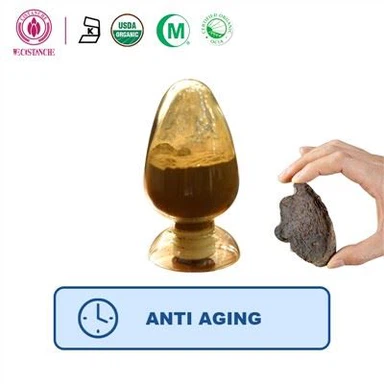
Cistanche deserticola prevents kidney disease
[Keywords] Cistanche Granules; Proteinuria; Glomerulonephritis
From September 2006 to May 2008, the author applied the cistanche granules developed by Inner Mongolia Lantai Pharmaceutical Co., Ltd. to treat 34 cases of chronic glomerulonephritis with kidney deficiency and proteinuria with satisfactory results.
1 Material and methods
1.1 General information
34 patients are all outpatients, 15 males, and 19 females; age 18-62 years, average (35.9 ±5.3) years; course of disease 15-62 months, average (29.3) ± 14. 6) months.Diagnosis and dialectical standards
1.2 Refer to the "Diagnosis, Syndrome Differentiation and Efficacy
Evaluation Trial Plan for Chronic Glomerulonephritis" formulated by the Nephropathy Branch of the Chinese Society of Traditional Chinese Medicine [1]
1. 2. 1 Western medicine diagnostic criteria ① The onset is hidden, the progress is slow, and the condition is protracted. The clinical manifestations can be mild or severe, or sometimes mild and severe. With the development of the disease, the renal function gradually declines, and anemia, electrolyte imbalance, and anemia may appear later. Blood urea nitrogen, increased blood creatinine, etc. ② Abnormal urine examination, quantification of urine protein often <3.5 g/24 h, hematuria (red blood cells with morphological changes are more common in phase-contrast microscopy), tubular urine, varying degrees of edema, hypertension, etc. ③ B-ultrasound and CT examinations showed that both kidneys can be reduced; kidney biopsy showed multiple types. ④ Exclude secondary glomerulonephritis.
1. 2. 2 TCM criteria for kidney deficiency syndrome ① Lung and kidney qi deficiency syndrome: Facial complexion, swelling of facial and limbs, fatigue, fatigue, susceptibility to colds, spontaneous sweating, weak waist and knees, low hands and feet, frequent and long urination or frequent nocturia, and pale tongue The red moss is white and the pulse is weak. ② Syndrome of spleen and kidney qi deficiency: lumbar and spine pain, fatigue, swelling of facial and limbs, less qi and lazy speech, frequent or nocturia, less appetite or abdominal distension, loose stools, pale red tongue.Tooth marks, thin white fur, thin veins. ③Spleen and kidney yang deficiency syndrome: pale complexion, cold limbs, sore waist and knees, oliguria and swelling, and even pleural and ascites, fatigue, abdominal distension, poor appetite, thin stools, low sexual function or menstrual disorders, and pale tongue Fat has tooth marks, white and slippery moss, heavy pulse or weak pulse.
1.3 Inclusion criteria
All patients were clinically or pathologically diagnosed with primary chronic glomerulonephritis, 24 h urine protein quantification> 0.5 g, serum creatinine (SCr) <177 μmol·L -1, and TCM syndrome differentiation accorded with lung Syndrome of deficiency of kidney qi, or deficiency of spleen and kidney qi, or deficiency of spleen and kidney yang
1.4 Treatment method
Apply cistanche granules, 1 bag each time, 3 times a day, and take it. Take it for 12 weeks. During the treatment period, do not take other Chinese medicines for the treatment of chronic nephritis (including proprietary Chinese medicines and decoctions), and adhere to the conventional treatment of western medicine, namely control protein diet, actively control blood pressure, and actively prevent infection.
1.5 Observation Indexes
① Main curative effect index: 24 h urine protein quantification and TCM main symptom score; ② Secondary curative effect index: serum creatinine (SCr), urea nitrogen (BUN), endogenous creatinine clearance rate (CCr).
1.6 Evaluation criteria for curative effect Refer to the "Diagnosis, Syndrome Differentiation and Efficacy
Evaluation Trial Scheme of Chronic Glomerulonephritis" formulated by the Nephropathy Branch of the Chinese Society of Traditional Chinese Medicine [1]. Complete remission: symptoms and positive signs disappear completely, urine protein and urine red blood cells continue to turn negative, urine protein quantitative <0.2 g /24 h, renal function recovered or remained normal. Basic relief: Symptoms and positive signs have basically disappeared (the main symptoms of traditional Chinese medicine has decreased by> 50%), the 24-hour urine protein and (or) urine red blood cells have been reduced by ≥50% compared with before the treatment, and the renal function has recovered or remained normal, or the blood creatinine has been compared with the treatment No change or increases before ≤50%. Effective: Symptoms and positive signs are significantly improved (TCM main symptom score decreased by ≥25%), 24-hour urine protein and (or) decreased by ≥25% compared with before treatment, serum creatinine of patients with abnormal renal function before treatment did not change or increased compared with before treatment High <100%. Invalid: Clinical manifestations and laboratory examinations have not improved or have not reached the above standards.

cistanche can treat kidney disease improve renal function
2 Results
2. 1 Total curative effect:
12 cases (35.29%) were completely relieved, and 9 cases were markedly effective (26. 47%), 6 cases were effective (17.65%), 7 cases were ineffective (20. 59%). The total effective rate is 79. 41%.
2. 2 The changes of test indicators before and after treatment are compared with those before treatment.
After 12 weeks of treatment, the patient's main symptom score decreased significantly (P <0.01), the 24-hour urine protein quantitative also significantly decreased (P <0.05), and there was no significant change in SCr, BUN, and CCR. It shows that the cistanche granules can significantly improve the main symptoms of patients with chronic glomerulonephritis of kidney deficiency, and can reduce the patient's 24-hour urine protein.
Table 1 Comparison of 24-hour urine protein, TCM scores, blood SCr, BUN, CCR before and after treatment (x± s)

3 Discussion
Chronic glomerulonephritis is an immune-inflammatory disease originating in the glomerulus caused by various factors. Chronic glomerulonephritis is protracted, lingering, and difficult to heal. It is more common in the categories of "back pain", "edema" and "deficiency" in Chinese medicine. Exogenous and internal injuries can cause this disease. The main pathological changes of this disease are in the lungs, spleen, and kidneys. The main pathological changes of this disease are kidney deficiency, lung as the marker, and spleen as the control. Pathogenesis is mainly the function of the kidney, lung, and spleen. obstacle. If the lungs are insufficient and the external health is not solid, and the qi cannot be transformed into the water; the spleen is unable to control the water, the movement and transformation will be lost, and the subtle flow will be inferior; The kidney is the internal organ of water and fire, which hides the true yin and sends the yuan yang. The imbalance of yin and yang can lead to the appearance of various syndromes of kidney deficiency, which can be clinically manifested as deficiency of lung and kidney qi, spleen and kidney qi deficiency, or spleen and kidney yang deficiency. Therefore, the treatment of chronic glomerulonephritis with the method of replenishing kidney qi is of great significance. Clinically, it can be the main function of nourishing the kidney, flexible and flexible, or nourishing the lung and kidney, or strengthening the spleen and kidney, or warming the yang and nourishing the kidney.
The author found in the clinic that among patients with chronic glomerulonephritis, a considerable proportion of patients with TCM syndromes belong to the syndrome of kidney deficiency. Therefore, the method of invigorating kidney qi and the application of cistanche granules are used to treat kidney-deficiency patients with proteinuria.

to relieve the chronic kidney disease with cistanche
34 cases of chronic glomerulonephritis have achieved good results. Cistanche Granules are composed of Cistanche, Morinda Officinalis, Cuscuta, Poria, Plantago, and Schisandra. Cistanche cistanche is sweet, sour, salty, and warm. It can nourish the kidney and strengthen the yang, and it can also nourish the essence and fill the marrow as a noble medicine. Morinda Officinalis Xingan is mildly warm, nourishes kidney qi, strengthens muscles and bones; Cuscuta Sinensis, Xinganping, nourishes yang and yin, solidifies essence, and nourishes blood, the two are both ministerial medicine, enhancing the power of Cistanche to nourish kidney qi. Schisandra acid can consolidate the lungs and nourish the kidneys, solidify the subtle; Fulingganping, invigorate the spleen, soak dampness and diuresis, the two are combined as adjuvants. Plantago Seed is sweet, salty, and slightly cold, diuresis and swelling, and introduces various medicines into the kidney as a medicine. The granule has the right medicine and reasonable prescription, and the monarch and the ministers can help to invigorate the kidney qi, nourish the kidney, replenish essence, and diminish swelling, so as to achieve the purpose of improving symptoms, reducing urine protein, and reducing edema. It is the treatment of chronic glomerulus with kidney deficiency. An effective drug for nephritis and proteinuria.
[references]
[1] Nephropathy Branch of Chinese Society of Traditional Chinese Medicine. Diagnosis, syndrome differentiation and efficacy evaluation criteria of chronic glomerulonephritis (trial scheme) [J]. Shanghai Journal of Traditional Chinese Medicine, 2006, 40(6): 8.

acteoside in cistanche have good effects on kidney