Unlock The Code Of Spring Rejuvenation, Good Liver Is The Real Anti-aging, Cistanche Deserticola Will Help
Feb 17, 2025
It is urgent to nourish the liver in spring.
The spring sun lingers, and the spring scenery is lush. "As the first gentle spring breeze brushes over the earth, all things in the world gradually awaken from their slumber under this gentle touch. The grass stubbornly poked its head out of the soil, and tender green sprouts quietly sprouted on the branches, exuding vitality and energy everywhere. In this season full of hope, nature showcases the power of life in its unique way.
And our bodies, like the earth in spring, must also be carefully nurtured during this season. Traditional Chinese medicine believes that the five organs and six viscera of the human body are closely related to the seasonal changes in nature, and spring corresponds to the liver. The liver, as the "chemical factory" of the human body, undertakes many important responsibilities such as detoxification, metabolism, and nutrient storage, playing a crucial role in maintaining physical health. In spring, liver qi is most active. If you can take good care of your liver now, it is like laying a solid foundation for a year of health.

Cistanche male benefits-Maintaining the liver
In real life, many people are often troubled by small problems in spring. Some people may inexplicably feel irritable and irritable, and even a small matter may cause them to become furious; Some people are plagued by insomnia, tossing and turning in bed with difficulty falling asleep; Some people may find their mouth bitter and their eyes dry and uncomfortable when they wake up early. These seemingly insignificant symptoms may be the liver sounding an alarm to us, reminding us that its condition is not very good. If we ignore these signals and keep the liver in an "overloaded" state for a long time, it will not only affect the current quality of life but may also lay hidden dangers for future health.
Poor liver, getting old early? It's not an exaggeration.
The liver, an important organ located in the upper right abdomen of the human body, silently bears the responsibility of maintaining the functioning of life. It is like a precision "processing factory" that participates in various metabolic processes of the human body. Extract nutrients from the food we consume, convert them into substances needed by the body, and then process the waste generated by metabolism, which is excreted from the body through bile, urine, and other means. At the same time, the liver also plays the role of a "detoxification guardian". Whether it is pollutants in the air, residual pesticides in food, or metabolic products of drugs, they all need to be filtered and resolved by the liver layer by layer to ensure that the body is protected from toxins.
Imagine that the liver is like a sewage treatment plant in a city, continuously treating domestic sewage to ensure a clean environment in the city. Once this's sewage treatment plant 'malfunctions and the sewage cannot be effectively treated, it will lead to the cross-flow of sewage throughout the city and environmental degradation. Our body is the same. When the liver function is damaged, metabolism and detoxification functions will be affected, and toxins will accumulate in the body, leading to a series of health problems.
People with good liver often have a rosy complexion, and smooth and elastic skin, like flowers blooming in spring, full of vitality and energy. Their eyes are bright and lively, shining with a lively radiance, like clear spring water, which is an external manifestation of the liver's abundant qi and blood and normal function. People with poor liver function have a very different situation. Their skin may become rough, dull, and dull as if covered in a layer of dust, and even develop problems such as acne and pimples, seriously affecting their appearance. Some people may also have pigmentation on their faces, which is like the traces of time, crawling onto their faces in advance, making them look much older than their actual age. Their eyes often lose their former radiance, becoming dry and yellowish, like a stagnant pool of lifeless water.
Liver damage leads to accelerated aging, which has a profound underlying mechanism. In traditional Chinese medicine, the liver is responsible for regulating and releasing blood, as well as storing blood. When the liver's drainage function is disrupted, it can lead to poor circulation of qi and blood. Qi and blood cannot be smoothly transported to various parts of the body, and the face will not receive sufficient nourishment from Qi and blood, resulting in problems such as pale complexion and yellowing. Moreover, the liver's blood storage function is impaired, resulting in insufficient liver blood to nourish the skin and hair. As a result, the skin becomes dry and rough, and the hair becomes dry and brittle. From the perspective of Western medicine, liver damage can affect the balance of the endocrine system, leading to hormonal imbalances. Hormonal imbalance can further affect the metabolism of the skin, slowing down the renewal rate of skin cells. The aging stratum corneum accumulates on the surface of the skin, making it appear dull and lifeless. In addition, the liver's detoxification function decreases, and toxins in the body cannot be eliminated promptly. These toxins accumulate in the body, causing toxic effects on cells, accelerating cell aging and death, and thus accelerating the aging process of the body.
Exploring Cistanche deserticola: a liver nourishing treasure in the desert
In the vast and boundless desert, the wind howls, the yellow sand fills the sky, and the scorching sun mercilessly roars the earth. The harsh environment here is daunting. However, in this seemingly forbidden zone of life desert, there grows a magical plant - Cistanche deserticola. It is like a mysterious hermit, parasitic on the root of the desert tree Red Willow, tenaciously surviving in the harsh environment, silently absorbing the essence of nature. For thousands of years, Cistanche deserticola has been regarded as a treasure in the desert, carrying the unique value bestowed by nature.

Desert living cistanche-Maintaining the liver
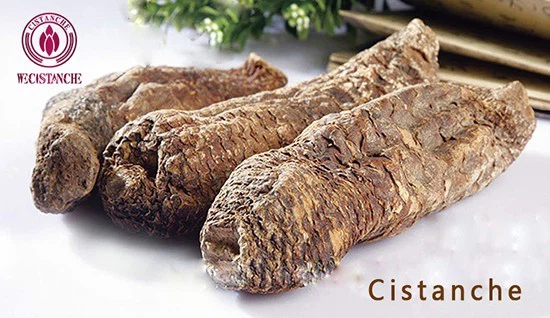
Cistanche, this name sounds full of mysterious charm. It also has the reputation of "desert ginseng", which reflects its precious position in people's hearts. The plant morphology of Cistanche deserticola is unique, with thick and fleshy stems covered in a layer of fine scales, like wearing sturdy armor to resist sandstorms and droughts in the desert. Its color is mostly brown or gray-brown, blending seamlessly with the desert's hues as if it were a fairy nurtured by the desert. When it emerges from the desert, its unique posture stands out, particularly in the desolate desert.
The reason why Cistanche deserticola has attracted much attention is not only because of its unique growth environment and morphology but more importantly, the powerful medicinal value it contains. Modern scientific research has found that Cistanche deserticola contains various beneficial components for the human body, such as polysaccharides, total phenylethanoid glycosides, amino acids, vitamins, etc. These ingredients work together to endow Cistanche deserticola with many miraculous effects, among which the role of protecting the liver is particularly prominent.
Cistanche deserticola is like a diligent liver guardian, silently caring for the health of the liver. It can effectively repair damaged liver cells like a skilled craftsman carefully repairing broken artwork. When liver cells are invaded by external factors such as viral infection, drug damage, alcohol stimulation, etc., the active ingredients in Cistanche deserticola can quickly exert their effects, promote the regeneration and repair of liver cells, and revitalize them. At the same time, Cistanche deserticola can promote the detoxification function of the liver, help the liver eliminate toxins and metabolic waste from the body, and reduce the burden on the liver. It is like a magical broom, sweeping away the "garbage" inside the liver, allowing the liver to function normally in a clean and healthy environment.
In numerous scientific studies, the hepatoprotective effects of Cistanche deserticola have been fully validated. Studies have shown that total phenylethanolic glycosides in Cistanche deserticola can reduce the activity of serum alanine aminotransferase and aspartate aminotransferase, which are important indicators of liver damage. A decrease in their activity indicates that liver damage has been alleviated. Cistanche deserticola can also increase the content of liver glycogen, which is an important substance for energy storage in the liver. Increasing its content helps maintain normal liver function and enhance liver resistance.
In addition to modern scientific research, there are also many records in ancient Chinese medical classics about the medicinal value of Cistanche deserticola. In the "Shennong Bencao Jing", Cistanche deserticola is listed as a top-grade herb, and it is recorded in the book that it "mainly works on five aspects and seven injuries, replenishes the middle, removes cold and heat pain from the stem, nourishes the five organs, strengthens yin, benefits essence and qi, and treats women's ailments. Although the medical theory at that time was different from modern times, we can still see from these descriptions that ancient people highly recognized the nourishing effects of Cistanche deserticola. In ancient times, although people did not have modern advanced scientific instruments to study the composition and mechanism of action of Cistanche deserticola, through long-term practice and observation, they found that Cistanche deserticola has significant benefits for human health, especially in tonifying the kidney and yang, moistening the intestines and promoting bowel movements, and has unique therapeutic effects. With the development of modern medicine, our understanding of Cistanche deserticola has deepened, and we have found that it also has excellent performance in protecting the liver and other aspects. This is undoubtedly a continuation and development of traditional medicine.
Cleverly using Cistanche deserticola in spring to promote liver health and rejuvenation.
After learning about the magical liver-nourishing herb Cistanche deserticola, I believe everyone can't wait to know how to cleverly integrate it into our daily lives in spring so that our liver can receive careful care. Don't worry, we will now share with you several simple and delicious ways to consume Cistanche deserticola, allowing you to easily achieve the goal of nourishing your liver while enjoying delicious food.
Cistanche deserticola infused water: a convenient daily liver nourishing drink.
In fast-paced modern life, a steaming cup of Cistanche deserticola soaked in water is the ideal choice for busy office workers. Prepare some dry Cistanche deserticola, cut it into thin slices, take 3-5 grams each time, and put them into a cup. Slowly pour in freshly boiled water and let the Cistanche deserticola stretch freely in the water. After soaking for 10-15 minutes, it is ready to drink. The brewed Cistanche deserticola water has a faint fragrance and a slight sweetness on the palate, leaving a lingering aftertaste. You can brew it 3-5 times repeatedly until the water taste becomes lighter. Just like the first cup of coffee in the morning can awaken the body, a cup of water soaked in Cistanche can inject vitality into your liver and start a day full of energy. However, it should be noted that Cistanche deserticola is warm, and excessive consumption may cause internal heat. Therefore, it is not advisable to drink too much per day. It is recommended to drink it in the morning or noon, as drinking it too late at night may affect sleep.
Cistanche deserticola soup: a nutritious and nourishing spring soup
On a weekend afternoon, cooking a pot of Cistanche deserticola soup carefully for the family is a warm and happy thing. Whether paired with pork ribs, chicken, or duck, Cistanche deserticola can perfectly blend, adding a unique flavor and rich nutrition to the soup. Taking Cistanche deserticola pork rib soup as an example, wash and cut the pork ribs into pieces, blanch them to remove the fishy smell, and then put them in a clay pot. Take 10-15 grams of sliced Cistanche deserticola and add it to a pot along with ginger slices, scallions, and other seasonings. Add an appropriate amount of water and bring to a boil over high heat. Then reduce the heat to low and simmer for 2-3 hours. During the stewing process, the nutrients of Cistanche deserticola gradually blend into the soup, making it rich and delicious. Drinking a sip of soup and eating a piece of fresh and tender pork ribs, I feel my whole body being warmed and nourished. This soup not only nourishes the liver but also supplements the protein and calcium needed by the body, especially suitable for the elderly and children. It should be noted that the amount of Cistanche deserticola used in soup should be controlled properly, as too much may mask the delicious taste of the soup. Moreover, although Cistanche deserticola soup is nutritious, it is not recommended to drink it every day. It is advisable to drink it 2-3 times a week.

Benefits of cistanche tubulosa-Maintaining the liver
Cistanche Congee: a healthy breakfast to warm the intestines and stomach
When the morning sun shines into the kitchen, it is very pleasant to cook a pot of steaming Cistanche Congee and start a beautiful day. Cut the Cistanche deserticola into thin slices, put it in a pot with rice and an appropriate amount of water, and cook until the rice is soft and tender. If you like a sweet taste, you can also add a little rock sugar or honey for seasoning; If you like a salty taste, add some minced meat and vegetables, the taste is also very delicious. Cistanche Congee tastes soft and glutinous and is easy to digest. It can not only nourish the liver but also warm the intestines and stomach, providing sufficient energy for the body. For people with a weak spleen and stomach, Cistanche Congee is an ideal healthy breakfast. When eating, pay attention to the temperature of the Congee to avoid scalding the mouth and esophagus. It can be consumed 3-4 times a week to provide continuous nourishment for the body during spring.
There is a friend named Xiao Li who has been staying up late and working overtime for a long time, and his liver has been in poor condition. Every spring, many pimples appear on the face, and the whole person doesn't look very energetic. Later, he followed the advice and insisted on drinking water soaked in Cistanche deserticola every day in spring and drinking Cistanche deserticola soup several times a week. After persisting for some time, he was pleasantly surprised to find that the acne on his face gradually decreased, his skin became much smoother, and his mental state also improved significantly, no longer feeling tired as easily as before. He sighed and said, "I used to think that nourishing the liver was a troublesome thing, but I didn't expect Cistanche deserticola to be so simple and effective. It allowed me to enjoy delicious food while also nourishing my liver." There are many examples like Xiao Li, and more and more people feel positive changes in their bodies by eating Cistanche deserticola in spring.

cistanche powder health benefits
Click here to view Cistanche deserticola tea products
【Ask for more】 Email:cindy.xue@wecistanche.com / Whats App: 0086 18599088692 / Wechat: 18599088692
Nourishing the liver is not only about Cistanche deserticola but also about paying attention to the details of daily life.
Although Cistanche deserticola is good, nourishing the liver in spring is a comprehensive "battle" that cannot rely solely on this ingredient. It is also necessary to start from various aspects of life and take comprehensive care of the liver.
Regular sleep patterns are the foundation for nourishing the liver. In spring, one should follow the natural law of yang energy generation, go to bed early, and wake up early to ensure sufficient sleep. The night is the golden time for the liver to self-repair and detoxify, from 11 pm to 3 am, which is the "peak working period" of the liver. At this point, if we can enter a deep sleep state, it is like providing a quiet working environment for the liver, allowing it to efficiently complete various tasks. On the contrary, if one stays up late for a long time and the liver does not get sufficient rest, it will be like an exhausted worker, with decreased work efficiency and an inability to complete metabolism and detoxification work normally. Toxins will accumulate in the body, damaging liver health. So, try to go to bed before 11 pm every day and wake up between 7-8 am to nourish the liver in a good sleep routine.
Spring is also a good season for exercise, moderate exercise can promote the circulation of qi and blood, and enhance liver function. The plan for a year lies in spring, and the plan for a day lies in the morning. In the early morning, when the first ray of sunshine falls on the earth, we can step out of our homes and go for a walk in the park or the outskirts. During the stroll, I admire the tender green sprouts and blooming flowers on the roadside, breathe fresh air, and feel the beauty of nature. This not only exercises the body but also makes the mood happy. Besides taking a walk, practicing Tai Chi and practicing Baduanjin are also good choices. These traditional exercise methods have gentle and soothing movements, which can regulate breathing, unblock meridians, and promote smooth circulation of qi and blood, thus achieving the goal of nourishing the liver. Exercise 3-5 times a week for at least 30 minutes each time to keep your body energized during the workout.
superman herbs cistanche
The impact of emotions on the liver cannot be ignored. In traditional Chinese medicine, the liver is responsible for emotions, and emotional fluctuations can directly affect the liver's drainage function. In spring, as the temperature gradually rises, the body's yang energy also keeps rising, and emotions can easily become irritable and anxious. If one frequently gets angry, it can lead to liver qi stagnation, poor circulation of qi and blood, and affect the normal function of the liver. Just like a river being blocked and unable to flow smoothly, the obstruction of qi and blood circulation in the liver can lead to various problems. So, we need to learn to adjust our emotions and maintain a relaxed mood. When encountering troubles, you can confide in friends or relieve stress and release your emotions by listening to music, drawing, and other methods. Keep the liver healthy and in a calm mood.