Vascular Calcification Progression Revealed As A Key Risk Factor For Clinical Outcomes in Dialysis Patients
May 08, 2023
The main cause of poor prognosis in chronic kidney disease (CKD) is cardiovascular disease, and vascular calcification is a major risk factor for cardiovascular disease in CKD patients. At present, in Chinese dialysis patients, there is still a lack of sufficient evidence-based evidence for the prevalence, progression risk, and long-term prognosis of vascular calcification, which hurts the establishment of treatment options for CKD patients.

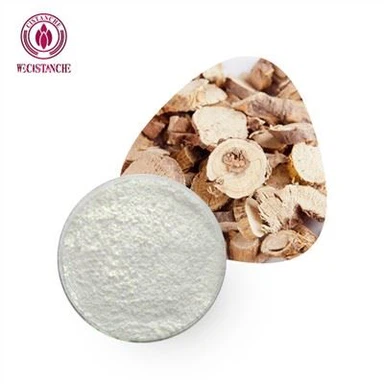
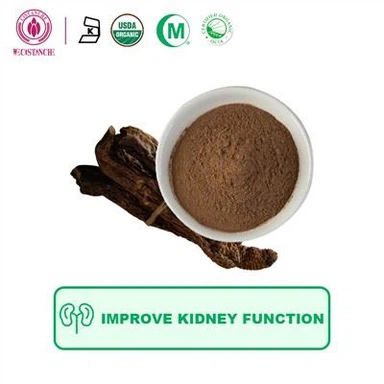
Click to cistanche tubulosa extract for Chronic kidney disease
On May 1, 2023, the team of academician Liu Zhihong of the National Kidney Disease Clinical Research Center of the Eastern Theater General Hospital published the follow-up data of the China Dialysis Calcification Study (CDCS) in the JAMA sub-journal. This study is the first (and the longest follow-up time) large-scale, prospective, multi-center clinical practice study of Chinese dialysis patients, and for the first time clarified the progress of vascular calcification in different anatomical parts of dialysis patients; revealed the risk factors of vascular calcification; The relationship between vascular calcification in different parts and the prognosis of patients was clarified.
More importantly, the study confirmed that the management of serum calcium, phosphorus, and parathyroid hormone (iPTH) can improve the progression of vascular calcification and reduce the risk of death, providing strong evidence for the formulation of clinical treatment and management strategies for CKD patients evidence.
Method
The China Dialysis Calcification Study (CDCS) is a national, multi-center (24 centers), prospective, large-scale cohort study led by academician Liu Zhihong of the Eastern Theater General Hospital and the National Clinical Research Center for Kidney Diseases, between May 1, 2014, and April 30, 2015, 1489 patients were enrolled and followed up for 4 years. Enrolled patients need to meet two conditions: ① aged between 18 and 74 years old; ② receiving stable blood/peritoneal dialysis for ≥ 6 months.
The primary endpoints were all-cause death, cardiovascular-related death, and the composite rate of all-cause death and nonfatal cardiovascular events. In addition, the study also looked at vascular calcification in different anatomical sites of patients, including coronary artery calcification (CAC), abdominal aortic calcification (AAC), and cardiac valve calcification (CVC).
Total vascular calcification was defined as a CAC score >0, AAC score >0, and/or CVC score 1of or 2.
Result
A total of 1489 patients were enrolled, and the median follow-up was 3.9 (2.9-4.1) years. The median age (IQR) of the patients was 51.0 (41.0-60.0) years old, and there were 886 (59.5%) males and 603 (40.5%) females. There were 1168 patients (78.4%) and 321 patients (21.6%) receiving maintenance hemodialysis or peritoneal dialysis, respectively.
During the 4-year follow-up, the overall prevalence of vascular calcification reached 90.7%, among which the prevalence rates of CAC, AAC, and CVC were 81.0%, 74.5%, and 45.6%, respectively, and the baseline prevalence of vascular calcification was significantly increased (P<0.001).
During the follow-up period, 86.5% of the patients had progressive vascular calcification, and the proportions of CAC, AAC, and CVC were 69.6%, 72.4%, and 33.4%, respectively. Interestingly, the prevalence of CAC, AAC, and CVC was slightly higher in hemodialysis patients than in peritoneal dialysis patients, but the prevalence of vascular calcification at each site was similar in hemodialysis and peritoneal dialysis patients at the end of follow-up (Fig. 2).


Figure 2 The progression of vascular calcification in different anatomical sites in CDCS patients during the follow-up period
Remarks: Figure 2 A shows the progression of vascular calcification in all patients; Figure 2 B shows the vascular calcification in hemodialysis patients; Figure 2 C shows the vascular calcification in peritoneal dialysis patients
At the end of the follow-up, the all-cause mortality rate of the enrolled patients was 9.1%, and the incidence rate of cardiovascular-related death was 3.6%. The composite rate of all-cause death and nonfatal cardiovascular events was 9.6% (54.5 events/1000 patient-years). Multivariate analysis showed that CAC progression was an independent risk factor for all-cause death, cardiovascular-related death, and composite endpoint (all-cause death + non-fatal cardiovascular events) (Figure 3).

Figure 3. Research results of multivariate analysis
Remarks: Model 1 corrected age, gender, and body mass index (BMI); Model 2 corrected all factors in Model 1 and smoking status, diabetes history, and mean arterial pressure; Model 3 corrected all factors in Model 2 and Serum calcium, phosphorus, intact parathyroid hormone, and fibroblast factor 23 (FGF-23) levels.
The study found that the progress of CAC was closely related to the achievement of three biomarkers including blood calcium, blood phosphorus, and iPTH Multivariate analysis showed that there were significant differences in the risk of CAC progression among patients who did not reach the target, 1-2 items, or 3 items. In short, the risk of CAC progression was lowest in patients who met the 3 criteria, and highest in those who did not (Fig. 4).

Figure 4 Multivariate analysis of CAC progression
Remarks: Model 1 corrected age, gender, and BMI; Model 2 corrected all factors in Model 1 and smoking status, diabetes history, and mean arterial pressure; Model 3 corrected all factors in Model 2 and blood calcium, blood phosphorus, and FGF-23 levels.
Discussion
The CDCS study is by far the largest and longest follow-up study in China on vascular calcification in dialysis patients. There are three main innovations in this study:
①The incidence and progression of vascular calcification in different anatomical parts of dialysis patients;
②The main risk factors for the progression of vascular calcification in maintenance dialysis patients;
③Continuously reaching the target levels of serum calcium and phosphorus, and iPTH is the key to reducing CAC. A key factor in progression and reduction in mortality.
Most importantly, this study helps to develop management strategies for patients with CKD.
In this study, the researchers found that the progression of vascular calcification was strongly associated with age and higher levels of FGF-23. Previous studies have shown that FGF-23 is an important hormone that regulates blood phosphorus and vitamin D levels. Notably, increases in FGF-23 levels are often accompanied by increases in blood phosphorus levels. In CKD patients, the level of FGF-23 was significantly higher than that in non-CKD patients, which may be related to decreased renal phosphate excretion.

Overall, FGF-23 is a reliable biomarker associated with CKD and blood phosphorus metabolism, which is beneficial to improve vascular calcification, cardiovascular disease, CKD, and chronic kidney disease mineral and bone abnormalities (CKD-MBD ). In addition, although the risk factors for vascular calcification in different anatomical sites are slightly different, they are all closely related to age, blood phosphorus, blood calcium, iPTH, blood pressure, etc.
Although the KDIGO (2017 edition) guidelines recommend abdominal angiography and echocardiography as the main means of vascular calcification detection, there are differences in vascular calcification in different anatomical locations, and the scoring systems for vascular calcification in different locations are also different. In addition, the high cost and poor operability of CAC examination make it difficult for clinicians to fully understand the condition of CAC in patients, resulting in poor CAC management. However, recent related studies have shown that patients who received the new CAC examination had a reduced risk of adverse clinical outcomes.

Currently, the treatment guidelines for CKD-MBD are the management of serum phosphorus, serum calcium, and iPTH levels. This study showed that the progression of CAC was significantly delayed when all three biomarkers were reached. This finding is consistent with previous studies and with interim reports from other ongoing studies. Therefore, in the future treatment of CKD, attention should be paid to keeping the levels of serum phosphorus, calcium, and iPTH within the specified range, which can delay the progression of CAC and improve the clinical prognosis.
In summary, the CDCS study suggests that vascular calcification progresses rapidly in dialysis patients, and the progression of CAC is closely related to the outcome of dialysis patients. Maintaining the target levels of blood calcium, blood phosphorus, and iPTH in patients is an important factor in reducing the progression of CAC and the risk of death. This study provides an important reference for formulating more accurate, long-term, and effective clinical treatment and management strategies for patients with dialysis and CKD.

Expert pProfileAcademician Liu Zhihong
member of the China Engineering Academy
Professor, Doctoral Supervisor
Member of the Chinese Academy of Medical Sciences
Director of National Kidney Disease Clinical Research Center, General Hospital of Eastern Theater Command
Dean of Zhejiang University School of Medicine
Executive Director of the Council of the Chinese Medical Association
Chairman of the Ninth Session of the Nephrology Branch of the Chinese Medical Association
National "973" Program Chief Scientist
Chief Scientist of the National "Precision Medicine" Key R&D Program
Executive Director of the International Society of Nephrology (ISN)
The mechanism of Cistanche extract treating kidney disease
Cistanche extract is a traditional Chinese medicine used for the treatment of various diseases, including kidney disease. The mechanism of action of Cistanche extract in treating kidney disease involves several factors.
1. Anti-inflammatory properties: Cistanche extract contains natural compounds that have anti-inflammatory properties. These compounds help to reduce inflammation in the kidneys, which can reduce the damage caused by kidney disease.
2. Antioxidant properties: Cistanche extract also contains antioxidants that help to protect the kidneys from oxidative stress. Oxidative stress occurs when there is an imbalance between free radicals and antioxidants in the body. This can damage the kidneys and contribute to the development of kidney disease.
3. Renal function improvement: Cistanche extract has been found to improve renal function in animal studies. It can help to reduce proteinuria, which is a common symptom of kidney disease, and also reduce the levels of serum creatinine and blood urea nitrogen (BUN), which are markers of kidney function.
4. Immune system modulation: Cistanche extract can help to modulate the immune system, which can reduce the progression of kidney disease. In particular, it can help to regulate T cell activity, which can reduce inflammation in the kidneys and improve renal function.
Overall, the use of Cistanche extract in the treatment of kidney disease is promising.
References:
1. Zhang H, Li G, Yu X, et al. Progression of Vascular Calcification and Clinical Outcomes in Patients Receiving Maintenance Dialysis. JAMA Netw Open. 2023 May 1;6(5):e2310909.