What Are The Difference Between Wildly Grow Cistanche And Artificially Cultivated Cistanche On Immunity Enhancing Activity
Mar 10, 2022
Contact: Audrey Hu audrey.hu@wecistanche.com
Zhao Bing; Yang Xiumei; Wu Daocheng; Ba Xueli; Li Quanxiao; Tan Yachao; Zhang Ailian
Abstract:
Objective: To compare the immune enhancement effects of wildly growing cistanche and artificially cultivated cistanche polysaccharides from cistanche (thereafter: the WCDPS & CCDPS respectively).
Methods: Different doses (low, medium, and high) of WCDPS and CCDPS and ovalbumin (OVA) were subcutaneously immunized with ICR mice, OVA-specific antibody IgG, and antibody subtypes IgGl and IgG2a were detected by ELISA, and by MTT method. OVA-specific lymphocyte proliferation activity, flow cytometry to detect the expression level of CD4 + T cells and CD8 + T cells.
Results: Both WCDPS and CCDPS can significantly increase the expression levels of OVA-specific antibody IgG and antibody typing IgG1 and IgG2a (P<0.05), and there is no statistically significant difference between the same doses of WCDPS and CCDPS (F>0. 05); WCDPS and CCDPS can significantly promote OVA-specific lymphocyte proliferation, and the difference between the same dose is not statistically significant (P> 0.05); WCDPS and CCDPS can also significantly increase the percentage of CD4+T and CD8+T cells Sub-content (P<0.05), and the difference between the same dose was not statistically significant (P>0.05), WCDPS and CCDPS had no effect on the weight of the immunized mice.
Conclusion: Both WCDSP and CCDPS can significantly enhance OVA-specific humoral and cellular immune responses, and there is no statistically significant difference between the two, and they have good safety.

Keywords: cistanche; polysaccharides from cistanche; ovalbumin; adjuvant
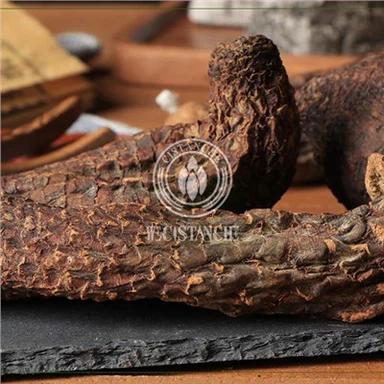
Cistanche (C. deserticola. YC Ma), also known as Cunyun and Dayun, is a parasitic herbaceous plant of the Lydanaceae for many years. It is a rare and precious Chinese medicinal material. Its main ingredients include polysaccharides from cistanche, Cistanche phenylethanoid glycoside compounds, Organic acids, alkaloids, etc.⑷, have multiple functions such as nourishing essence and blood, assisting yang and tonifying the kidney, and relieving aging⑸. Due to the extremely high medicinal value of cistanche, overexploitation of wild species is on the verge of extinction, and artificially cultivated cistanche has been successful. Researchers at home and abroad have done a lot of research on the chemical components and active ingredients of wildly growing cistanche and artificially cultivated cistanche, but there are few reports about the comparison of wild and cultivated cistanche polysaccharides from cistanche (WCDPS/CCDPS) adjuvant activity. A large number of studies have shown that plant polysaccharides from cistanche as an adjuvant can regulate the immune response of the body. Many researchers have used Chinese herbal medicine as a vaccine adjuvant and have made good progress ".

This study is based on the previous research (6) to compare the immuno-enhancing activities of Xinjiang WCDPS and CCDPS. Mainly through mouse immunization experiments, different doses of WCDPS and CCDPS were subcutaneously immunized with OVA in ICR mice, and their effects on the level of humoral immunity and cellular immunity induced by OVA after immunization were tested. Compare wildly grow cistanche and artificially cultivated cistanche polysaccharides The immune-enhancing activity of polysaccharides in the citrus can provide a reference for the better development and utilization of artificially cultivated cistanche in Xinjiang.
Materials and Method
Experimental Materials:
Wildly grow cistanche and cultivated cistanche (commercially available). RPMI 1640 culture medium was purchased from GIBCO; Fetal bovine serum was purchased from Israel Bioind; Flow cytometry antibodies: PE rat-anti mouse CD3, APC rat-anti mouse CD4, FITC rat-anti mouse CD8a were purchased from American BD company, egg white Protein (Ovalbumin, OVA) Sigma product, horseradish peroxide-labeled goat anti-mouse IgG, IgGl, and IgG2a were purchased from Southbiotech, USA. The other experimental chemical reagents are all domestic analytical reagents.
Experimental animals:
Clean-grade female ICR mice (6-8 weeks, 18-22 g) were purchased from the Experimental Animal Center of Xinjiang Medical University. The animals were kept in the animal room of our laboratory, and the experiment was started 7 days after the animals were acclimatized.
Preparation of WCDPS and CCDPS:
Reference [17] uses the method of water extraction and alcohol precipitation. The brief steps are as follows: Take dry Xinjiang cultivated and wild cistanche powder, add 10 times the volume of petroleum jelly and absolute ethanol to ultrasonic for 1 h; after suction filtration, retain the medicine residue and dry, add 10 times the volume of distilled water 37T Ultrasound twice, centrifugation at 4 000 r/min for 10 min, combine the supernatants, rotary evaporate and concentrate, and precipitate overnight with alcohol; after vacuum filtration and drying, the crude extract powder is obtained; Savage method ⑻ removes protein from WCDPS and CCDPS. The content of polysaccharides from cistanche in WCDPS and CCDPS determined by the onion-sulfuric acid method was 76.82% and 59.58%, respectively.
Mouse immunization and serum collection:
The 6-8 week old ICR female mice were used as experimental animal models. The experiment was divided into 9 groups, 5 in each group: 0.9% NaCl, OVA 10 jig, OVA-Alum 200 |jLg, OVA-WCDPS 10 |xg, OVA -WCDPS 50 |xg, OVA-WCDPS 100 net, OVA-CCDPS 10 |jLg, OVA-CCDPS 50 |xg, OVA-CCDPS 100 net. Dissolve with 0.9% NaCl before immunization, and immunize the mice subcutaneously twice with an interval of 2 weeks. Blood is collected before immunization, and serum-80Y is prepared and stored for later use.
The effects of WCDPS and CCDPS on the growth of mice:
To observe the effects of WCDPS and CCDPS on the growth of mice, the weights of mice in each group were weighed at 0 d before the initial immunization, 14 d, and 21 d after the immunization.
Detection of mouse serum antibody IgG and typing after WCDPS and CCDPS immunization:
The indirect ELISA method was used to determine serum antibodies. Coated the ELISA plate with 2.5 jig/ml OVA, 4Y overnight; washed with PBST 3 times and then added 5% non-fat milk powder 37L for blocking for 1 h; washed 3 times with PBST, and added the primary antibody to the mice after immunization in each group Serum, the primary antibody dilution ratio is 1: 100, 100 pill per well, 37Tl h; after washing 3 times with PBST, add secondary antibodies: goat anti-mouse IgG, IgGl, IgG2a (l: 5 000) labeled with HRP 37 Incubate the dragon for 1 h; after washing 4 times with PBST, add tetramethylbenzidine (TMB) substrate solution to avoid light for 15 min. Add 50 to each well to stop the reaction with 2 mol/L H2SO4, and measure the A45O/655 value. Compare the levels of antibodies in each group.
Detection of mouse splenic lymphocyte proliferation after WCDPS and CCDPS immunization:
MTT method was used to detect the proliferation of lymphocytes in the spleen of mice immunized with CCDPS and WCDPS. The spleen of the mice was isolated under aseptic conditions 21 days after the initial immunization and the spleen cells were diluted with 10% FBS-containing RPMI 1640 medium to make single cells Suspension, count, and adjust the cells(r cells/ml spread into a 96-well cell culture plate, add 20 OVA (final concentration 10 |xg/ml) and ConA (final concentration 5 pig/ml) respectively Stimulate, set an empty cell control and an empty serum control at the same time, put it in a 37Y cell incubator for 48 hours, add 20 MTT to each well, 37^ and continue to incubate for 4 hours, add 100|±1 DMSO to each well to dissolve and test the heart 0/63。 Value, calculate the stimulation index (SI) of each group of mice.
The expression of CD4 and CD8 on CD3+ T cells after WCDPS and CCDPS immunization:
Flow cytometry was used to detect the expression of CD4+T and CD8*T cells on the surface of CD3+ T cells. The mouse spleen was isolated under aseptic conditions 21 days after the primary immunization, and the spleen was treated with RPMI 1640 medium containing 10% FBS. Prepare a single cell suspension, count, and adjust the number of cells to 1x10⁶ cells/sample, perform CD4 and CD8 staining on the surface of CD3 + T cells, protect from light at room temperature for 25 min, and use 10 ml of a phosphate-buffered solution containing 0.5% FBS (phosphate-buffered solution). saline, PBS) 1 200 r/min 7 min wash once, add 250 |jil PBS, pass 200 mesh copper mesh, flow cytometry to detect the expression of CD4 and CD8 on the surface of CD3*T cells.
Statistical methods:
Flowjo 7.6 software processes flow cytometry test results; GraphPad Prism 5.0 is used for data analysis, and the data are all based on the mean ± standard deviation. Use Student and test to compare the data between the experimental groups. P<0.05 means that there is a difference. Statistical significance.

Result
1. The effect of WCDPS and CCDPS on the growth of mice: After co-immunization with WCDPS and CCDPS and OVA, weigh the weight of the mice (Table 1). There was no statistically significant difference in the bodyweight of mice in each group during the same growth period ( P>0.05).
2. The effect of WCDPS and CCDPS on OVA-specific antibody IgG: WCDPS and CCDPS were subcutaneously immunized with OVA to detect the expression of OVA-specific antibody IgG in the serum after 14 days and 21 days of immunization. The results are shown in Figure 1, WCDPS and CCDPS promoted the expression of antibody IgG in the serum in a dose-dependent manner; OVA+WCDPS 50 p,g compared with OVA+CCDPS 50 |xg can significantly promote OVA-specific antibodies compared with OVA+CCDPS 50 |xg. The expression of IgG (F<0.05), but the difference was not statistically significant compared with the aluminum adjuvant group (P>0.05); the difference between WCDPS and CCDPS at the same dose was not statistically significant (P>0.05).
3. The effect of WCDPS and CCDPS on OVA-specific antibody typing: 21 days after immunization, the expression of OVA-specific antibody typing IgG1 and IgG2a in serum was detected. The results are shown in Figure 2. OVA-WCDPS 50 jig and OVA-WCDPS 100 |xg Mumu significantly promoted the expression of antibody IgG2a in serum than the OVA group alone (P<0.05); both OVA-WCDPS 50 and OVA-CCDPS 50 pigs could significantly promote the expression of OVA-specific antibody IgGl (P<0. 001); Compared with OVA-WCDPS 50 p,g, and OVA-WCDPS 100 jig, the aluminum adjuvant group can significantly promote the expression of antibody IgG2a (F<0.05); the expression of antibody typing is different between WCDPS and CCDPS at the same dose No statistical significance (P>0.05).
4. The effect of WCDPS and CCDPS on the proliferation of mouse OVA-specific lymphocytes: In order to detect the effect of WCDPS and CCDPS on splenic lymphocytes, polysaccharides from cistanche were subcutaneously immunized with OVA, and spleen cells were separated 21 days after immunization, and the MTT method was used to detect them Promote OVA-specific lymphocyte proliferation. The results are shown in Figure 3. WCDPS and CCDPS enhanced OVA-specific lymphocyte proliferation in a dose-dependent manner. The combination of WCDPS and CCDPS with the OVA group can significantly promote OVA-specific lymphocyte proliferation compared with the OVA group alone. Lymphocyte proliferation (P <0.05); OVA-WCDPS 50 jig and OVA-CCDPS 50 |xg compared with an aluminum adjuvant group can significantly promote OVA-specific lymphocyte proliferation (P<0.05); the same dose of WCDPS There was no statistically significant difference between CCDPS and CCDPS (P>0.05).
5. The effect of WCDPS and CCDPS on CD3+ CD4+ T and CD3+ CD8+ T cells: 21 days after WCDPS and CCDPS were subcutaneously immunized with OVA, the expression of CD4 and CD8 in CD3+ T cells was detected by flow cytometry, as shown in Figure 4A It is shown that OVA-WCDPS 50, OVA-CCDPS 50 jig and OVA-WCDPS 100 can significantly promote the proliferation of CD3+CD4+ T cells (P<0.05); as shown in Figure 4B, OVA-WCDPS 10 a, OVA-WCDPS 50 Zhao significantly promotes the proliferation of CD3+CD8+ T cells (F<0.05), OVA-WCDPS 100 |xg, OVA-CCDPS 100 significantly promotes the proliferation of CD3+CD8+ T cells (P<0.01); but the same dose There was no significant difference between WCDPS and CCDPS (P>0.05); there was no significant difference between WCDPS and CCDPS and OVA compared with an aluminum adjuvant group (P>0.05).
Discussion
Numerous studies have shown that Chinese herbal medicine has immunomodulatory function "Da], and there are also a large number of reports proving that Chinese herbal medicine polysaccharides from cistanche can be used as an adjuvant to enhance the immune effect of vaccines"3], and the Xinjiang desert meat from Congrong selected in this study is a unique medicinal material in Xinjiang, and Wild species are on the verge of extinction, combined with their higher medicinal value, cultivating cultivated species is particularly important for the development and utilization of medicinal plant resources. New vaccines on the current market have good antigen specificity, but poor immunogenicity. Plant polysaccharides from cistanche can make up for this deficiency. my country has a great advantage in the research of Chinese herbal medicine. We screen vaccine adjuvants from natural Chinese herbal medicines. High feasibility. Studies have shown that Chinese herbal polysaccharides from cistanche have varying degrees of regulation on specific immunity and non-specific immunity, such as Ganoderma polysaccharides from cistanche, Radixisatidis polysaccharides from cistanche, Poria cocos polysaccharides from cistanche koji, inulin polysaccharides from cistanche 27], etc. Can enhance the immune effect of the vaccine.

Due to the rapid increase in demand for cistanche, its wild species have been extinct mined and are now listed as endangered and protected plants in my country. Based on the success of the artificial planting of desert Caulis Carlsbad, cultivated species are expected to replace wild species. In this experiment, wildly grown cistanche and cultivated artificial cultivated cistanche polysaccharides were used as OVA adjuvants to carry out in vivo mouse immunization experiments. By testing various indicators, the immune effect of wild and cultivated cistanche was initially evaluated, which provided a reference for the effective use of cultivated cistanche in Xinjiang.
In order to understand the safety of wildly grow cistanche and cultivated artificially cultivated cistanche saccharides from cistanche, in vivo animal immunization experiments have observed the appearance characteristics of mice and found that the mice have no diarrhea, erect hair, or tears after immunization, and their activities and breathing are normal, and there is no muscle twitching. There was no significant difference in the bodyweight of the mice in each group due to the disorder phenomenon, indicating that the WCDPS and CCDPS immunization did not affect the growth of the mice and have a certain degree of safety. Antibody IgG and typing test results show: WCDPS and CCDPS can significantly increase the expression of OVA-specific antibody IgG after co-immunization with OVA, and the effect is equivalent to aluminum adjuvant; it can significantly enhance the expression of OVA-specific antibody type IgG2a and IgGl, It shows that polysaccharides from cistanche enhance Th1 and Th2 immune response at the same time, and there is no significant difference between WCDPS and CCDPS. The results of antibody typing IgG2a found that WCDPS and CCDPS and OVA co-immunization group can significantly enhance the expression of IgG2a compared with the aluminum adjuvant group, an aluminum adjuvant is weaker in promoting T cell expression, which proves that WCDPS and CCDPS are used as adjuvants The ability to promote cellular immunity is significantly higher than that of aluminum adjuvants.
The results of detection of lymphocyte proliferation by the MTT method showed that the spleen cells of mice in each group were stimulated by OVA. The stimulation index (SI) of lymphocyte proliferation in the WCDPS and CCDPS combined with OVA was significantly higher than that in the OVA alone immunization group. OVA- The stimulation index of the WCDPS 50 Ah and OVA-CCDPS 50 jig group was significantly higher than that of the aluminum adjuvant group; it indicates that WCDPS and CCDPS combined with the OVA group can significantly increase the proliferation of OVA-specific lymphocytes compared with the OVA group and aluminum adjuvant group.
There are different subgroups of T lymphocytes. CD3 is the surface molecule of all T lymphocytes. According to different phenotypes, they can be divided into CD8+ T cells and CD4 T cells. CD4+ molecules can be formed under the action of MHC fl molecules, which are mainly used as helper (Th) cells after activation. The CD8+ molecules need to be formed under the action of MHC I molecules. After activation, they become killer (TC or CTL) cells, which play an important role in immunity against viral infections and tumor immunity. 3". Flow cytometry detects CD3PD4+T and CD3+CD8+T cell expression, the results show that WCDPS and CCDPS can significantly promote the proliferation of CD4+T and CD8+T cells within a certain dose range, and there is no significant difference between WCDPS and CCDPS at the same dose. The combination of CCDPS and OVA can stimulate the expression of CD3 + CD4 + T and CD3 + CD8 + T cells, and the two effects are equivalent.
In summary, WCDPS and CCDPS are safe as adjuvants. After being immunized with OVA, they can simultaneously enhance specific humoral immunity and cellular immunity. Compared with aluminum adjuvants, WCDPS and CCDPS have better effects on cellular immunity enhancement, and there is no difference in the enhancement effects of the two polysaccharides from cistanche. These research results provide material references for Xinjiang artificially cultivated cistanche polysaccharides from cistanche as adjuvants and also provide the material basis for screening safe and efficient immune adjuvants from Xinjiang desert cistanche.

References
[1] Zhao X, Sun W, Zhang S, et al. The immune adjuvant response of polysaccharides from Atractylodis macrocephalus Koidz in chickens vaccinated against Newcastle disease (ND) [J]. Carbohydr Polym, 2016, 190-196. DOI: 10. 1016/j. carb pop. 2016. 01.033.
[2]Li J, Wang X, Wang W, et al. Pleurotus ferulate water extract enhances the maturation and function of murine bone marrow-derived dendritic cells through TLR4 signaling pathway [J ]. Vaccine, 2015, 33(16) : 1923-1933. DOI: 10.1016/j. vaccine.2015.02. 063.
[3]Zhao H, Luo Y, Lu C, et al. Enteric mucosal immune response might trigger the immunomodulation activity of Ganoderma polysaccharide in mice[ J]. Planta Med, 2010, 76(3): 223-227. DOI: 10. 1055/S-0029-1186055.