What Are The Pharmacological Effects Of Cistanche?
Mar 10, 2022
Contact: Audrey Hu Whatsapp/hp: 0086 13880143964 Email: audrey.hu@wecistanche.com
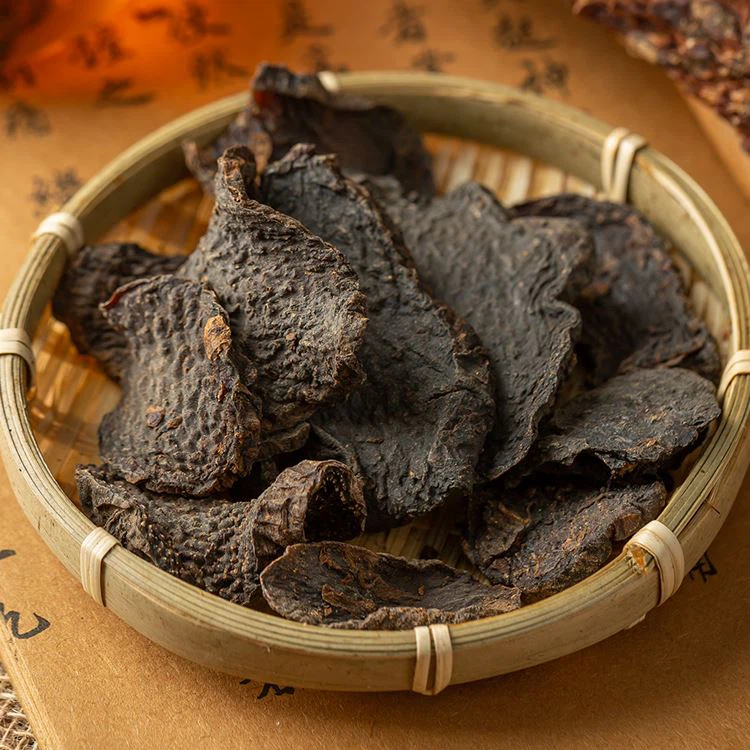
Cistanche(scientific name: Cistanche deserticola Ma), also known as Cunyun, Cistanche deserticola, Cistanche tubulosa, Chagangaoya (Mongolian), is an endangered species. Tall herb, 40-160 cm high, most of it grows underground. Flowering from May to June, fruiting from June to August. It is distributed in Inner Mongolia (Azuo Banner), Gansu (Changma), and Xinjiang China.

Cistanche is a parasitic plant, generally parasitic on the roots of desert trees Haloxylon ammodendron and Tamarisk, absorbing nutrients and water from the host. Known as the "desert ginseng", it has extremely high medicinal value, and it is a precious traditional Chinese medicinal material.

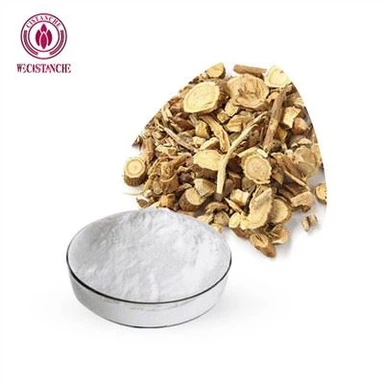
Cistanche contains a lot of effective ingredients, such as glycosides, flavonoids, alkaloids, and polysaccharides. The representative active ingredient of Cistanche is phenethyl alcohol and alfalfa. Studies have found that Cistanche glycosides are strong antioxidants. Cistanche glycosides have anti-myocardial ischemia effects.

Modern pharmacological studies have found that Cistanche has strong pharmacological effects, mainly as follows:
1. Anti-aging effect
Cistanche has a certain degree of anti-aging effect. Studies have shown that Cistanche can significantly increase the activity of superoxide dismutase (SOD) in mouse red blood cells, and significantly reduce the lipofuscin content of mouse myocardium. It can also extend the average lifespan, half-lethal days, and maximum lifespan of fruit flies. Gavage mice with Cistanche Decoction 8g/kg can significantly increase the Na+ and K+-ATPase activities of the red blood cell membrane, which may be one of the mechanisms of its tonic effect.

2. Adjust endocrine, promote metabolism and strengthen the role
Cistanche has a regulating effect on the decrease and increase of the nucleic acid content of the liver and spleen in animals with yang deficiency and yin deficiency; it has the effect of activating the adrenal glands and releasing corticosteroids. The mechanism of action may be to enhance the hypothalamus-pituitary-ovarian luteinizing function. This effect is not due to their direct stimulation of the secretion of pituitary luteinizing hormone, but to increase the pituitary's responsiveness to LRH and the ovarian's responsiveness to LH. It is suggested that the main significance of Chinese medicine for invigorating the kidney is to improve the regulatory mechanism in the body and play a positive therapeutic effect through the restoration of the body's own internal functions. Through the study of the effect of Cistanche on the DNA synthesis rate of animals with "Yang deficiency", it is found that hydroxyurea is due to its inhibition The reduction of nucleotides at the level of dephosphorylation leads to a decrease in the rate of DNA synthesis, and protein and energy metabolism disorders cause "Yang deficiency"; Cistanche may contain a biologically active factor that activates nucleotide reductase, which can significantly increase it "Yang deficiency" animal DNA synthesis rate promotes RNA synthesis; improves protein-nucleic acid metabolism; adding its dilute ethanol extract to drinking water to feed rats can promote growth and development.
3. The role of the immune system
Gavage mice with 50mg/kg and 100mg/kg of Cistanche water extract can significantly increase the weight of the spleen and thymus, and can obviously enhance the phagocytic ability of peritoneal macrophages, increase hemolysin and PFC value, and improve lymphocyte transformation The rate and delayed hypersensitivity index can also increase cAMP levels, reduce cGMP levels, and increase the ratio of cAMP/cGMP, which may be one of the reasons for its enhanced phagocytic function of peritoneal macrophages. Cistanche cistanche ethanol extract 1.25g/kg, 2.5g/kg (equivalent to crude drug 5.61g/kg, 11.21g/kg) gavage mice for 8 consecutive days, sensitized with sheep red blood cells on the 5th day, can significantly inhibit the spleen The number of plaques in the cell. Cistanche extract and epimedium total flavonoids have an additive effect on promoting lymphatic transfer in immunosuppressed mice and can enhance the immunity of model mice.

4. Promote DNA
Synthesis Oral administration of Cistanche decoction (0.5g/ml) 0.5ml/mouse can increase the synthesis of liver and spleen deoxyribonucleic acid in mice with "yang deficiency" caused by hydrocortisone acetate.
5. Other pharmacological effects
The water extract, ethanol-water extract, and ethanol extract of Cistanche deserticola have a hypotensive effect on anesthetized dogs, cats, and rabbits. Cistanche has the effect of promoting salivary secretion and respiratory paralysis in mice. The ingredient that promotes salivary secretion is an organic acid-like substance, and the ingredient of respiratory paralysis may be glycosides.

In addition to the above findings, in the study led by Wang Xiaowen on the protective effect of the Cistanche on brain ischemic injury in awake mice, it was also found that Cistanche has good protection against cerebral ischemia and brain injury caused by cerebral ischemia perfusion. When cerebral ischemia, the defense system is damaged, and at the same time, the generation of oxygen free radicals increases, which attacks biological membranes, causing lipid peroxidation to produce lipid peroxide malondialdehyde (MDA), which reduces membrane fluidity and causes cell degeneration, Function is impaired. The total glycosides in Cistanche have a good antioxidant effect, including anti-lipid peroxidation, scavenging superoxide anion, inhibiting and scavenging hydroxyl free radicals. The test results showed that the stroke index increased after cerebral ischemia in mice, and obvious infarcts appeared in the brain tissue, especially in the ischemic group; after 21 hours of ischemia, the activity of SOD, Se-GSH-PX, and the content of MDA in the brain tissue decreased Significantly increased. The total glycoside of cistanche can significantly improve the neurological symptoms of mice and reduce the scope of cerebral infarction. The neuroprotective effect of cistanche may be related to the increase of SOIXGCH-PX activity in brain tissues, reduction of MDA content, and inhibition of lipid peroxidation.