What Are The New Developments in Research On Uremic Pruritus?
May 15, 2023
Uremic pruritus (UP) is a common symptom in hemodialysis patients. Frequent and intense itching repeatedly afflicts patients, which not only significantly affects the quality of life of patients, but also leads to poor prognosis. Intense or generalized pruritus can lead to poor sleep quality, depression, decreased quality of life, and increased risk of infection and death in patients. However, the mechanism of UP has not been clarified, there is no standard treatment in China, and the current status of its diagnosis and treatment is not ideal. Here is an inventory of the new progress in research on the mechanism and treatment of UP, hoping to provide a reference for further research on the treatment of UP.

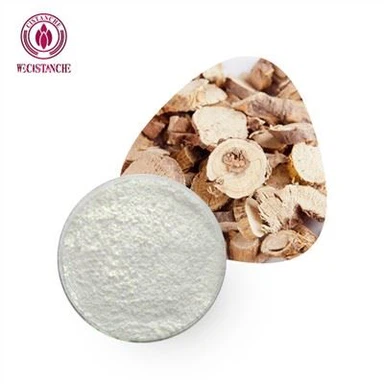
Click to cistanche tubulosa capsules kidney disease
Nafuraphine hydrochloride is safe and effective in the treatment of refractory UP
To evaluate the efficacy and safety of nalorphine hydrochloride in my country's refractory UP cohort, Professor Zhang Ping from the First Affiliated Hospital of Zhejiang University School of Medicine conducted a phase III multi-center bridging study in 22 regions of my country, and a total of 141 patients were enrolled. patient.
The study recruited hemodialysis patients who had been on stable dialysis for three months or more, three times a week on regular hemodialysis, and all patients had "existing treatment-resistant" pruritus, also known as refractory pruritus. 141 cases were randomly assigned (2:2:1) to receive orally 5 μg, 2.5 μg naftifine hydrochloride, or placebo in a double-blind manner for 14 days. The primary endpoint was the mean decrease from the baseline on the mean Visual Analog Scale (VAS).
The results showed that the average VAS reduction difference between the 5 μg nalorphine hydrochloride group and the placebo group was 11.37 mm; the average VAS reduction difference between the 2.5 μg and placebo groups was 8.81 mm, and the difference was not statistically significant. Both differences were greater than 4.13 mm, meeting the predefined success criteria. In addition, the incidence of adverse drug reactions was 49.1% in the 5 μg group, 38.6% in the 2.5 μg group, and 33.3% in the placebo group. Studies have shown that oral administration of nalbuphine hydrochloride can effectively relieve pruritus and reduce adverse drug reactions in patients with refractory pruritus.
The results of this randomized, double-blind, placebo-controlled multicenter bridging study showed that nalbuphine hydrochloride is effective in treating refractory UP in hemodialysis patients who meet the predefined criteria in my country, and its safety is consistent with that observed in previous studies. The security is consistent, and no new security problems have been found. Therefore, nalorphine hydrochloride is one of the most effective and safe treatment options for hemodialysis patients with pruritus in China.
Omega-3 fatty acids improve pruritus in hemodialysis patients
Professor Yaling Lin from Hongguang University of Science and Technology, et al. To clarify the effect of oral supplementation of omega-3 polyunsaturated fatty acids on circulating interleukin 6 (IL-6), cardiometabolic parameters, skin moisturizing, and subsequent itching symptoms in hemodialysis patients, A prospective cohort study was conducted.
The study included 45 patients aged 20-65 years with high severity of pruritus, receiving hemodialysis 3 times a week for more than 6 months, and blood urea nitrogen > 1.2. The subjects consumed 1000 mg of fish oil once a day for 3 months. Pruritus scores, skin moisture, plasma IL-6, and cardiometabolic parameters were measured at baseline and at the first, second, and third months after fish oil supplementation to assess clinical significance. Results showed that supplementation with omega-23 polyunsaturated fatty acids significantly reduced IL-3 levels but increased C-reactive protein levels. Cardiovascular risk assessment revealed significant reductions in total cholesterol, low-density lipoprotein, and triglyceride levels, and elevated high-density lipoprotein levels. In addition, plasma creatinine was significantly reduced, but only to a limited extent, and supplementation with omega-3 polyunsaturated fatty acids significantly improved skin hydration on the face and arms, as well as pruritus symptoms associated with chronic kidney disease.

This study shows that supplementation with omega-3 polyunsaturated fatty acids improves inflammation, renal function, cardiovascular parameters, dry skin, and consequent pruritus in hemodialysis patients. However, the number of patients in this study cohort was limited, and large-scale studies are still needed to demonstrate the therapeutic effect of omega-3 supplementation on pruritus in hemodialysis patients.
The team of Professor Tang Zongxiang and Professor Sheng Meixiao from the School of Medicine of Nanjing University of Traditional Chinese Medicine published an article entitled "Allantoin induces pruritus by activating MrgprD in chronic kidney disease", explaining the serum allantoin in UP patients and chronic kidney disease pruritus model mice Changes in allantoin-induced behavioral responses in mice, molecular targets of allantoin action and downstream signaling pathways that cause cellular responses.
The researchers found that serum from UP patients was able to induce intense itching behavior in mice, and allantoin levels were increased in the serum of UP patients and chronic kidney disease model mice. Later, through further research, it was found that allantoin can induce the scratching behavior of mice and active DRG neurons, and the molecular target of allantoin-MrgprD, and the related ion channel in the downstream signaling pathway of MrgprD is TRPV1. It was therefore concluded that allantoin plays an important role in UP mediated by MrgprD and TrpV1.

This discovery provides a new target for the clinical development of UP drugs and has important translational potential.
Correcting dryness can relieve UP
The clinical manifestations of UP patients are varied, and dryness is the most common dermatological manifestation, which is related to the intensity of pruritus. Appropriate topical treatment in patients with UP can correct xerosis, thereby reducing the intensity of pruritus and improving the patient's quality of life.
Summary
Currently, the effects of various conventional drug treatments are often unsatisfactory, especially for severe UP with few treatment options. Existing literature supports the use of drugs such as gabapentin as a treatment for CKD-aP, but significant adverse risks must be carefully informed and monitored. Pay attention to the research progress of UP, and look forward to the emergence of more drugs for the treatment of UP, which will bring more benefits to patients.
How does Cistanche extract treat kidney disease?
Cistanche extract is a natural plant-based supplement that has been used in traditional Chinese medicine for centuries to treat a variety of health conditions, including kidney disease. Here are some ways in which Cistanche extract may help in the treatment of kidney disease.
Anti-inflammatory properties
Cistanche extract has potent anti-inflammatory properties, which can help to reduce inflammation and oxidative stress in the kidneys. Inflammation is a major contributor to the development and progression of kidney disease, and reducing inflammation can help to slow down the progression of the disease.
Antioxidant properties
Cistanche extract is rich in phenylethanoid glycosides, which have strong antioxidant properties. Antioxidants help to neutralize harmful free radicals that can cause cellular damage and contribute to the development of kidney disease. By reducing oxidative stress, Cistanche extract may help to protect the kidneys from damage.
Immune system support
Cistanche extract has been shown to have immune system-supporting properties. It can stimulate the production of white blood cells, which are key components of the immune system. By boosting the immune system, Cistanche extract may help the body fight off infections and reduce the risk of further damage to the kidneys.
Diuretic properties
Cistanche extract has diuretic properties, which means that it can help to increase urine output. This can be helpful in the treatment of kidney disease, as it can help to reduce fluid buildup and swelling in the body.
Blood pressure regulation
Cistanche extract has been shown to help regulate blood pressure, which is important in the treatment of kidney disease. High blood pressure is a major risk factor for kidney disease, and controlling blood pressure can help to slow down the progression of the disease.
Kidney function improvement
Cistanche extract has been found to have a protective effect on the kidneys and may help to improve kidney function in people with kidney disease. In one study, Cistanche extract was found to improve kidney function and reduce proteinuria (excessive protein in the urine) in people with chronic kidney disease.

In conclusion, Cistanche extract may be helpful in the treatment of kidney disease due to its anti-inflammatory and antioxidant properties, immune system support, diuretic properties, blood pressure regulation, and kidney function improvement.
References:
[1] Zhang P, Xiang S, Liu B, et al. Randomized controlled trial of nalfurafine for refractory pruritus in hemodialysis patients. Ren Fail. 2023 Dec; 45 (1): 2175590.
[2] Lin, Y.L., Wang, C.L., Liu, K.L., Yeh, C.N., & Chiang, T.I. (2022). Omega-3 Fatty Acids Improve Chronic Kidney Disease-Associated Pruritus and Inflammation. Medicine (Kaunas, Lithuania), 58( 6), 796.
[3] Yang Y, Sun Y, Zhu C, et al. Allantoin induces pruritus by activating MrgprD in chronic kidney disease [published online ahead of print, 2023 Mar 6]. J Cell Physiol. 2023; 10.1002/jcp.30977.
[4] Krismi A, Danarti R, Setiabudi IIDPP, Wirohadidjojo YW. Chronic kidney disease-associated pruritus in patients undergoing hemodialysis: Xerosis and topical therapy [published online ahead of print, 2023 Feb 22]. Hemodial Int. 2023; 10.111 1/hdi .13071.