What Is The Impact Of SGLT2 Inhibitors On The Quality Of Life Of Patients With Heart Failure?
Sep 29, 2024
Sodium glucose co-transporter 2 (SGLT2) inhibitors are one of the cornerstones of heart failure treatment. Although the benefits of SGLT2 inhibitors in terms of heart failure hospitalization and mortality have been well established, their effects on quality of life (QoL) have not been systematically studied. A comprehensive systematic review and meta-analysis of randomized controlled trials (RCTs) recently published in European Heart Journal - Cardiovascular Pharmacotherapy answered the above questions.

Click to Cistanche for kidney disease
01 Research objectives and methods
This systematic review and meta-analysis aims to evaluate the effects of SGLT2 inhibitor therapy on the quality of life of patients with heart failure by analyzing data from randomized clinical trials. A total of 23 randomized controlled trials were included. These RCTs explored the effects of SGLT2 inhibitors on the quality of life (assessed using the Kansas City Cardiomyopathy Questionnaire Overall Score [KCCQ-OSS]) of heart failure patients with different left ventricular ejection fractions (LVEF) and were followed up for at least 3 months. The outcome measure was the difference in the mean change in KCCQ-OSS between the SGLT2 inhibitor group and the standard care (SOC) group at 3 and 6 months after baseline.
02 Results
A total of 21,737 patients from 14 randomized controlled trials were included in the analysis. Significant improvements in KCCQ-OSS over time were observed in both the SGLT2 inhibitor and standard therapy groups (p<0.001). Compared with the standard therapy group, the mean change in KCCQ-OSS at 3 months in the SGLT2 inhibitor group was significantly improved by 1.94 points (95%CI, 1.41-2.46), and the mean change in KCCQ-OSS at 6 months was significantly improved by 2.18 points (95%CI, 1.13-3.24), which was independent of LVEF.

Patients with recent worsening of heart failure had greater improvements in KCCQ-OSS compared with patients with chronic stable heart failure.
03 Conclusions
In patients with heart failure, the addition of SGLT2 inhibitors to standard therapy showed significant improvements in quality of life as early as 3 months of follow-up, regardless of left ventricular ejection fraction and clinical status.
How Does Cistanche Treat Kidney Disease?
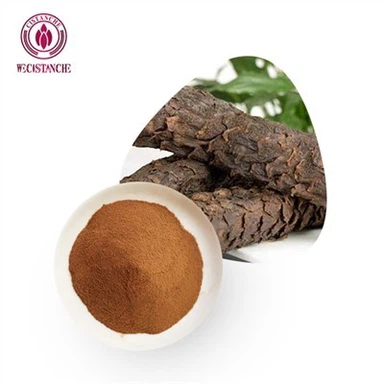
Cistanche is a traditional Chinese herbal medicine used for centuries to treat various health conditions, including kidney disease. It is derived from the dried stems of Cistanche deserticola, a plant native to the deserts of China and Mongolia. The main active components of cistanche are phenylethanoid glycosides, echinacoside, and acteoside, which have been found to have beneficial effects on kidney health.
Kidney disease, also known as renal disease, refers to a condition in which the kidneys are not functioning properly. This can result in a buildup of waste products and toxins in the body, leading to various symptoms and complications. Cistanche may help treat kidney disease ase through several mechanisms.

Firstly, cistanche has been found to have diuretic properties, meaning it can increase urine production and help eliminate waste products from the body. This can help relieve the burden on the kidneys and prevent the buildup of toxins. By promoting diuresis, cistanche may also help Reduce high blood pressure, a common complication of kidney disease.
Moreover, cistanche has been shown to have antioxidant effects. Oxidative stress, caused by an imbalance between the production of free radicals and the body's antioxidant defenses, plays a key role in the progression of kidney disease. ies help neutralize free radicals and reduce Oxidative stress, thereby protecting the kidneys from damage. The phenylethanoid glycosides found in cistanche have been particularly effective in scavenging free radicals and inhibiting lipid peroxidation.
Additionally, cistanche has been found to have anti-inflammatory effects. Inflammation is another key factor in the development and progression of kidney disease. Cistanche's anti-inflammatory properties help reduce the production of pro-inflammatory cytokines and inhibit the activation of mandatory pathways for inflammation, thus alleviating inflammation in the kidneys.

Furthermore, cistanche has been shown to have immunomodulatory effects. In kidney disease, the immune system can be dysregulated, leading to excessive inflammation and tissue damage. Cistanche helps regulate the immune response by modulating the production and activity of immune cells, such as T cells and macrophages. This immune regulation helps reduce inflammation and prevent further damage to the kidneys.
Moreover, cistanche has been found to improve renal function by promoting the regeneration of renal tubes with cells. Renal tubular epithelial cells play a crucial role in the filtration and reabsorption of waste products and electrolytes. In kidney disease, these cells can be damaged, leading to damaged renal function. Cistanche's ability to promote the regeneration of these cells helps restore proper renal function and improve overall kidney health.
In addition to these direct effects on the kidneys, cistanche has been found to have beneficial effects on other organs and systems in the body. This holistic approach to health is particularly important in kidney disease, as the condition often affects multiple organs and systems. che has been shown to have protective effects on the liver, heart, and blood vessels, which are commonly affected by kidney disease. By promoting the health of these organs, cistanche helps improve overall kidney function and prevent further complications.
In conclusion, cistanche is a traditional Chinese herbal medicine used for centuries to treat kidney disease. Its active components have diuretic, antioxidant, anti-inflammatory, immunomodulatory, and regenerative effects, which help improve renal function and protect the kidneys from further damage. , cistanche has beneficial effects on other organs and systems, making it a holistic approach to treating kidney disease.