What Sequelae Will The Covid Leave?
Nov 23, 2022
Since the outbreak of Omicron, it has been two years since the first batch of infected people were cured. With the gradual stabilization of the epidemic and the continuous mutation of Covid-19, the symptoms of infected people are also changing. The number of severe cases is decreasing, and most of them are mild and asymptomatic. Even so, people's doubts and concerns about the aftermath of the Omicron have not diminished. Some cities have also opened Omicron rehabilitation clinics one after another. For example, since the Yueyang Hospital of Integrated Traditional Chinese and Western Medicine affiliated with the Shanghai University of Traditional Chinese Medicine opened an online Omicron rehabilitation clinic in mid-April, more than 100 patients have been treated, and almost every patient has different degrees of illness. discomfort. This also means that after the cure, another recovery "battle" begins.

Recently, Chinese scholars published a study in "The Lancet Respiratory Medicine" and found that 2 years after the Omicron, 55% of hospitalized patients were still plagued by sequelae, including fatigue, fatigue, dyspnea and sleep difficulties. According to many studies, for those who have recovered from the Omicron, the above symptoms do not appear out of thin air, but the manifestations of damage to the lungs, brain, heart, and even liver and kidneys.
Pulmonary Fibrosis. The respiratory system is the key target of Covid-19, and sequelae of respiratory symptoms such as shortness of breath and chest tightness are not uncommon. A follow-up visit in my country found that 6 months after being infected with the Omicron, half of the patients showed at least one abnormality in their chest reports, most of which were ground-glass opaque. Severely ill and hospitalized patients are more prone to respiratory-related sequelae after discharge, and even scarring due to excessive lung repair, leaving irreversible pulmonary fibrosis, resulting in decreased gas exchange capacity.
The brain shrinks. In addition to attacking the lungs, Covid-19 also kills brain cells. A study published in the "Journal of the American Medical Association" showed that after being infected with the Omicron, the average time for patients to experience "brain fog" (memory loss, confusion, etc.) was as long as 8 months, and nearly 1/4 of them had memory problems. A study published by Oxford University found that Covid-19 can cause an average brain shrinkage of 0.2% to 2%, which is equivalent to aging 1 to 10 years earlier. It is also accompanied by partial damage to the olfactory cortex and a decrease in cortical thickness, causing headaches and inattention. , Loss of smell and taste, etc., even mild patients are no exception.

Palpitations and chest pains. The "immune storm" caused by Covid-19 in the body can directly damage myocardial cells, form scars, lead to myocardial fibrosis, and induce arrhythmia, tachycardia, and even heart disease. Among those who recovered from the Omicron, those who still had symptoms of palpitations and chest pain after two years accounted for 11% and 7%, respectively, far exceeding those who were not infected. A study published in the journal Nature Medicine showed that one in eight hospitalized patients in the UK between May 2020 and March 2022 was later diagnosed with myocarditis.
blood clots or bleeding. COVID-19 is a risk factor for deep vein thrombosis, pulmonary embolism, and hemorrhage. A survey of more than 1 million infected people found that after infection, the risk of deep vein thrombosis can increase by up to 5 times, the risk of pulmonary embolism can increase by 33 times, and the risk of general bleeding events can increase by nearly 2 times. Even mild patients had a 3-fold increased risk of deep vein thrombosis and a 7-fold increased risk of pulmonary embolism.
Renal function decreased by 30%. The kidney is one of the target organs attacked by Covid-19. A study published in the "Clinical Journal of the American Society of Nephrology" found that after being infected with the Covid-19, 32% of hospitalized patients developed acute kidney injury, and nearly half of them failed to fully recover their renal function when they were discharged from the hospital, and may even continue to decline; infected 6 Within a month, the risk of suffering from kidney disease increases by 35%, and the risk of kidney function decline by 30% increases by 25%.

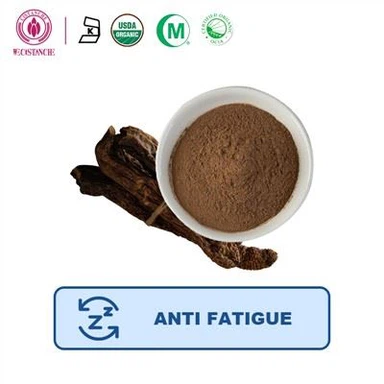
Click here to know how cistanche relief symptoms of Covid sequelae
Liver damage. In addition to the direct damage to the liver caused by the virus, the lack of oxygen caused by the damage to the lungs can also cause continuous damage. Case Western Reserve University in the United States collected data on nearly 800,000 infected children and found that compared with children with other respiratory diseases, children under the age of 10 who were infected with the Omicron had more than twice the risk of liver damage. Recently, unexplained severe acute hepatitis in children in many countries may be related to the superantigen caused by Covid-19.
Erectile dysfunction. A study by University College London in the United Kingdom showed that about 5% of adult men infected with Covid-19 experienced a decrease in testicular and penis volume, and 15% reported erectile dysfunction.
Increased risk of diabetes. A study published in "The Lancet Diabetes and Endocrinology" shows that the risk of diabetes in people who have recovered from the Omicron is 40% higher than that of uninfected people; if there are risk factors such as obesity and metabolic syndrome, the Omicron virus can accelerate the progression of diabetes Development occurs.
In addition to organ damage, those who recovered from Omicron also faced troubles such as hair loss, rashes, and sleep disturbances. Nearly one-third of them experienced depression, anxiety, and other negative emotions within half a year of infection. A study in the journal "Nature" found that there are more than 50 sequelae of Omicron. But for now, the damage of Covid-19 to the human body may be greater than the known results, and the sequelae may be far from this number.
Li Tong, deputy director of the Department of Infectious Diseases at Beijing You'an Hospital Affiliated to Capital Medical University, once said that generally speaking, the older the patient and the more serious the condition, the higher the chance of developing COVID-19 sequelae and the longer the duration. However, most sequelae resolve over time, and the less severe the infection, the greater the likelihood of a full recovery. The British National Bureau of Statistics recently published an article pointing out that revaccination of the Omicron vaccine after infection can reduce the incidence of long-term Omicron syndrome by 8.8%. Therefore, in addition to daily protection, vaccination is still the top priority of epidemic prevention.

Although the pathogenicity of the Omicron mutant strains is now declining, and the risk of sequelae is also reduced, as the virus spreads faster and faster, sufficient data are needed to confirm the pathogenicity and possible sequelae of different groups of people. At present, the global epidemic is still at a high level, and the "dynamic zeroing" policy is still the "best choice", especially for the elderly, people with basic diseases, and children with a large base in my country, once the control is relaxed, they may face large-scale outbreaks Crowd infection, a large number of severe cases, death cases and huge recovery needs make it difficult for medical resources to cope. Therefore, everyone must strictly abide by the epidemic prevention policy, wear masks, wash hands frequently, and get vaccinated throughout the process.