What Should Hemodialysis Nephropathy Patients Do If They Encounter Itchy Skin?
Mar 11, 2024
Itchy skin is a common problem that many hemodialysis patients encounter in their daily lives. This discomfort not only affects the patient's quality of life but may also hurt the effectiveness of dialysis treatment. So, what should hemodialysis patients do when they encounter itchy skin?

Click on Cistanche for kidney disease
1. Understand the causes of itchy skin
Before we explore solutions, we first need to understand the cause of itchy skin. Hemodialysis patients may have itchy skin for many reasons, such as dry skin, insufficient dialysis, allergic reactions, drug side effects, etc. Only by clarifying the reasons can we take targeted measures.
2. Keep skin clean and moist
Dry skin is one of the common causes of itchy skin among hemodialysis patients. Therefore, it is important to keep your skin clean and moisturized. It is recommended that people with kidney disease take a bath every day, use mild cleansing products, and avoid using shower gels or soaps containing irritating ingredients. After bathing, apply moisturizing lotion promptly to lock in skin moisture and relieve dryness.
3. Adjust the dialysis plan
Inadequate dialysis may also cause itchy skin. If your skin itching symptoms continue to be severe, it is recommended to consult a doctor in time to adjust the dialysis plan. Your doctor may adjust the frequency, time, or method of dialysis based on your specific situation to improve the effect of dialysis and relieve skin itching.
4. Avoid allergens
Allergic reactions are also a common cause of itchy skin. Hemodialysis patients should pay attention to avoid contact with allergens in daily life, such as certain foods, drugs, cosmetics, etc. If you are unsure of the allergen, you can conduct an allergen test so that you can avoid it in a targeted manner.
5. Drug treatment
In cases where itchy skin seriously affects your quality of life, your doctor may prescribe medications to relieve symptoms. Common medications include antihistamines, topical antipruritic drugs, etc. However, please note that drug treatment should be carried out under the guidance of a doctor to avoid adverse reactions caused by self-medication.

6. Lifestyle adjustment
Diet adjustment: Hemodialysis patients should maintain a balanced diet and consume more foods rich in antioxidants such as vitamins A, C, and E, such as fresh fruits and vegetables, nuts, etc. These foods can help improve dry skin and relieve itching symptoms. At the same time, avoid overeating spicy and irritating food to avoid aggravating skin discomfort.
Wear comfort: Choose breathable, soft clothing and avoid wearing chemical fiber materials or clothing that is too tight to reduce skin friction and irritation.
Maintain indoor humidity: Hemodialysis patients can place a humidifier indoors to maintain moderate air humidity, which can help relieve dry skin and itching.
Avoid prolonged exposure to the sun: UV rays from the sun can cause dry and itchy skin. Therefore, hemodialysis patients should take sun protection measures when going out, such as applying sunscreen and wearing a hat.
7. Psychological adjustment
Itchy skin not only affects physical health but may also have a negative psychological impact. Hemodialysis patients should maintain a positive attitude and learn to self-regulate and relax. You can try relaxing activities such as deep breathing, meditation, and yoga to relieve anxiety and stress, thereby alleviating the symptoms of itchy skin.
8. Seek professional help
Suppose the symptoms of skin itching persist and are severe, and self-adjustment of lifestyle and drug treatment are ineffective. In that case, it is recommended that hemodialysis patients seek help from a professional doctor promptly. The doctor will develop a personalized treatment plan based on your specific situation to help you solve your itchy skin problem.

In short, hemodialysis patients should maintain a positive attitude when facing itchy skin, approach multiple aspects, and take comprehensive measures to relieve symptoms. By keeping your skin clean and moist, adjusting your dialysis regimen, and avoiding allergens, medication, lifestyle adjustments, and psychological adjustments, I believe you can overcome this difficulty and regain the comfort and happiness of life. At the same time, please pay attention to your physical condition, conduct regular examinations and consultations, and work with your doctor to develop a treatment plan that is most suitable for you.
How Does Cistanche Treat Kidney Disease?
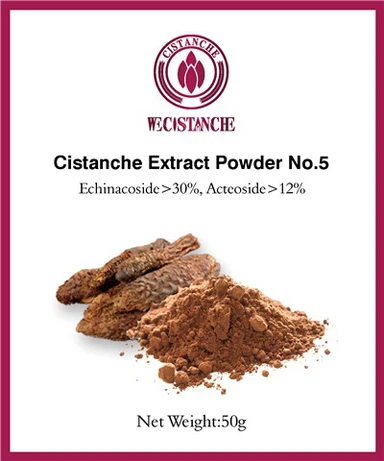
Cistanche is a traditional Chinese herbal medicine used for centuries to treat various health conditions, including kidney disease. It is derived from the dried stems of Cistanche deserticola, a plant native to the deserts of China and Mongolia. The main active components of cistanche are phenylethanoid glycosides, echinacoside, and acteoside, which have been found to have beneficial effects on kidney health.
Kidney disease, also known as renal disease, refers to a condition in which the kidneys are not functioning properly. This can result in a buildup of waste products and toxins in the body, leading to various symptoms and complications. Cistanche may help treat kidney disease ase through several mechanisms.
Firstly, cistanche has been found to have diuretic properties, meaning it can increase urine production and help eliminate waste products from the body. This can help relieve the burden on the kidneys and prevent the buildup of toxins. By promoting diuresis, cistanche may also help Reduce high blood pressure, a common complication of kidney disease.
Moreover, cistanche has been shown to have antioxidant effects. Oxidative stress, caused by an imbalance between the production of free radicals and the body's antioxidant defenses, plays a key role in the progression of kidney disease. ies help neutralize free radicals and reduce Oxidative stress, thereby protecting the kidneys from damage. The phenylethanoid glycosides found in cistanche have been particularly effective in scavenging free radicals and inhibiting lipid peroxidation.
Additionally, cistanche has been found to have anti-inflammatory effects. Inflammation is another key factor in the development and progression of kidney disease. Cistanche's anti-inflammatory properties help reduce the production of pro-inflammatory cytokines and inhibit the activation of inflammation mandatory pathways, thus alleviating inflammation in the kidneys.
Furthermore, cistanche has been shown to have immunomodulatory effects. In kidney disease, the immune system can be dysregulated, leading to excessive inflammation and tissue damage. Cistanche helps regulate the immune response by modulating the production and activity of immune cells, such as T cells and macrophages. This immune regulation helps reduce inflammation and prevent further damage to the kidneys.

Moreover, cistanche has been found to improve renal function by promoting the regeneration of renal tubes with cells. Renal tubular epithelial cells play a crucial role in the filtration and reabsorption of waste products and electrolytes. In kidney disease, these cells can be damaged, leading to damaged renal function. Cistanche's ability to promote the regeneration of these cells helps restore proper renal function and improve overall kidney health.
In addition to these direct effects on the kidneys, cistanche has been found to have beneficial effects on other organs and systems in the body. This holistic approach to health is particularly important in kidney disease, as the condition often affects multiple organs and systems. che has been shown to have protective effects on the liver, heart, and blood vessels, which are commonly affected by kidney disease. By promoting the health of these organs, cistanche helps improve overall kidney function and prevent further complications.
In conclusion, cistanche is a traditional Chinese herbal medicine used for centuries to treat kidney disease. Its active components have diuretic, antioxidant, anti-inflammatory, immunomodulatory, and regenerative effects, which help improve renal function and protect the kidneys from further damage. Cistanche benefits other organs and systems, making it a holistic approach to treating kidney disease.