What Should We Do If Kidney Patients Suffer From Malnutrition?
Sep 24, 2024
Nutritional intervention plays an important role in the treatment of chronic kidney disease (CKD). In fact, nutritional management is an important intervention target for most consumptive or chronic diseases.
For CKD patients, good nutritional management can not only delay the progression of renal failure and improve cardiovascular and metabolic risk factors, but also reduce the risk of other and nutrition-related complications [1].

Click to Cistanche for kidney disease
Therefore, many balances, including calories, protein, potassium, phosphorus, calcium, sodium and fluid intake, are the long-term goals pursued by CKD patients.
Even in the treatment of some hospitalized CKD patients, "milk tea" can be seen, which is actually some commonly used enteral nutrition solution. For CKD patients, the most common malnutrition pattern is protein energy malnutrition (PEM).
Many people have a stereotype about kidney disease diet: Shouldn't CKD patients reduce protein intake? The connotation and extension of this definition actually need to be clarified, especially for CKD patients and their families. At the same time, how should CKD malnutrition with the focus on PEM correction be correctly intervened?
Let's answer these questions step by step.
Why do CKD patients lack protein?
On the one hand, due to aging, lack of exercise, metabolic and hormonal disorders, CKD patients have increased protein catabolism and reduced synthesis, leading to protein metabolism imbalance [2], which causes malnutrition and even cachexia.
The specific causes of this imbalance include but are not limited to loss of appetite, low energy intake, inflammation, insulin resistance, and dialysis effects.
On the other hand, CKD patients usually have many other complications, such as diabetes and cardiovascular disease, which require CKD patients to control their diet, which may cause CKD patients to have conceptual confusion and fail to implement medical advice.
More importantly, the diet plan also needs to consider the adequacy of other nutrients, such as probiotics and antioxidants. This consideration itself requires professional knowledge, and for many CKD patients, their daily diet may change dramatically, and the compliance with the diet plan may not be high.

Studies have shown that only 31.5% and 68.5% of CKD patients can comply with the prescribed diet and fluid plan [3]. In addition, food safety issues caused by "technology and hard work" have also brought great challenges to CKD patients, especially for patients with low socioeconomic backgrounds, who may lack good dietary conditions and therefore find it difficult to follow dietary recommendations.
Due to the characteristics of CKD itself, it may also cause the kidneys to continuously lose protein. Combined with the above factors, PEW has become the core issue of malnutrition in CKD patients.
How should protein insufficiency in CKD patients be intervened?
The "Guidelines for Early Evaluation and Management of Chronic Kidney Disease in China" [4] recommends the following:
Regardless of whether they have diabetes, patients with CKD stages 1 to 2 should avoid a high-protein diet, with a protein intake of 0.8 to 1.0 g·kg-1·d-1;
For non-dialysis patients with CKD stages 3 to 5 who are metabolically stable, limit dietary protein intake to reduce the risk of end-stage renal disease (ESRD) and death;
Appropriately increase the proportion of plant protein intake.
It can be seen that the more protein supplemented, the better. Protein in food is digested, absorbed, and metabolized by the human body to produce nitrogen metabolites, which are excreted through the kidneys. The more protein you consume, the more nitrogen you excrete in the urine, which increases the burden on your kidneys.
Therefore, for CKD patients who have not entered ESRD, consuming too much protein will increase the burden on your kidneys, which is why there is the stereotype mentioned above that reducing protein intake is an important measure to reduce the burden on your kidneys.
The 2021 KDIGO Guidelines for Blood Pressure Management in CKD Patients Not Receiving Dialysis[5] and the 2020 KDOQI Guidelines for CKD Nutrition Clinical Practice[6] both recommend that CKD patients limit their dietary protein intake to reduce the risk of ESRD and death and improve their quality of life.
Studies have shown[7] that a low-protein diet can reduce the risk of renal failure, as well as blood phosphorus concentration and body mass index. Other studies have shown that conservative management of CKD patients with a low-protein diet reduced the risk of progression to ESRD by 4% and the risk of all-cause mortality by 1% compared with a high-protein diet group[8].
It should be noted that when patients enter ESRD, their protein intake management will also change due to the treatment model[9].
Summary
Correction of malnutrition in CKD patients is very important. Reasonable nutritional support can delay the progression of the disease and improve the quality of life of patients. Protein management is the key to nutritional management of CKD patients.
With renal failure, the excretion of protein metabolites decreases. If protein intake is too high, renal damage will be aggravated. However, limiting protein intake may lead to protein malnutrition.

Therefore, the protein intake of CKD patients should be adjusted according to renal function. At the same time, attention should be paid to the quality of dietary protein, eating high-quality protein, such as high biological value protein from fish, poultry and egg and dairy products, and reducing the intake of red meat and processed meat products.
In addition, CKD patients also need to pay attention to total calorie intake to prevent the occurrence of wasting diseases. Supplement water-soluble vitamin B group and vitamin C, limit the intake of electrolytes such as sodium, potassium, and phosphorus, and appropriate parenteral or enteral nutritional support can provide support for patients with severe CKD.
Reasonable nutritional support can help CKD patients obtain sufficient protein and calories, delay the progression of renal failure, and is of great significance to the improvement of prognosis. It is also very necessary to regularly evaluate the nutritional status of patients and adjust diet and nutritional plans in a timely manner.
How Does Cistanche Treat Kidney Disease?
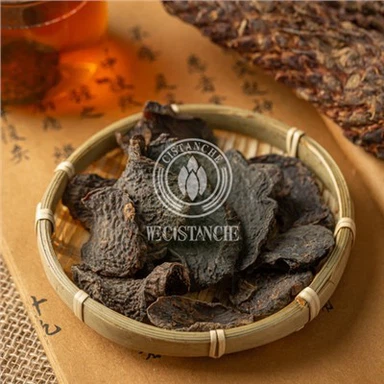
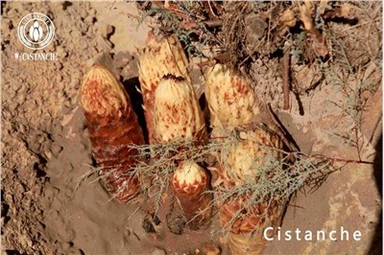
Cistanche is a traditional Chinese herbal medicine used for centuries to treat various health conditions, including kidney disease. It is derived from the dried stems of Cistanche deserticola, a plant native to the deserts of China and Mongolia. The main active components of cistanche are phenylethanoid glycosides, echinacoside, and acteoside, which have been found to have beneficial effects on kidney health.
Kidney disease, also known as renal disease, refers to a condition in which the kidneys are not functioning properly. This can result in a buildup of waste products and toxins in the body, leading to various symptoms and complications. Cistanche may help treat kidney disease ase through several mechanisms.
Firstly, cistanche has been found to have diuretic properties, meaning it can increase urine production and help eliminate waste products from the body. This can help relieve the burden on the kidneys and prevent the buildup of toxins. By promoting diuresis, cistanche may also help Reduce high blood pressure, a common complication of kidney disease.
Moreover, cistanche has been shown to have antioxidant effects. Oxidative stress, caused by an imbalance between the production of free radicals and the body's antioxidant defenses, plays a key role in the progression of kidney disease. ies help neutralize free radicals and reduce Oxidative stress, thereby protecting the kidneys from damage. The phenylethanoid glycosides found in cistanche have been particularly effective in scavenging free radicals and inhibiting lipid peroxidation.
Additionally, cistanche has been found to have anti-inflammatory effects. Inflammation is another key factor in the development and progression of kidney disease. Cistanche's anti-inflammatory properties help reduce the production of pro-inflammatory cytokines and inhibit the activation of inflammation mandatory pathways, thus alleviating inflammation in the kidneys.
Furthermore, cistanche has been shown to have immunomodulatory effects. In kidney disease, the immune system can be dysregulated, leading to excessive inflammation and tissue damage. Cistanche helps regulate the immune response by modulating the production and activity of immune cells, such as T cells and macrophages. This immune regulation helps reduce inflammation and prevent further damage to the kidneys.

Moreover, cistanche has been found to improve renal function by promoting the regeneration of renal tubes with cells. Renal tubular epithelial cells play a crucial role in the filtration and reabsorption of waste products and electrolytes. In kidney disease, these cells can be damaged, leading to damaged renal function. Cistanche's ability to promote the regeneration of these cells helps restore proper renal function and improve overall kidney health.
In addition to these direct effects on the kidneys, cistanche has been found to have beneficial effects on other organs and systems in the body. This holistic approach to health is particularly important in kidney disease, as the condition often affects multiple organs and systems. che has been shown to have protective effects on the liver, heart, and blood vessels, which are commonly affected by kidney disease. By promoting the health of these organs, cistanche helps improve overall kidney function and prevent further complications.
In conclusion, cistanche is a traditional Chinese herbal medicine used for centuries to treat kidney disease. Its active components have diuretic, antioxidant, anti-inflammatory, immunomodulatory, and regenerative effects, which help improve renal function and protect the kidneys from further damage. , cistanche has beneficial effects on other organs and systems, making it a holistic approach to treating kidney disease.