What Should We Do If Psychiatric Patients Suffer From Constipation?
Oct 23, 2023
According to statistics, the prevalence of chronic constipation in Chinese adults is 4% to 6%, and constipation is more common among patients with mental illness. Often accompanied by anxiety, irritability, and other negative emotions. Some patients have cognitive impairment and are unable to accurately describe their condition, and may even suspect a disease attack, which delays timely treatment of constipation. Why do patients with mental illness often suffer from constipation? How to relieve constipation? Zhaocheng psychiatrist has the answer for you.

Why are people with mental illness more constipated?
Some antipsychotic drugs have a sedative effect, causing drowsiness fatigue, and other symptoms, leading to constipation. If the patient takes the drug and lacks exercise, has a monotonous diet, does not like to eat vegetables, fruits, and other foods with high fiber content, and has less intestinal peristalsis, it will be even more serious. Constipation may occur.
Affected by the disease, some patients with mental illness have reduced living ability, lack of insight, reduced self-care ability, difficulty in maintaining daily activities such as bathing and housework, and poor defecation habits; some elderly patients have reduced basal metabolic rate and intestinal peristalsis. Slowing down can make constipation more likely to occur. In outpatient clinics, it often happens that when family members bring patients to see a doctor, they discover that the patient only has a bowel movement once a week. Therefore, family members should pay close attention to the patient's condition and inform the doctor in time.

Families of patients may also be confused about the criteria for judging constipation. Some people think that not having a bowel movement every other day is constipation, while others think that eating more and defecating less is constipation. In this regard, Dr. Zhaocheng said that it is necessary to make a comprehensive judgment based on the frequency of defecation, stool characteristics, difficulty in defecation, bowel intention, accompanying symptoms, etc. If the patient often has difficulty defecating, dry and hard stool, a feeling of anal blockage during defecation, and incomplete stool If you feel uncomfortable or even need manual help with defecation, you need to pay attention to defecation and seek professional guidance and treatment.
How to effectively relieve constipation?
Patients can adjust their diet structure and exercise methods according to their conditions, such as increasing dietary fiber and water intake, exercising reasonably, choosing jogging, walking, and other methods to promote gastrointestinal peristalsis, and developing good defecation habits.
Appropriate physical activity has certain effects on relieving constipation. Create a ward environment that is conducive to patients' exercise, encourage patients to participate in work, entertainment, cultural activities, and sports organized by the ward, and combine indoor activities with outdoor activities. Bedridden patients can engage in bed activities, such as encouraging patients to do abdominal breathing exercises, turning over frequently, lying on their backs and raising their legs, raising their buttocks, and other activities to enhance the movement of abdominal muscles and pelvic floor muscles, increase intestinal peristalsis and muscle tension, and promote Defecation.
Establish normal defecation habits: guide patients to develop regular defecation habits every day, especially for patients with mental decline, patients with thinking disorders, and patients who cannot take care of themselves. Supervise their defecation and gradually develop good defecation habits. The ideal defecation time is after a meal (the best is after breakfast because it is easy to cause a gastrocolic reflex after breakfast). Fixed at this time every day to urge defecation, but it is not advisable to use laxatives and enemas casually.

Reasonably arrange diet, urge patients to increase drinking water, and eat more fruits and vegetables. If the condition allows, drink 2000 ml of water every day to maintain sufficient water in the gastrointestinal tract and soften stool. Depending on the patient's physical condition, appropriate consumption of fatty foods or honey can lubricate the intestines and facilitate the discharge of feces.
Natural Herbal Medicine For Relieving Constipation-Cistanche
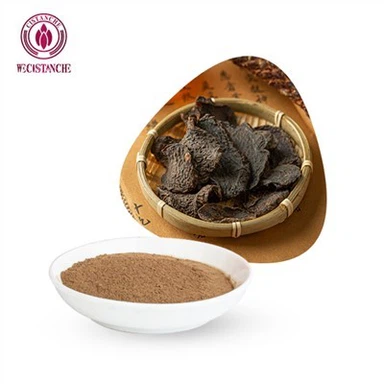
Cistanche is a genus of parasitic plants that belongs to the family Orobanchaceae. These plants are known for their medicinal properties and have been used in Traditional Chinese Medicine (TCM) for centuries. Cistanche species are predominantly found in arid and desert regions of China, Mongolia, and other parts of Central Asia. Cistanche plants are characterized by their fleshy, yellowish stems and are highly valued for their potential health benefits. In TCM, Cistanche is believed to have tonic properties and is commonly used to nourish the kidney, enhance vitality, and support sexual function. It is also used to address issues related to aging, fatigue, and overall well-being. While Cistanche has a long history of use in traditional medicine, scientific research on its efficacy and safety is ongoing and limited. However, it is known to contain various bioactive compounds such as phenylethanoid glycosides, iridoids, lignans, and polysaccharides, which may contribute to its medicinal effects.

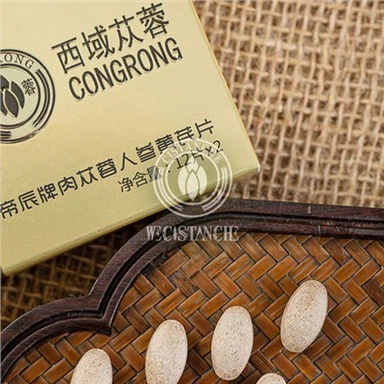
Wecistanche's cistanche powder, cistanche tablets, cistanche capsules, and other products are developed using desert cistanche as raw materials, all of which have a good effect on relieving constipation. The specific mechanism is as follows: Cistanche is believed to have potential benefits for relieving constipation based on its traditional use and certain compounds it contains. While scientific research specifically on Cistanche's effect on constipation is limited, it is thought to have multiple mechanisms that may contribute to its potential to relieve constipation. Laxative Effect: Cistanche has long been used in Traditional Chinese Medicine as a remedy for constipation. It is believed to have a mild laxative effect, which can help promote bowel movements and induce constipation. This effect may be attributed to various compounds found in Cistanche, such as phenylethanoid glycosides and polysaccharides. Moistening the Intestines: Based on traditional use, Cistanche is considered to have moisturizing properties, specifically targeting the Intestines. Promoting hydration and lubrication of the Intestines, may help soften tools and facilitate easier passage, thereby relieving constipation. Anti-inflammatory Effect: Constipation can sometimes be associated with inflammation in the digestive tract. Cistanche contains certain compounds, including phenylethanoid glycosides and lignans, that are believed to have anti-inflammatory properties. By reducing inflammation in the intestines, it may help improve bowel movement regularity and relieve constipation.