What To Do If Dietary Changes Cause Constipation? What Foods Can You Eat To Relieve Constipation?
Oct 18, 2023
Constipation is a very common digestive system disease in life. It will have many adverse effects on health. It is necessary to make timely adjustments to avoid causing greater harm to health. So what should we do if dietary changes cause constipation? What foods can you eat to relieve constipation? There are many ways to treat constipation. Let’s learn more about the specific conditions below.

1. Solutions to relieve constipation
1. Drink more water:
It is very possible to neglect drinking water while traveling, so be sure to drink more water when you get home;
2. Eat regularly:
Difficulty in defecation is also related to irregular eating and eating less during the journey. Regular eating after returning home can help the stool return to normal;
3. Eat more fruits and vegetables:
Eat more fruits, vegetables, and mushrooms, such as dragon fruit, kiwi fruit, citrus, various green leafy vegetables, beans, and vegetables;
Using various whole grains and potatoes as staple food instead of refined white rice and flour during meals will also help with defecation;
Proper exercise can also promote intestinal peristalsis and help defecation;
4. Professional treatment with medical methods:
If dry stools and difficulty in defecation persist, you can use laxative drugs such as Kaiselu, and go to the hospital if necessary.

2. What are the dangers of constipation?
1. Impact on beauty: Patients with constipation have feces that stay in the intestines for a long time and ferment abnormally. After putrefaction, a large amount of harmful toxins can be produced, which can easily lead to acne, facial pigmentation, rashes, etc.
2. Lead to obesity: Toxins cause large intestine edema, slow down blood circulation in the lower body, and easily form a pear-shaped figure and a fat belly.
3. Produce body odor: The accumulation of toxins can cause bad breath and body odor.
4. Tasteless food: Constipation can make the abdomen full, causing nausea, anorexia, and tasteless food.
5. Neurasthenia: Constipation patients may have symptoms such as irritability, restlessness, and insomnia.
6. Cause dysmenorrhea: Patients with chronic constipation can often cause dysmenorrhea due to long-term pelvic muscle stimulation.
7. Decreased desire: Patients with long-term constipation may have decreased desire, leading to impotence and premature ejaculation in men, frigidity or lack of orgasm in women, and a decrease in the quality of sexual life.

8. Complicated diseases: Constipation patients may be complicated by anorectal diseases, such as hemorrhoids, anal fissures, rectal prolapse, and colonic diverticula. In addition, they are also prone to allergic diseases such as urticaria and asthma, as well as many diseases such as gallstones, headaches, and shoulder coagulation syndrome.
9. Cause sudden death: Especially for patients with cardiovascular diseases such as hypertension and coronary heart disease, severe constipation, and anal irritation can cause blood pressure to rise sharply, causing stroke or even sudden death.
10. Induce cancer: In addition, it can also induce breast cancer: Harmful toxins in constipated patients continue to stimulate the intestinal mucosa, which can easily lead to colorectal cancer. In addition, it can also induce breast cancer.
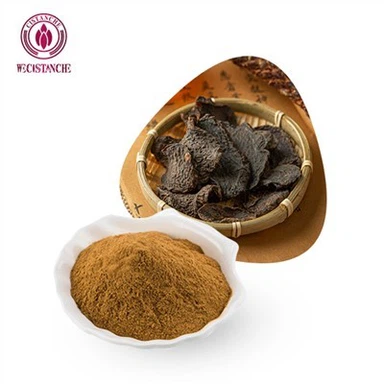
Natural Herbal Medicine For Relieving Constipation-Cistanche
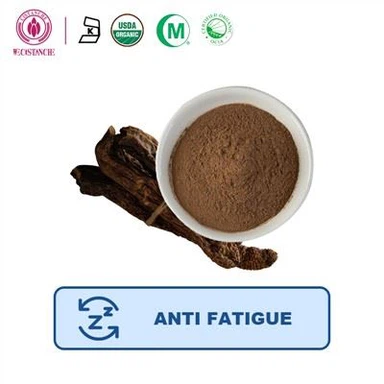
Cistanche is a genus of parasitic plants that belongs to the family Orobanchaceae. These plants are known for their medicinal properties and have been used in Traditional Chinese Medicine (TCM) for centuries. Cistanche species are predominantly found in arid and desert regions of China, Mongolia, and other parts of Central Asia. Cistanche plants are characterized by their fleshy, yellowish stems and are highly valued for their potential health benefits. In TCM, Cistanche is believed to have tonic properties and is commonly used to nourish the kidney, enhance vitality, and support sexual function. It is also used to address issues related to aging, fatigue, and overall well-being. While Cistanche has a long history of use in traditional medicine, scientific research on its efficacy and safety is ongoing and limited. However, it is known to contain various bioactive compounds such as phenylethanoid glycosides, iridoids, lignans, and polysaccharides, which may contribute to its medicinal effects.

Wecistanche's cistanche powder, cistanche tablets, cistanche capsules, and other products are developed using desert cistanche as raw materials, all of which have a good effect on relieving constipation. The specific mechanism is as follows: Cistanche is believed to have potential benefits for relieving constipation based on its traditional use and certain compounds it contains. While scientific research on Cistanche's effect on constipation is limited, it is thought to have multiple mechanisms that may contribute to its potential to relieve constipation. Laxative Effect: Cistanche has long been used in Traditional Chinese Medicine as a remedy for constipation. It is believed to have a mild laxative effect, which can help promote bowel movements and induce constipation. This effect may be attributed to various compounds found in Cistanche, such as phenylethanoid glycosides and polysaccharides. Moistening the Intestines: Based on traditional use, Cistanche is considered to have moisturizing properties, specifically targeting the Intestines. Promoting hydration and lubrication of the Intestines may help soften tools and facilitate easier passage, thereby relieving constipation. Anti-inflammatory Effect: Constipation can sometimes be associated with inflammation in the digestive tract. Cistanche contains certain compounds, including phenylethanoid glycosides and lignans, that are believed to have anti-inflammatory properties. By reducing inflammation in the intestines, it may help improve bowel movement regularity and relieve constipation.