White Esophagus: The Result Of Polypharmacy
Jul 20, 2023
Abstract
Candida esophagitis can occur in immunocompetent patients through impairment of host defense mechanisms including salivation, esophageal motility, acidic pH, and innate immunity. Commonly prescribed medications inhibit these mechanisms, and polypharmacy has been shown to have an additive effect on promoting Candida infection.
Candida is a common fungus that can cause infections in various parts of the body, including esophagitis. Although Candida esophagitis is not a fatal disease, it will have a certain impact on the patient's health. Immunity plays an important role in the treatment and prevention of Candida esophagitis.
The human immune system is an important line of defense against infection, which mainly includes two aspects of innate immunity and adaptive immunity. Innate immunity includes various physiological barriers, non-specific immune cells and molecules, and other defense mechanisms; adaptive immunity mainly enhances the defense against pathogens and improves the coping ability of the immune system through post-infection or vaccination.
Candida esophagitis often occurs in people with weakened immune systems, such as patients who have been taking antibiotics or hormones for a long time, diabetics, and severely malnourished patients. Therefore, improving immunity is one of the effective ways to prevent and treat Candida esophagitis.

Click health benefits of cistanche
To improve immunity, the following points can be referred to:
1. Diet should be regular, intake of foods rich in vitamins and trace elements, such as fruits, vegetables, etc.;
2. Maintain a normal work and rest routine, improve sleep quality, and reduce mental stress;
3. Regular physical exercise, moderate exercise can help improve immunity;
4. Proper sunbathing can improve the body's ability to absorb vitamin D and help strengthen immunity.
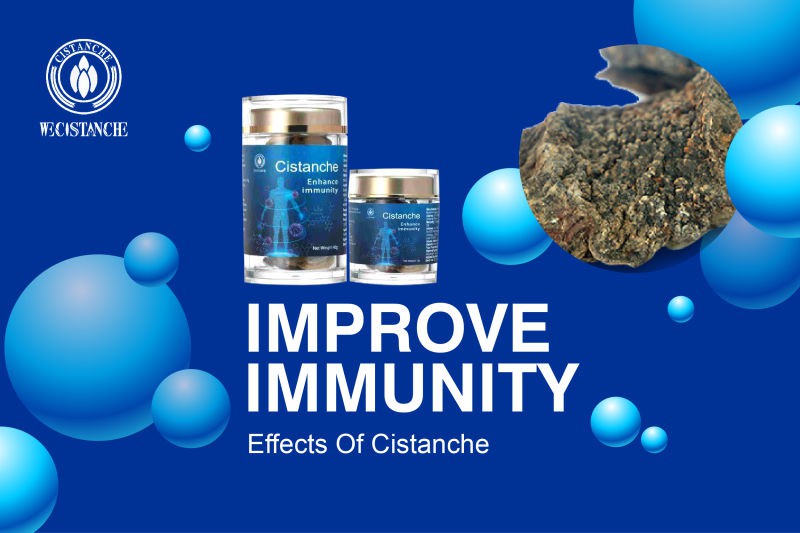
To sum up, Candida esophagitis is closely related to immunity. Improving immunity can effectively prevent and treat candida esophagitis and improve the health of patients. I hope readers can pay attention to immune health, strengthen exercise, and maintain an optimistic attitude. From this point of view, it is important to improve immunity. Cistanche can significantly improve immunity. Cistanche also has anti-virus and anti-cancer effects, which can strengthen the immune system’s ability to fight and improve the body’s immunity.
We present the case of an immunocompetent patient who was chronically prescribed multiple medications associated with Candida esophagitis but experienced infection only after the addition of oral delayed-release budesonide, which has not previously been associated with Candida esophagitis.
Categories:
Gastroenterology, Infectious Disease.
Keywords:
Infectious esophagitis, budesonide, immunocompetent adult, candida esophagitis, polypharmacy.
Introduction
Esophageal Candida colonization has been reported in up to 12% of healthy adults [1]. Numerous medications inhibit natural defense mechanisms against Candida esophagitis.
We present a case of an immunocompetent male who developed Candida esophagitis of the entire esophagus likely due to synergistic polypharmacy after the addition of oral delayed-release budesonide for the treatment of lymphocytic colitis.

Case Presentation
A 58-year-old male underwent esophagogastroduodenoscopy (EGD) for subacute odynophagia, dysphagia, and weight loss. His medical history included lymphocytic colitis, chronic gastroesophageal reflux disease, chronic obstructive pulmonary disease, asthma, and chronic neuropathy. Medications included budesonide, a proton pump inhibitor, fluticasone propionate, bevacizumab, and gabapentin. The laboratory evaluation was significant for complete eosinopenia, likely due to benralizumab.
A colonoscopy four months prior for diarrhea revealed lymphocytic colitis on random biopsies. Oral delayed-release budesonide 9 mg daily was subsequently prescribed for eight weeks followed by tapering which he completed two weeks before the initial EGD. Endoscopy showed diffuse white plaques in the entire esophagus (Figure 1A).
Esophageal brushings revealed acute esophagitis with fungal yeast and pseudo-hyphae concerning Candida esophagitis. Oral fluconazole 400 mg daily was prescribed for two weeks, which was extended by one week for persistent symptoms. A repeat EGD 12 weeks later demonstrated resolution of the white plaques and normal esophageal mucosa (Figure 1B). The biopsies were unremarkable.

Discussion
Our case illustrates how polypharmacy can induce Candida esophagitis in an immunocompetent host through the inhibition of host defense mechanisms. Salivation, esophageal motility, acidic pH, and innate immunity together protect Candida species throughout the esophagus. Proton pump inhibitors impair salivation and raise gastric pH.
While proton pump inhibitors have been recognized as associated with higher rates of enteric infections, healthy patients naturally experience decreased esophageal acid exposure time owing to appropriate lower esophageal sphincter tone, thereby limiting this association with protection against Candida esophagitis of the lower esophagus [2].
Gabapentin also decreases salivation, which impairs Candida clearance via aggregation potentiated by salivary immunoglobulin A. Saliva additionally contains candidal histatin 5 as well as antistatic calprotectin and lactoferrin proteins, which mediate the development of Candida infections [3]. Fluticasone propionate increases Candida esophagitis incidence by up to 37% in immunocompetent adults via local suppression of innate immunity [4]. Furthermore, fluticasone propionate and proton pump inhibitors synergistically increase the likelihood of developing Candida esophagitis [5].
Benralizumab depletes eosinophils through interleukin-5 receptor-mediated apoptosis, thereby interfering with the antifungal innate immunity provided by eosinophils via phagocytosis and extracellular DNA traps [6,7]. Systemic effects of oral delayed-release budesonide are reportedly limited due to a systemic bioavailability that approaches 12% in healthy patients and targeted ileal and colonic release owing to a pH-dependent coating that dissolves at pH > 5.5 and surrounding ethyl-cellulose granules [8].
Nevertheless, in the context of the patient’s chronic polypharmacy with other medications known to promote gastrointestinal Candida infections, our case suggests oral delayed-release budesonide may have additionally contributed to the development of Candida esophagitis via a synergistic mechanism given the temporal relation between its initiation and the onset of the patient’s infection.
Importantly, the patient's Candida esophagitis was amenable to standard-duration anti-fungal therapy per the Infectious Diseases Society of America's guidelines [9].
Conclusions
Candida esophagitis can occur in immunocompetent patients via synergistic inhibition of host defenses by polypharmacy. The addition of oral delayed release of budesonide may have contributed to infection through direct mediation of innate immunity.
Standard anti-fungal therapy was effective in treating this case of Candida esophagitis. Further observations are needed to confirm the additive risk of budesonide in immunocompetent patients prescribed other medications known to promote Candida esophagitis.

Additional Information
Disclosures
Human subjects: Consent was obtained or waived by all participants in this study. Conflicts of interest: In compliance with the ICMJE uniform disclosure form, all authors declare the following: Payment/services info: All authors have declared that no financial support was received from any organization for the submitted work. Financial relationships: All authors have declared that they have no financial relationships at present or within the previous three years with any organizations that might have an interest in the submitted work. Other relationships: All authors have declared that there are no other relationships or activities that could appear to have influenced the submitted work.
References
1. Andersen LI, Frederiksen HJ, Appleyard M: Prevalence of esophageal Candida colonization in a Danish population: special reference to esophageal symptoms, benign esophageal disorders, and pulmonary disease. J Infect Dis.
2. Katz PO, Dunbar KB, Schnoll-Sussman FH, Greer KB, Yadlapati R, Spechler SJ: ACG clinical guideline for the diagnosis and management of gastroesophageal reflux disease. Am J Gastroenterol.
3. Salvatori O, Puri S, Tati S, Edgerton M: Innate immunity and saliva in Candida albicans-mediated oral diseases. J Dent Res. 2016, 95:365-71. 10.1177/0022034515625222
4. Kanda N, Yasuda H, Takahashi T, et. al: Prevalence of esophageal candidiasis among patients treated with inhaled fluticasone propionate. Am J of Gastroenterol. 2003, 98:2146-2148.
5. Shah N, Cavanagh Y, Shulik O, Patel P, DeBari VA, Baddoura W: Proton pump inhibitors and corticosteroids as synergistic risk factors for Candida esophagitis. British J Med Med Res.
6. Figueiredo RT, Neves JS: Eosinophils in fungal diseases: an overview. J Leukoc Biol.
7. Brusselle GG, Koppelman GH: Biologic therapies for severe asthma. N Engl J Med.
8. Edsbäcker S, Andersson T: Pharmacokinetics of budesonide (Entocort EC) capsules for Crohn's disease. Clin Pharmacokinet. 2004, 43:803-21.
9. Pappas PG, Kauffman CA, Andes DR, et al.: Clinical practice guideline for the management of candidiasis: 2016 update by the Infectious Diseases Society of America. Clin Infect Dis. 2016, 62:e1-50.
10.1093/cid/civ933
For more information:1950477648nn@gmail.com