Why Do Most Diabetics Suffer From Constipation? How Should We Respond?
Oct 20, 2023
Constipation is more common among elderly patients with diabetes. Relevant studies show that the incidence rate of diabetes combined with constipation is as high as 67.5%. Constipation in elderly patients with diabetes will increase blood sugar and lead to many serious complications, such as fundus bleeding and cardiovascular and cerebrovascular diseases. Accidents, colon cancer, etc.

Causes of constipation in diabetics
01 Why do diabetic patients suffer from constipation?
1. Hyperglycemia: High blood sugar will cause increased excretion of water in the body and a decrease in intestinal water, causing the stool to become dry and hard; in addition, long-term high blood sugar will cause autonomic neuropathy in the gastrointestinal tract, resulting in weakened gastrointestinal peristalsis and impaired rectal and anal sphincter function. Obstruction, resulting in difficulty in defecation.
2. Unreasonable dietary results: Insufficient drinking water and insufficient dietary fiber intake will lead to dry and hard stools, affect intestinal peristalsis, and cause difficulty in defecation.
3. Lack of exercise: Some diabetic patients do not like to exercise, and some diabetic patients reduce exercise due to cardiovascular and cerebrovascular diseases, resulting in weakened gastrointestinal motility.
4. Intestinal flora imbalance: Studies have shown intestinal flora imbalance is common in patients with diabetes. The number of intestinal bifidobacteria is significantly reduced, while the number of harmful bacteria such as Enterococcus faecalis is increased. Overgrowth of harmful bacteria in the small intestine can Cause delayed intestinal transit.
5. Negative emotions: The incidence of anxiety and depression in diabetic patients is significantly increased. A large number of studies have shown that negative emotions can inhibit normal gastrointestinal secretion and peristalsis. In addition, anxiety and depression can aggravate the increase in blood sugar and aggravate the occurrence of chronic complications of diabetes.
What should diabetics do if they are constipated?
02 Diabetics are constipated, what should they do?
Control blood sugar: Monitor blood sugar to ensure that fasting blood sugar is less than 7mmol/L, postprandial blood sugar is less than 10mmol/L, and glycated hemoglobin is less than 7%. If blood sugar does not reach the standard, it is recommended to see an endocrinology clinic.

2. Eat a reasonable diet and supplement complex dietary fiber: Taking in more than 1500-2000ml of water daily can increase intestinal peristalsis, and dietary fiber combines with water to increase stool volume, soften stool, and reduce intestinal defecation time. It is recommended to consume 25-30g of dietary fiber every day, ensuring 500g of vegetables + 100-200g of low-sugar fruits + 100g of whole grain legumes + an appropriate amount of fungi and algae. Generally, you can easily consume 30g of dietary fiber. If you are unable to consume sufficient amounts and types of dietary fiber through diet, you can appropriately supplement complex dietary fiber.
Insufficient dietary fiber intake is one of the common causes of chronic constipation. Therefore, lifestyle adjustments focusing on increasing dietary fiber intake are regarded as basic measures to treat chronic constipation. Dietary fiber can promote gastrointestinal peristalsis, help reduce pressure in the colon, and greatly increase the number of beneficial bacteria in the intestine.
Therefore, sufficient dietary fiber should be supplemented every day (especially water-soluble dietary fiber, which is more easily absorbed by the colon). Beneficial flora are absorbed and utilized to regulate intestinal microecology, improve constipation, increase the thickness of the mucus layer of the intestinal wall, and make the intestines smoother; at the same time, short-chain fatty acids (SCFA; including acetic acid, propionic acid and butyric acid) are produced. ) and gas, further promoting intestinal peristalsis).

3. Moderate exercise: Moderate exercise not only helps lower blood sugar but also stimulates intestinal peristalsis and facilitates intestinal defecation. It is especially beneficial to the elderly who are bedridden for a long time or do little exercise. There is no limit to the way of exercise, you can choose walking, jogging, gymnastics, etc.
4. Training to defecate regularly and restore defecation reflex. It is best to try to defecate in the morning or within 2 hours after a meal. Pay attention and avoid playing with mobile phones and reading magazines while going to the toilet.
Natural Herbal Medicine For Relieving Constipation-Cistanche
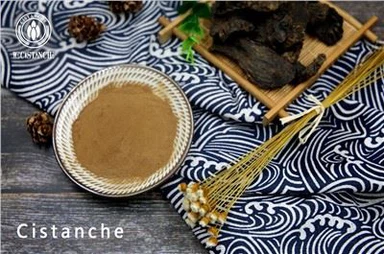
Cistanche is a genus of parasitic plants that belongs to the family Orobanchaceae. These plants are known for their medicinal properties and have been used in Traditional Chinese Medicine (TCM) for centuries. Cistanche species are predominantly found in arid and desert regions of China, Mongolia, and other parts of Central Asia. Cistanche plants are characterized by their fleshy, yellowish stems and are highly valued for their potential health benefits. In TCM, Cistanche is believed to have tonic properties and is commonly used to nourish the kidney, enhance vitality, and support sexual function. It is also used to address issues related to aging, fatigue, and overall well-being. While Cistanche has a long history of use in traditional medicine, scientific research on its efficacy and safety is ongoing and limited. However, it is known to contain various bioactive compounds such as phenylethanoid glycosides, iridoids, lignans, and polysaccharides, which may contribute to its medicinal effects.

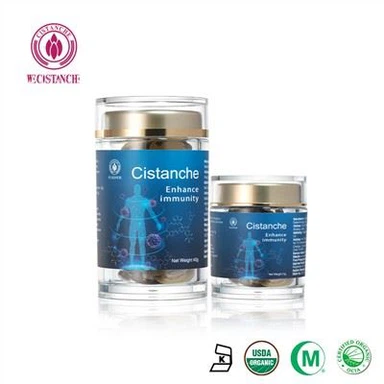
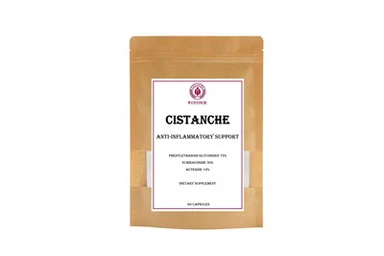
Wecistanche's cistanche powder, cistanche tablets, cistanche capsules, and other products are developed using desert cistanche as raw materials, all of which have a good effect on relieving constipation. The specific mechanism is as follows: Cistanche is believed to have potential benefits for relieving constipation based on its traditional use and certain compounds it contains. While scientific research specifically on Cistanche's effect on constipation is limited, it is thought to have multiple mechanisms that may contribute to its potential to relieve constipation. Laxative Effect: Cistanche has long been used in Traditional Chinese Medicine as a remedy for constipation. It is believed to have a mild laxative effect, which can help promote bowel movements and induce constipation. This effect may be attributed to various compounds found in Cistanche, such as phenylethanoid glycosides and polysaccharides. Moistening the Intestines: Based on traditional use, Cistanche is considered to have moisturizing properties, specifically targeting the Intestines. Promoting hydration and lubrication of the Intestines may help soften tools and facilitate easier passage, thereby relieving constipation. Anti-inflammatory Effect: Constipation can sometimes be associated with inflammation in the digestive tract. Cistanche contains certain compounds, including phenylethanoid glycosides and lignans, that are believed to have anti-inflammatory properties. By reducing inflammation in the intestines, it may help improve bowel movement regularity and relieve constipation.