Popular Science On Constipation: Constipation Examination: Defecography
Oct 20, 2023
Many people have experienced constipation, but most people do not pay attention to constipation. Only when they have reached the level of severe constipation will they realize the seriousness of the disease. When they go to the hospital, they will have the following questions:
1. Doctor, I often suffer from constipation. What is the cause?
2. What? Does constipation still require examination in the hospital?
3. Isn’t it okay to prescribe medicine directly?
4. What tests are needed for constipation?
5. If you often suffer from constipation, what check-ups are needed?

Click on home remedies for constipation
It can be said that every doctor who encounters patients with constipation is asked the most questions.
In clinical practice, constipation-related examinations mainly include digital rectal examination, X-ray barium meal examination, colonoscopy, defecography examination, anorectal pressure measurement, anal electromyography examination, etc. This popular science knowledge tells you, What is defecography?
What is defecography?
Defecography is an examination method that injects a contrast agent into the patient's rectum and conducts static and dynamic observation of the anorectal area of the patient's anus and rectum while "defecating". It can display organic lesions and functional abnormalities in the anorectal area. It is an important examination method for diagnosing outlet obstruction constipation. Defecography can display functional and organic lesions in the anus and rectum. It has important diagnostic significance for the etiology classification of chronic constipation and outlet obstructive constipation. It has important supplementary diagnostic value for digital anal examination and endoscopy.
Advantages of defecography
01. Non-invasive
The patient only needs to sit upright on the bucket and adjust the height to observe the changes in the rectal and anal canal morphology and mucosal images after sitting quietly, elevating the anus, forceful evacuation, and empty, to understand whether there are any changes in the rectum, anal canal, and other defecation exits during defecation. Functional and organic diseases.

02. Painless
Defecography is a painless examination for the patient.
03. Facilitates diagnosis of outlet obstructive constipation
Defecography technology can comprehensively obtain information on functional and organic lesions of the anorectum and is an important basis for diagnosing outlet obstructive constipation.
Who is suitable for defecography?
01 Indications for defecography
1. Those who have a history of varying degrees of difficulty in defecation and some blood in the stool.
2. Those with a long history of anal distension and abdominal discomfort.

02 Contraindications for defecography
1. Barium enema is contraindicated in children with inflammatory colon diseases.
2. Patients with acute colitis or diverticulitis, recent polypectomy, and colon perforation.
What preparations should be made before defecography?
1. Communicate with the doctor in detail to understand the patient’s medical history and determine whether the examination is necessary.
2. At 15:00 or 16:00 the day before the patient’s examination, soak 9 to 15 g of senna leaves in 200 mL of water and take it immediately to remove accumulated feces.
3. Fasting is required early in the morning on the day of the examination.
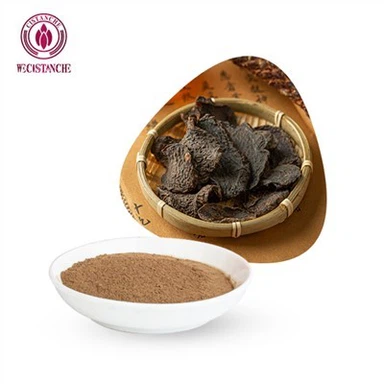
Natural Herbal Medicine For Relieving Constipation-Cistanche
Cistanche is a genus of parasitic plants that belongs to the family Orobanchaceae. These plants are known for their medicinal properties and have been used in Traditional Chinese Medicine (TCM) for centuries. Cistanche species are predominantly found in arid and desert regions of China, Mongolia, and other parts of Central Asia. Cistanche plants are characterized by their fleshy, yellowish stems and are highly valued for their potential health benefits. In TCM, Cistanche is believed to have tonic properties and is commonly used to nourish the kidney, enhance vitality, and support sexual function. It is also used to address issues related to aging, fatigue, and overall well-being. While Cistanche has a long history of use in traditional medicine, scientific research on its efficacy and safety is ongoing and limited. However, it is known to contain various bioactive compounds such as phenylethanoid glycosides, iridoids, lignans, and polysaccharides, which may contribute to its medicinal effects.

Wecistanche's cistanche powder, cistanche tablets, cistanche capsules, and other products are developed using desert cistanche as raw materials, all of which have a good effect on relieving constipation. The specific mechanism is as follows: Cistanche is believed to have potential benefits for relieving constipation based on its traditional use and certain compounds it contains. While scientific research specifically on Cistanche's effect on constipation is limited, it is thought to have multiple mechanisms that may contribute to its potential to relieve constipation. Laxative Effect: Cistanche has long been used in Traditional Chinese Medicine as a remedy for constipation. It is believed to have a mild laxative effect, which can help promote bowel movements and induce constipation. This effect may be attributed to various compounds found in Cistanche, such as phenylethanoid glycosides and polysaccharides. Moistening the Intestines: Based on traditional use, Cistanche is considered to have moisturizing properties, specifically targeting the Intestines. Promoting hydration and lubrication of the Intestines, may help soften tools and facilitate easier passage, thereby relieving constipation. Anti-inflammatory Effect: Constipation can sometimes be associated with inflammation in the digestive tract. Cistanche contains certain compounds, including phenylethanoid glycosides and lignans, that are believed to have anti-inflammatory properties. By reducing inflammation in the intestines, it may help improve bowel movement regularity and relieve constipation.