Why Hospital-Made Chinese Herbal Formulas Are The Key To Real, Effective Herbal Medicine
May 21, 2025
Many people don't know how to pick Chinese medicine that actually works. One powerful but overlooked source? Traditional Chinese herbal preparations developed in hospitals.
These formulas aren't just old remedies - they've been tested on real people, in real clinics, for years. And now, China is making big moves to turn these formulas into official new drugs. Famous examples like Weitai 999 and Compound Danshen Dripping Pills started as hospital-prepared formulas before becoming nationally approved medicines.

📜 New Laws Are Supporting Hospital-Based Formulas
In 2017, China passed the Traditional Chinese Medicine Law, which encourages the development of new drugs based on hospital formulas.
In 2023, the National Medical Products Administration (NMPA) issued new regulations that allow hospital formulas to skip or simplify certain drug approval steps if they have strong real-world usage data.
This includes exemptions from repeated testing on dosage form, extraction process, and packaging - as long as they match the original hospital product.
Key takeaway?
Real clinical use = real evidence. And that's what makes hospital formulas so valuable for drug development.

⚠️ But There Are Challenges. Here's What the Data Shows:
Despite the potential, very few hospital formulas get turned into approved drugs. For example, in Guangdong Province, only 0.47% of hospital herbal formulas under development were successfully commercialized in 2023.
1. Poor Commercial Readiness
Many formulas have too many ingredients, unsafe dosages, or use herbs that are already public, making it hard to get intellectual property rights.
Some formulas were created by doctors who've retired or left, causing ownership disputes and project delays.
2. Outdated or Inconvenient Dosage Forms
A national survey showed most hospital formulas were made as pills (16.41%), oral liquids (16.24%), or granules (15.27%).
Common issues: low drug loading, moisture sensitivity, microbial contamination, and inconsistency in doses.
Some forms like herbal plasters or pillows don't even exist in the current Chinese Pharmacopoeia, so mass production is difficult.

3. Lack of Research Data
Many formulas were approved decades ago under loose regulations, with no modern pharmaceutical studies.
No data on extraction process, quality control, or packaging materials.
4. Weak Clinical Evidence
Although widely used, many hospital formulas lack:
Clear disease targeting
Long-term safety tracking
Standardized patient follow-ups
Clinical data is often retrospective, making it unreliable.
Even "popular" formulas with high sales have little clinical research summary available.

🚧 1.2 Project Promotion Stage: Why Hospital-Based TCM Formulas Struggle to Reach the Market
Translating hospital-prepared Chinese herbal formulas into official, market-ready new drugs requires commercial partnerships - mainly with pharmaceutical manufacturers. But this phase often runs into serious roadblocks.
⚠️ 1.2.1 Mismatch Between What Manufacturers Want and What Hospitals Can Provide
Currently, most hospital TCM formulas are licensed or transferred to pharmaceutical companies, who then invest in production and research.
What companies need:
Mature pharmaceutical research
Minimal changes needed for industrial-scale production
Stable formulation and process
Robust real-world clinical data
Reduced need for:
Additional lab testing on manufacturing routes
Preclinical efficacy research
Full-scale clinical trials
The reality:
Older formulas often lack proper pharmaceutical documentation
Newer formulas haven't been used long enough to build strong clinical data
This gap between expectation and reality slows or blocks further development

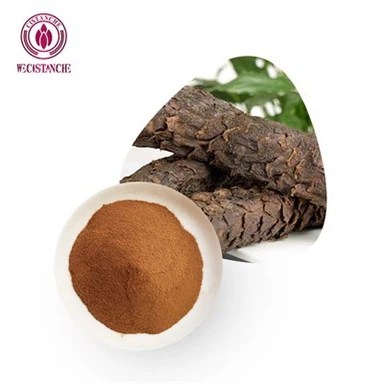
TCM Herbal Cistanche Supplement For Treating Kidney Qi Inficientcy with cFDA Qualification
Contact now get to know cistanche whosale price
📉 1.2.2 Difficulties in Project Evaluation by Manufacturers
To decide whether a formula is worth investing in, manufacturers need:
Detailed documentation: ingredients, formulation process, quality standards, clinical data
Reliable, traceable clinical data: real patients, real results
However, hospitals often hold back some of this information to:
Protect intellectual property
Avoid exposing raw clinical data
This creates an information asymmetry, making it hard for companies to conduct proper evaluations and leading to stalled negotiations.
🤝 1.2.3 Disagreements on Partnership Models
There are two key entry points where companies usually get involved:
Preclinical research phase
After receiving clinical trial approval
From the hospital's view:
They prefer companies to join early and share the risk
Early collaboration helps align research goals and commercial production plans
From the company's view:
Early-stage investment = high risk
If clinical trial results later show poor safety or effectiveness, the company could lose money
As a result, companies often demand contract clauses requiring hospitals to refund part of the investment if trials fail.
These disagreements delay or block many promising TCM products from reaching the market.
✅ Summary: What This Means for TCM Innovation
The gap between hospital research and industry needs remains a major barrier.
Without clear data, transparent collaboration, and mutually beneficial contracts, even the best formulas may never reach the patients who need them.
For successful commercialization, both sides must:
Align expectations early
Share risks and rewards fairly
Build trust through data and transparency