Why Is It Always You Who Gets Hit By The Fierce H1N1 Flu?
Feb 19, 2025
Why is it always you who gets hit by the fierce H1N1 flu?
Recently, the COVID-19 outbreak has been raging, with major hospitals overcrowded and pediatric clinics lining up in long lines. Fever clinics are crowded with patients seeking treatment, with coughing and crying sounds intertwined, creating a heart-wrenching scene. Many people cannot help but ask, 'Why am I so easily hit by the H1N1 flu?' Is it really because of a weakened immune system?
The hidden relationship between immunity and H1N1 influenza
In this battle against H1N1, immunity plays a crucial role. Immunity, in simple terms, is the body's defense mechanism. It is like a well-trained army, constantly guarding our body and resisting the invasion of various pathogens, including bacteria, viruses, mycoplasma, chlamydia, fungi, etc. Immunity mainly involves two parts: non-specific immunity and specific immunity. Nonspecific immunity is an innate immune ability that serves as our innate defense mechanism. Physical barriers such as skin and mucous membranes can block the invasion of pathogens; Macrophages, natural killer cells, and other immune cells are ready to attack invading pathogens at any time. Specific immunity is an acquired immune ability that mainly relies on T lymphocytes and B lymphocytes. It is like a "special force" in the military, targeting specific pathogens with precision. When we are infected with a certain virus or vaccinated, our body will develop specific immunity, and the next time we encounter the same pathogen, we can quickly respond and eliminate it.
Desert ginseng-Improve immunity
When the influenza A virus strikes, our immune system will quickly sound an alarm and activate defense mechanisms. Firstly, non-specific immunity will take the lead, macrophages will quickly engulf the virus-like brave warriors, and natural killer cells will launch attacks on virus-infected cells, attempting to control the situation before the virus proliferates in large numbers. Subsequently, specific immunity will also join the battle, and T lymphocytes will recognize virus-infected cells and directly kill them; B lymphocytes produce specific antibodies, which act like "smart missiles" that can accurately recognize and bind to viruses, rendering them inactive and ultimately cleared by the immune system.
However, when our immune system is weakened, it is like the combat effectiveness of the military being weakened, unable to effectively resist the invasion of the H1N1 virus. Medical research has shown that individuals with weakened immune systems, such as the elderly, children, pregnant women, and those with chronic diseases, have a much higher risk of contracting H1N1 influenza compared to those with normal immune systems. The immune system function of elderly people gradually declines, and the activity and quantity of immune cells also decrease, just like a military force with a large number of veterans, whose combat effectiveness is not as strong as before; Children's immune systems are not yet fully developed, like a newly formed army lacking combat experience; Pregnant women's immune system can also be affected to some extent due to changes in hormone levels in their bodies; However, people with chronic diseases, such as diabetes, malignant tumor, lymphoma, leukemia, or people who are using immunosuppressants, their immune system itself is suppressed by diseases or drugs, and they are more likely to be caught by the A/H1N1 virus.
In life, some of our bad habits can also quietly steal our immunity. Staying up late is like having soldiers in the army fight continuously without rest, affecting all bodily functions, including the immune system; Long-long-term unhealthy diet, such as excessive intake of sweet and greasy foods, or imbalanced diet, lacking nutrients such as protein, vitamins, and trace elements, is like providing inferior "food and forage" to the military, unable to meet the needs of the normal functioning of the immune system; Lack of exercise slows down the body's metabolism and reduces the activity of immune cells, just like how the military's combat effectiveness naturally decreases if they do not train for a long time; In addition, long-term exposure to negative emotions such as high stress, mental tension, anxiety, and depression can also hurt the immune system, as the nervous system is closely related to the endocrine and immune systems. Negative emotions can interfere with the normal function of the neuroendocrine system, thereby affecting the immune system. Everyone can compare these factors and self-check to see if their immunity is being threatened.
Cistanche deserticola: a desert treasure that enhances immunity?

chinese herb cistanche
After understanding the relationship between immunity and H1N1 influenza, I believe everyone is eager to find effective ways to enhance immunity. Among numerous tonics, Cistanche deserticola has received much attention in recent years and is regarded by many as a "secret weapon" to enhance immunity. So, what is the magic of Cistanche deserticola?
Cistanche deserticola, a mysterious plant that grows in the desert, is known as the "desert ginseng". It is the fleshy stem of Cistanche deserticola, a plant in the family Liliaceae, with dry and scaled leaves. It often parasitizes the roots of the desert plant Salix. The appearance of Cistanche deserticola is unique. Most of it grows underground, and the stems on the ground are fleshy and cylindrical. The lower part is thick and thick, and the upper part gradually becomes thinner. The whole body is covered with tile-shaped arranged fleshy scales and leaves, like wearing a strong armor, and it grows tenaciously in harsh desert environments. Its flowers are spike-shaped, and when they bloom, the light purple or pale yellow-white petals appear particularly delicate in the desert, adding a touch of vitality to the barren desert.
In traditional medicine, Cistanche deserticola is a rare medicinal herb. Traditional Chinese medicine believes that Cistanche deserticola has a sweet and salty taste, and a warm nature, and is beneficial to the kidneys and large intestine meridians. It has the effects of tonifying kidney yang, nourishing essence and blood, moisturizing the intestines, and promoting bowel movements. The "Shennong Bencao Jing" lists it as a top-grade product, stating that it is "mainly used for five labor and seven injuries, tonifying the middle, removing cold, heat, and pain from the stem, nourishing the five organs, strengthening yin, nourishing essence, and qi, having many children, treating women's ailments, and taking it for a long time to lighten the body. In traditional Chinese medicine theory, the kidney is the foundation of the innate constitution, and when the kidney yang is sufficient, the body is full of energy and has strong resistance. The efficacy of Cistanche deserticola in tonifying kidney yang and nourishing essence and blood can fundamentally nourish the body, enhance physical fitness, and thus help improve immunity. When the body's kidney yang is insufficient, it is easy to experience symptoms such as soreness and weakness in the waist and knees, fear of colds, and mental fatigue, and the immune system will also decrease accordingly. And by warming and tonifying kidney yang, Cistanche deserticola can stimulate the body's yang energy and improve its functions, just like injecting strong power into the body's "engine", allowing the immune system to function better.
With the development of modern science and technology, the efficacy of Cistanche deserticola has also been further studied and verified. Modern research has found that Cistanche deserticola contains various beneficial components for the human body, such as polysaccharides, phenylethanoid glycosides, lignans, alkaloids, etc. These ingredients work together to make Cistanche deserticola have a significant effect in enhancing immunity. The polysaccharides in Cistanche deserticola can promote the proliferation and differentiation of immune cells, and enhance the phagocytic ability of macrophages, just like providing better equipment and training for soldiers of the immune system, allowing them to more effectively resist the invasion of pathogens; Phenylethanolic glycosides can regulate the activity of immune cells, enhance the body's immune response, and enable the immune system to respond quickly and accurately to pathogens. Studies have shown that after gavage of Cistanche deserticola extract in mice, the lymphocyte proliferation ability of mice is significantly enhanced, and the content of immunoglobulin in serum is also increased, which fully demonstrates that Cistanche deserticola can effectively enhance the body's immunity.

chinese herb cistanche-Improve immunity
Scientific analysis of the immune enhancement effect of Cistanche deserticola
The excellent performance of Cistanche deserticola in enhancing immunity is closely related to its rich ingredients. Cistanche deserticola contains various amino acids, which are the basic units that makeup proteins. Proteins are important components of immune cells, antibodies, and other immune substances. For example, arginine can promote the proliferation and activity of T lymphocytes, and enhance the cellular immune function of the body; Lysine helps with antibody synthesis and enhances humoral immunity. Cistanche deserticola is also rich in various trace elements, such as iron, zinc, selenium, etc. Iron plays an important role in the normal metabolism and function of immune cells. Iron deficiency can lead to a decrease in the activity of immune cells, thereby weakening the immune system; Zinc is involved in the differentiation, maturation, and activation of immune cells, and is crucial for maintaining the normal function of the immune system; Selenium has a powerful antioxidant effect, which can protect immune cells from oxidative damage and enhance their activity. Polysaccharides in Cistanche deserticola are key components in enhancing immunity. Research has shown that polysaccharides from Cistanche deserticola can activate immune cells such as macrophages, T lymphocytes, and B lymphocytes, promote their proliferation and differentiation, enhance the phagocytic ability of macrophages, increase the killing activity of T lymphocytes, and promote the production of antibodies by B lymphocytes, thereby comprehensively improving the immune function of the body.
The mechanism by which Cistanche deserticola regulates the balance of the immune system is also very complex. It is like a precise 'regulator' that can adjust according to the body's immune status. When the body is invaded by pathogens and the immune system is at a low level, the active ingredients in Cistanche deserticola stimulate the activity of immune cells, promote their proliferation and differentiation, enhance the immune response, and enable the immune system to quickly and effectively resist the invasion of pathogens. When the body's immune system is too strong and there is an immune overreaction, such as an excessive inflammatory response, Cistanche deserticola can inhibit overly active immune cells, regulate cytokine secretion, alleviate inflammatory response, and avoid damage to the body's tissues. This bidirectional regulatory effect enables Cistanche deserticola to maintain the balance of the immune system, ensuring that the body can maintain a good immune state in different environments.
In addition to theoretical analysis, the immune-enhancing effect of Cistanche deserticola has also been fully confirmed in clinical and experimental settings. In a clinical study, 100 elderly individuals with weakened immune systems were selected and divided into two groups. One group received capsules made from Cistanche deserticola extract, while the other group received a placebo. After three months of observation, it was found that the group of elderly people taking Cistanche deserticola capsules had a significantly lower incidence of respiratory infections such as colds and flu compared to the group taking a placebo, and their physical and mental states also improved significantly. In animal experiments, researchers injected cyclophosphamide into mice to weaken their immunity and then administered Cistanche deserticola extract by gavage to these mice. The results showed that mice receiving Cistanche deserticola extract by gavage had a significant increase in the weight of their immune organs, spleen, and thymus, and a significant increase in the activity of immune cells. This indicates that Cistanche deserticola can effectively counteract the inhibitory effect of cyclophosphamide on the immune system and enhance the immunity of mice. Studies have also found through cell experiments that phenylethanoid glycosides in Cistanche deserticola can significantly promote lymphocyte proliferation and enhance immune activity. These clinical cases and experimental data provide strong evidence for the immune-boosting effect of Cistanche deserticola.
How to use Cistanche deserticola to fight against H1N1 influenza
After learning about the magical effect of Cistanche deserticola on boosting immunity, everyone is eager to know how to enhance their immunity and fight against H1N1 influenza by consuming Cistanche deserticola. Below is a detailed introduction to the consumption method, dosage, frequency, and pairing suggestions of Cistanche deserticola.

Desert ginseng-Improve immunity
Click here to view Cistanche Enhance Immunity products
【Ask for more】 Email:cindy.xue@wecistanche.com / Whats App: 0086 18599088692 / Wechat: 18599088692
The consumption method of Cistanche deserticola
Soaking wine: wash and dry Cistanche deserticola cut it into small sections, put it into a clean glass bottle, and add an appropriate amount of Baijiu. Generally, the ratio of Cistanche deserticola deserticola to Baijiu is about 1:10. Seal the bottle tightly, place it in a cool and dry place, soak for about 15-30 days, and wait for the color of the wine to darken before drinking. When brewing, it is better to choose pure grain Baijiu with a temperature of more than 50 degrees, to better dissolve the effective ingredients in Cistanche deserticola. When drinking, it is recommended to drink 10-20 milliliters in moderation every day, and excessive amounts should be avoided to prevent the adverse effects of alcohol on the body. It should be noted that individuals with alcohol allergies should not use this method.
Decoction: Take 10-15 grams of Cistanche deserticola, put it in a clay pot, add an appropriate amount of water, boil over high heat, then turn to low heat and simmer for 20-30 minutes. Take the juice and drink. It can be decocted 2-3 times repeatedly, and the juice from multiple decoctions can be mixed and consumed 2-3 times. When boiling, it is best to use a clay pot because it heats evenly and can better preserve the nutritional components of Cistanche deserticola.
Boil Congee: wash and cut the cistanche into small pieces, and cook Congee with rice or other grains. The usual dosage for Cistanche deserticola is around 10 grams, and for rice, it is 100 grams. First, wash the rice, put it into a pot, add some water, boil it over high heat, add cistanche, and turn the low heat to cook Congee until it is ripe. When cooking Congee, you can add appropriate rock sugar, red dates, etc. according to your taste to increase the taste and nutrition. This method of consumption is simple and easy to implement, suitable for most people, especially the elderly and children.
Dosage and frequency of consumption
The dosage and frequency of consuming Cistanche deserticola should be determined based on an individual's physical condition, age, and health status. Generally speaking, adults should consume 10-15 grams of Cistanche deserticola per day, which can be divided into 2-3 servings. For people with weak physical constitution and low immunity, such as the elderly, children, pregnant women, and those with chronic diseases, it is recommended to adjust the dosage appropriately under the guidance of a doctor. In terms of consumption frequency, it is recommended to consume 3-5 times a week. It is not advisable to consume in large quantities continuously to avoid discomfort symptoms such as overheating. During the process of consuming Cistanche deserticola, it is important to observe one's physical reactions. If discomfort occurs, one should immediately stop consuming it and seek medical advice.
Matching suggestions
Cistanche deserticola+goji berry: goji berry has the effects of nourishing the liver and kidneys, improving eyesight, etc. When combined with Cistanche deserticola, it can enhance the function of nourishing kidney yang, nourishing essence, and blood, and improve immunity. Put 10 grams each of Cistanche deserticola and wolfberry into a cup, brew with boiling water, and drink as a substitute for tea. This combination is suitable for people who stay up late for a long time, overuse their eyes, and have insufficient liver and kidney function.
Cistanche deserticola+Astragalus membranaceus: Astragalus membranaceus has the effects of tonifying qi stabilizing the surface, promoting diuresis, and reducing swelling. When combined with Cistanche deserticola, it can nourish kidney yang, benefit qi and blood, and further enhance immunity. Take 10 grams of Cistanche deserticola and 15 grams of Astragalus membranaceus, put them in a clay pot, add water and boil for 20-30 minutes, then take the juice and drink. This combination is suitable for people with insufficient qi and blood, easy fatigue, and poor resistance.
Cistanche deserticola+yam: Yam has the effects of strengthening the spleen and stomach, nourishing the kidneys and essence. When combined with Cistanche deserticola, it can not only nourish kidney yang but also strengthen the spleen and stomach, making it suitable for people with weak spleen and stomach and kidney deficiency. Boil 10g of Cistanche deserticola, 100g of Chinese yam, and 100g of rice together for Congee, which is soft and glutinous in taste and rich in nutrition.
A comprehensive strategy for prevention and response to H1N1 influenza
In the high incidence period of H1N1 influenza, in addition to using tonics such as Cistanche deserticola to enhance immunity, we also need to adopt a series of comprehensive prevention and response strategies to better protect our own and our family's health.
Lifestyle adjustment
The impact of lifestyle on immunity should not be underestimated. A balanced diet is the foundation for maintaining immunity, and we need to ensure sufficient daily intake of nutrients such as protein, vitamins, minerals, etc. Products such as lean meat, fish, eggs, and beans are rich in high-quality protein, which is an important raw material for body repair and immune cell generation; Fresh vegetables and fruits are rich in antioxidants such as vitamin C, vitamin E, and beta carotene, which can enhance the activity of immune cells and resist the damage of free radicals to the body. For example, oranges, strawberries, kiwis, etc. are rich in vitamin C, while broccoli, spinach, carrots, etc. are rich in various vitamins and minerals. At the same time, it is necessary to reduce the intake of high-sugar, high-fat, and high-salt foods, which may increase the body's metabolic burden and affect the normal function of the immune system.
Moderate exercise is also key to enhancing immunity. Engaging in at least 150 minutes of moderate-intensity aerobic exercise per week, such as brisk walking, jogging, swimming, cycling, etc., can promote blood circulation, enhance cardiovascular function, enable immune cells to reach various parts of the body more quickly, and promptly eliminate pathogens. Exercise can also regulate the endocrine system, reduce stress, improve the body's ability to withstand pressure, and thus help enhance immunity. However, it is important to pay attention to the intensity and frequency of exercise, avoid excessive fatigue, and promptly replenish water and nutrition after exercise to allow the body to fully recover.
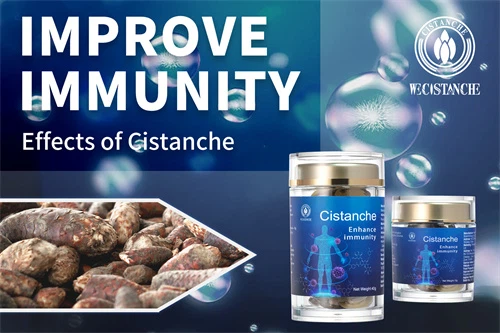
cistanche plant-increasing immune system
Adequate sleep is the 'refueling station' for the immune system. Ensuring 7-8 hours of high-quality sleep every night can provide sufficient rest and repair for various organs in the body, promoting the normal development and function of the immune system. During sleep, the body secretes substances such as growth hormone, which aid in the proliferation and differentiation of immune cells, enhancing the body's immunity. Long-term staying up late can disrupt the biological clock, affect the normal rhythm of the immune system, lead to weakened immunity, and increase the risk of contracting diseases such as H1N1 influenza. So, we need to develop good sleep habits, try to go to bed and wake up at the same time every day, create a quiet and comfortable sleeping environment, and avoid using electronic devices before bedtime to prevent blue light from interfering with sleep.
Daily protective measures
Daily protective measures are the first line of defense against H1N1 influenza. Washing hands frequently is one of the most basic and important protective measures. Our hands often come into contact with various objects, which can easily be infected with viruses. Washing hands can effectively remove viruses from our hands and reduce the chance of infection. Before and after meals, after touching public objects, coughing or sneezing, use soap or hand sanitizer and follow the "seven-step washing method" to rub your hands with flowing water for at least 20 seconds, ensuring that the palms, backs of your hands, finger crevices, nail crevices, and other areas are thoroughly cleaned.
Wearing masks is also an effective way to prevent the spread of H1N1 influenza. During the peak season of influenza, especially in densely populated areas such as shopping malls, supermarkets, train stations, hospitals, etc., wearing masks can prevent droplet transmission and reduce the risk of infection. Choose disposable medical masks or N95 masks, and when wearing them, be sure to cover the mouth and nose completely, press the nose clip tightly, and ensure that the mask fits tightly to the face. At the same time, it is important to replace the mask in a timely manner, usually every 4-6 hours. If the mask is contaminated or damp, it should be replaced immediately.
Maintaining social distancing is equally important. H1N1 influenza is mainly transmitted through droplets, and maintaining a social distance of at least 1 meter from others can reduce the chances of droplet transmission. In public places, try to avoid close contact with others, maintain a safe distance when queuing, and avoid crowding.
Indoor ventilation cannot be ignored either. Regularly opening windows for ventilation every day to maintain fresh indoor air can reduce the concentration of indoor viruses and lower the risk of infection. Generally, ventilate 2-3 times a day for about 30 minutes each time. If the weather is cold or humid, the ventilation time can be shortened appropriately, but the ventilation frequency should be ensured. When ventilating, you can open a gap in the window to allow air to circulate slowly, avoiding low indoor temperature or high humidity.
Response measures after infection
If unfortunately infected with H1N1 influenza, do not panic and take timely and correct measures to effectively alleviate symptoms and promote recovery. Once symptoms of H1N1 influenza such as fever, cough, headache, fatigue, and muscle soreness occur, one should immediately seek medical attention and undergo relevant tests, such as blood routine and influenza virus nucleic acid testing, to confirm the diagnosis. During the medical process, it is important to wear a mask to avoid infecting others.
After being diagnosed with H1N1 influenza, it is necessary to strictly follow medical advice for treatment. At present, antiviral drugs such as oseltamivir and zanamivir are mainly used to treat H1N1 influenza. These drugs can inhibit the replication of the influenza virus, alleviate symptoms, and shorten the course of the disease. It is generally recommended to start medication within 48 hours after onset for optimal results. At the same time, for symptoms such as fever and cough, doctors will provide corresponding symptomatic treatment drugs according to the condition, such as antipyretics, cough suppressants, etc. Patients should take medication on time and in the prescribed amount, and should not increase or decrease the dosage or stop taking medication on their own to avoid affecting the treatment effect.
During the treatment period, patients should cooperate with rest and dietary adjustments. Adequate rest can help the body concentrate on fighting the virus and promote recovery. Patients should try to rest in bed as much as possible, and avoid vigorous exercise and overwork. In terms of diet, it is necessary to ensure balanced nutrition, eat more light and digestible food, such as rice porridge, noodles, vegetable soup, etc., and avoid eating spicy, greasy, stimulating food, so as not to increase the burden on the stomach and intestines. At the same time, it is important to drink plenty of water and consume at least 1500-2000 milliliters of water per day to supplement the water loss caused by fever and sweating, promote metabolism, and help the body eliminate toxins. In addition, patients should closely monitor changes in their condition. If the condition worsens, such as persistent high fever, difficulty breathing, unclear consciousness, etc., they should seek medical attention immediately to avoid delaying the condition.
cistanche supplement near me
The rampant spread of H1N1 influenza has made us deeply aware of the importance of immunity, and as a traditional tonic, Cistanche deserticola has unique effects in enhancing immunity. By scientifically and reasonably consuming Cistanche deserticola, combined with a healthy lifestyle and comprehensive preventive measures, we can enhance our immunity and effectively prevent the invasion of H1N1 influenza. Even if unfortunately infected with H1N1, as long as the correct measures are taken promptly, recovery can be smooth. I hope everyone can pay attention to their health, take active action, fight against H1N1 influenza together, and have a healthy and safe season.
Escort health and stay away from the threat of H1N1 influenza
The outbreak of H1N1 influenza has made us truly realize the importance of health. Immunity, as the "protective shield" of our body, plays a key role in resisting diseases such as H1N1 influenza. Low immunity does indeed increase the risk of contracting H1N1 influenza, and our daily habits have a profound impact on immunity.
Cistanche deserticola, a treasure from the desert, provides us with a natural choice to enhance our immunity with its unique ingredients and benefits. Both traditional medical records and modern scientific research have fully demonstrated the outstanding performance of Cistanche deserticola in tonifying kidney yang, nourishing essence and blood, and regulating immune system balance. We can give full play to the efficacy of Cistanche deserticola and inject strong immunity into the body through reasonable eating methods, such as soaking wine, frying soup, cooking Congee, etc.
However, enhancing immunity and preventing H1N1 influenza are not achieved overnight, nor can they rely solely on Cistanche deserticola. We also need to start from various aspects of life and cultivate a healthy lifestyle. A balanced diet provides the body with sufficient nutrition; Moderate exercise stimulates the vitality of the body; Adequate sleep to 'recharge' the immune system; Take daily protective measures, such as washing hands frequently, wearing masks, maintaining social distancing, indoor ventilation, etc., to build a strong defense line against H1N1 influenza. Even if unfortunately infected with H1N1 influenza, do not panic, seek medical attention promptly, follow medical advice, actively cooperate with treatment, and pay attention to rest and dietary adjustments. Your body can also recover as soon as possible.